---
title: "Mikhail Mil: biography and aviation achievements — OnlyPlanes"
description: "Mikhail Mil: He founded the design bureau of Mi helicopters. Planes, events and biographical facts."
canonical_url: "https://onlyplanes.ru/en/people-in-aviation/mikhail-mil"
locale: en
meta:
keywords: "Mikhail Mil, Mikhail Mil biography, Mikhail Mil achievements, Mikhail Mil, Designers and engineers, people in aviation, GM-1 / Mi-1, Mi-4, Mi-6, Mi-8, B-12, Creation of bureau in 1947, First flight of GM-1 in 1948, Development of turbine helicopters in 1950-1960-ies"
"og:description": "Mikhail Mil: He founded the design bureau of Mi helicopters. Planes, events and biographical facts."
"og:image": "https://onlyplanes.ru/images/aviation-people/mikhail-mil.webp"
"og:image:alt": "Mikhail Mil — archive photograph."
"og:title": "Mikhail Mil: biography and aviation achievements — OnlyPlanes"
---
> Index of every page on this site: [llms.txt](https://onlyplanes.ru/llms.txt)
Designers and engineers · USSR
# Mikhail Mil — biography and achievementsMikhail Mil — biography and achievements
Mikhail Leontyevich Mil (1909–1970) was a Soviet scientist and helicopter designer who founded the Mi design school. He connected rotor aerodynamic research with production aircraft for passengers and cargo. His team progressed from the small Mi-1 to the Mi-4, heavy Mi-6 and versatile Mi-8. He helped turn helicopters from experiments into practical tools where airfield networks were inadequate.
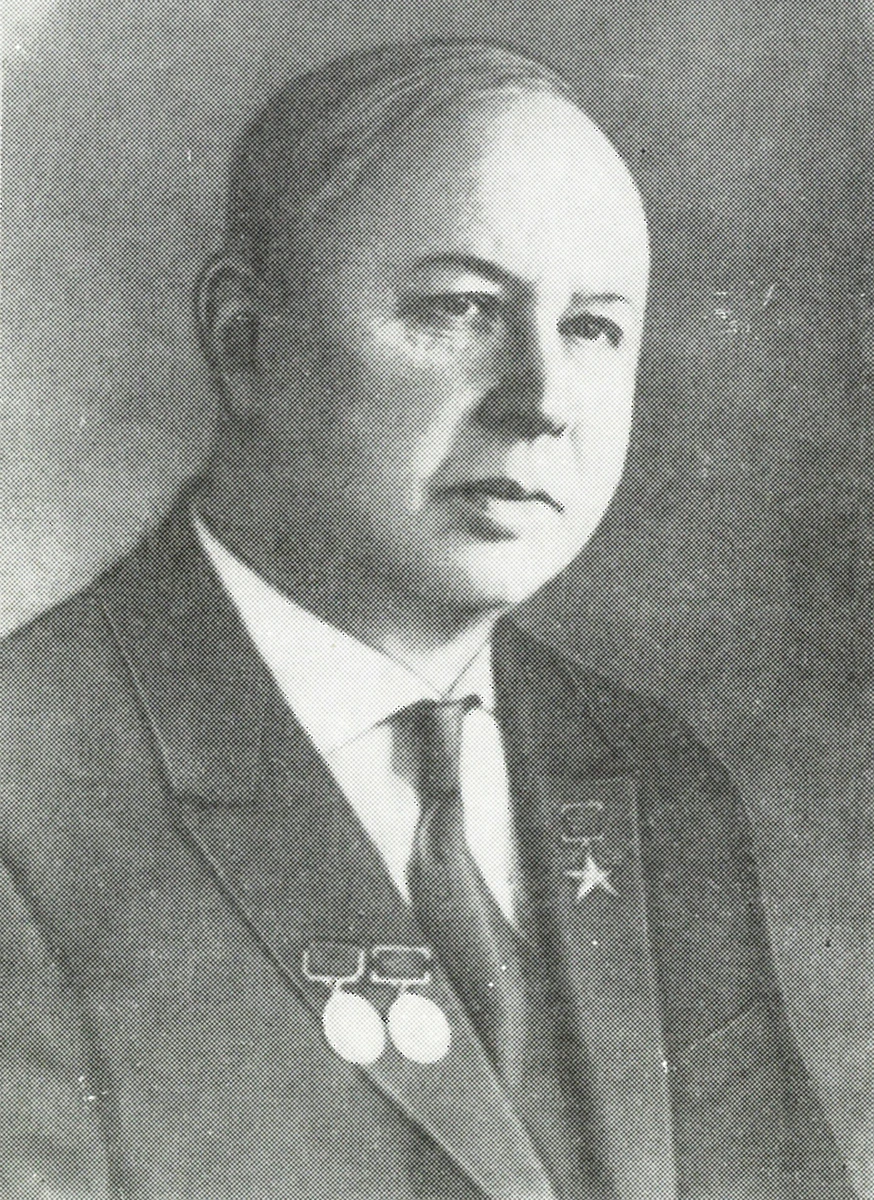
*Mikhail Mil — archive photograph.*
## Life and work in aviation
Mikhail Leontyevich Mil (1909–1970) was a Soviet scientist and helicopter designer who founded the Mi design school. He connected rotor aerodynamic research with production aircraft for passengers and cargo. His team progressed from the small Mi-1 to the Mi-4, heavy Mi-6 and versatile Mi-8. He helped turn helicopters from experiments into practical tools where airfield networks were inadequate.
## Scientific work with rotorcraft
Mil dealt with issues of stability, controllability and aerodynamics in the TsAGI environment. The helicopter required a separate understanding of the rotor: the blades move in a circle, experience varying loads and interact with the air flow in different ways on different modes. Theoretical and experimental work helped to choose the design, but the final test took place on a real apparatus. Therefore, the scientific part of his career is directly related to further serial projects.
## Mi-1 and its own bureau
The Mil Design Bureau was established in 1947. The experimental GM-1, the future Mi-1, first flew in 1948 and became the basis of the production car. It was an important transition from a research program to regular manufacturing and operation. For a small helicopter, a suitable power plant, reliable control and maintenance were needed. His successful work opened up the possibility of further increasing the size and range of tasks.
## Mi-4, Mi-6 and Mi-8
The school's development included the Mi-4 and Mi-6 transport, followed by the Mi-8 turbine. The increase in cargo capacity was not a simple replacement for a more powerful engine: the propeller, transmission, hull and crew working conditions were changed. Mi-8 has become widely used in passenger and freight traffic and special works. When evaluating this family, it is necessary to take into account the numerous options created both during the life of Mile and his successors.
## Experienced B-12 and subsequent history
The B-12 used a transverse two-rotor pattern and demonstrated an exceptionally large payload, but did not become a serial helicopter. Mi-26 appeared after the death of Mile, so it can not be included in the list of personally completed cars. The heritage of the designer lies in the school, scientific methods and specific projects. It continues to work in new generations of devices, without blurring the line between the contribution of the founder and the results of subsequent teams.
## The rotor and helicopter scheme
The helicopter receives lift from a rotating rotor. The blade works in the air stream, but its conditions change as the machine rotates and moves. The designer needs to coordinate aerodynamics with strength, vibrations and control mechanisms. The ability to hang is an important feature, but it does not remove the limitations of mass and power. In practice, the payload depends on the flight conditions and the capabilities of a specific power plant.
A single-rotor circuitry typically uses a tail rotor to compensate for reactive moment and directional control. In the coaxial scheme, the two rotors rotate in opposite directions, solving the compensation problem differently. The choice of scheme is related to the purpose of the machine, layout and maintenance. It does not allow you to declare any helicopter of one type better than another. For specific work, the dimensions, management, cargo and available operating conditions are important.
The tilting machine changes the installation of the blades, allowing you to control the direction and magnitude of the resulting force of the screw. The history of this mechanism is a separate part of the development of the helicopter. The practical machine also requires an engine, transmission and a reliable carrier unit. The invention of one important principle is not equal to the creation of the entire serial apparatus. Between the scheme on the drawing and regular operation lie calculations, manufacture and long-term ground and flight tests.
The helicopter is used where the possibility of vertical start, hover and work from a small site is valuable. In this case, the site must meet the requirements of a particular machine; the free plot of land does not become suitable automatically. Transportation, rescue tasks and external suspension present different conditions. The designer’s biography helps to understand the origin of the technical direction, and further models show how the team adapted it to new engines, loads and operational tasks.
## Major achievements
- He founded the design bureau of helicopters "Mi"
- He led the development of Mi-1, Mi-4, Mi-6 and Mi-8
- Developed scientific foundations of helicopter stability and control
## Aircraft and flying machines
- GM-1 / Mi-1
- Mi-4
- Mi-6
- Mi-8
- B-12
## Organisations and events
TsAGI , OKB Mile
- Establishment of the Bureau in 1947
- The first flight of GM-1 in 1948
- Development of turbine helicopters in the 1950s-1960s
## Questions about this biography
Why is Mikhail Mil included in the history of aviation?
He founded the design bureau of Mi helicopters. He led the development of Mi-1, Mi-4, Mi-6 and Mi-8. He developed the scientific foundations of stability and helicopter control.
With what field of aviation is this biography connected?
Mikhail Leontyevich Mil (1909–1970) - Soviet scientist and helicopter designer, founder of the school of machines "Mi".
What aircraft are involved in this work?
Related to the biography: GM-1 / Mi-1, Mi-4, Mi-6, Mi-8, B-12. Their role and period are described in the main sections.
What events help to understand the professional path?
Major historical episodes: Creation of the bureau in 1947; the first flight of the GM-1 in 1948; Development of turbine helicopters in the 1950s-1960s.
What organizations are mentioned in the biography?
The professional path is connected with organizations and communities: TsAGI, OKB Mile.
Mi-26 flew during the life of Mikhail Mil?
Oh, no. Mil died in 1970, and the Mi-26 first flew in 1977. This is the next generation of design team.
What is the technical context of this story?
The helicopter receives lift from a rotating rotor. The blade works in the air stream, but its conditions change as the machine rotates and moves. The designer needs to coordinate aerodynamics with strength, vibrations and control mechanisms. The ability to hang is an important feature, but it does not remove the limitations of mass and power. In practice, the payload depends on the flight conditions and the capabilities of a specific power plant.
## Keep reading
[Igor Sikorsky](https://onlyplanes.ru/en/people-in-aviation/igor-sikorsky)
[Nikolai Kamov](https://onlyplanes.ru/en/people-in-aviation/nikolai-kamov)
[Aviation calendar — events and historical dates](https://onlyplanes.ru/en/aviation-calendar)
```json
{"@context":"https://schema.org","@graph":[{"@type":"Person","@id":"https://onlyplanes.ru/en/people-in-aviation/mikhail-mil#person","name":"Mikhail Mil","alternateName":"Mikhail Mil","description":"Mikhail Leontyevich Mil (1909–1970) was a Soviet scientist and helicopter designer who founded the Mi design school. He connected rotor aerodynamic research with production aircraft for passengers and cargo. His team progressed from the small Mi-1 to the Mi-4, heavy Mi-6 and versatile Mi-8. He helped turn helicopters from experiments into practical tools where airfield networks were inadequate.","image":"https://onlyplanes.ru/images/aviation-people/mikhail-mil.webp","url":"https://onlyplanes.ru/en/people-in-aviation/mikhail-mil","hasOccupation":{"@type":"Occupation","name":"Designers and engineers"}},{"@type":"FAQPage","mainEntity":[{"@type":"Question","name":"Why is Mikhail Mil included in the history of aviation?","acceptedAnswer":{"@type":"Answer","text":"He founded the design bureau of Mi helicopters. He led the development of Mi-1, Mi-4, Mi-6 and Mi-8. He developed the scientific foundations of stability and helicopter control."}},{"@type":"Question","name":"With what field of aviation is this biography connected?","acceptedAnswer":{"@type":"Answer","text":"Mikhail Leontyevich Mil (1909–1970) - Soviet scientist and helicopter designer, founder of the school of machines \"Mi\"."}},{"@type":"Question","name":"What aircraft are involved in this work?","acceptedAnswer":{"@type":"Answer","text":"Related to the biography: GM-1 / Mi-1, Mi-4, Mi-6, Mi-8, B-12. Their role and period are described in the main sections."}},{"@type":"Question","name":"What events help to understand the professional path?","acceptedAnswer":{"@type":"Answer","text":"Major historical episodes: Creation of the bureau in 1947; the first flight of the GM-1 in 1948; Development of turbine helicopters in the 1950s-1960s."}},{"@type":"Question","name":"What organizations are mentioned in the biography?","acceptedAnswer":{"@type":"Answer","text":"The professional path is connected with organizations and communities: TsAGI, OKB Mile."}},{"@type":"Question","name":"Mi-26 flew during the life of Mikhail Mil?","acceptedAnswer":{"@type":"Answer","text":"Oh, no. Mil died in 1970, and the Mi-26 first flew in 1977. This is the next generation of design team."}},{"@type":"Question","name":"What is the technical context of this story?","acceptedAnswer":{"@type":"Answer","text":"The helicopter receives lift from a rotating rotor. The blade works in the air stream, but its conditions change as the machine rotates and moves. The designer needs to coordinate aerodynamics with strength, vibrations and control mechanisms. The ability to hang is an important feature, but it does not remove the limitations of mass and power. In practice, the payload depends on the flight conditions and the capabilities of a specific power plant."}}]}]}
```
```json
{"@context":"https://schema.org","@graph":[{"@id":"https://onlyplanes.ru/en#website","@type":"WebSite","description":"News, stories and rare images from the world of aviation","inLanguage":"en-GB","name":"OnlyPlanes","url":"https://onlyplanes.ru/en","publisher":{"@id":"https://onlyplanes.ru/en#identity"},"translationOfWork":{"@id":"https://onlyplanes.ru/en#website"}},{"@id":"https://onlyplanes.ru/en/people-in-aviation/mikhail-mil#webpage","@type":"WebPage","description":"Mikhail Mil: He founded the design bureau of Mi helicopters. Planes, events and biographical facts.","name":"Mikhail Mil: biography and aviation achievements","url":"https://onlyplanes.ru/en/people-in-aviation/mikhail-mil","isPartOf":{"@id":"https://onlyplanes.ru/en#website"},"potentialAction":[{"@type":"ReadAction","target":["https://onlyplanes.ru/people-in-aviation/mikhail-mil"]}],"primaryImageOfPage":{"@id":"https://onlyplanes.ru/en#logo"}},{"@id":"https://onlyplanes.ru/en#identity","@type":"Organization","name":"OnlyPlanes","url":"https://onlyplanes.ru/en","logo":{"@id":"https://onlyplanes.ru/en#logo"},"sameAs":["https://t.me/legkoenebo"]},{"@id":"https://onlyplanes.ru/en#logo","@type":"ImageObject","caption":"OnlyPlanes","contentUrl":"https://onlyplanes.ru/search-logo.png","inLanguage":"en-GB","url":"https://onlyplanes.ru/search-logo.png"}]}
```
## Sitemap
See the full [sitemap](https://onlyplanes.ru/sitemap.md) for all pages.