
Aircraft
Private jet catering: from planning the menu to serving on board
How to coordinate the menu with galley equipment, flight times and passenger seating. What to check before ordering food on a private plane.
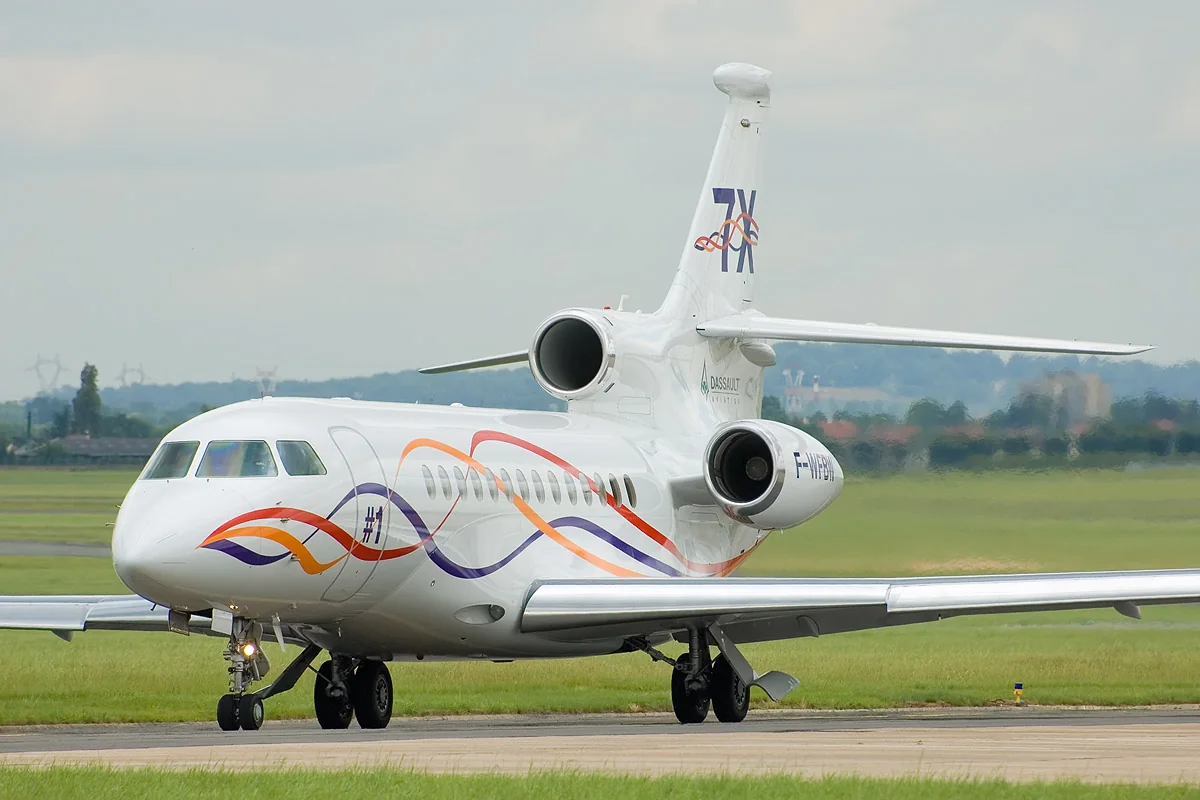
A beautifully set table on a business jet is the last step in a long chain. Before this, you need to agree on the menu, prepare the dishes, package them, deliver them to the airport, place them on the plane and maintain suitable conditions until serving. Therefore, food on a private flight is determined not only by the taste of the passenger. Equally important are the specific aircraft, the duration of the trip and service options at the airports on the route.
Custom ordering does provide more flexibility than the pre-set menu of a regular flight. But flexibility doesn't mean that every ship has a full restaurant galley or can get any meal you want in a few minutes. A good result begins with agreeing on real conditions. Let’s look at what is hidden behind the short line “power on” and what details should be clarified before departure.
What is an onboard galley
An aircraft’s kitchen area is known as the galley. It can include storage, work surfaces and equipment for preparing food and drinks. Its capabilities depend on the size and configuration of the aircraft. The presence of a galley alone does not establish everything that can be prepared or served there.
The size of the cabin affects not only the number of devices, but also the convenience of working next to them. In some places there is enough space for one person to serve several dishes sequentially, but in others the passage and surfaces are significantly limited. Therefore, a photograph of a large long-haul jet should not create the expectation that the same service is possible in a light aircraft with a small cabin.
Why is the menu coordinated with a specific aircraft?
Even aircraft of the same model can have different interiors and equipment. A published description of one Falcon 8X, for example, lists a microwave, a high-temperature oven and a coffee machine. Another aircraft may have a different installation. A cabin refit can also alter the galley, so the family name is no substitute for information about the aircraft actually assigned to the flight.
The practical question is simple: what can be stored, reheated and served on this aircraft? The answer helps you choose a menu that will maintain quality. If the aircraft is changed before a flight, important nutritional conditions must be re-checked. Similar range and capacity do not guarantee equal oven size, refrigerated food storage, or flight attendant comfort.
What is prepared on the ground
Much of the work is done before the food is delivered to the plane. Aviation catering must consider subsequent storage, transportation and presentation, not just the moment the food leaves the galley. Therefore, the usual restaurant logic of “cooked and ate immediately” is not always suitable. Between cooking and lunch, a passenger may find himself traveling, waiting for a flight, and on a long flight leg.
The menu is thought out together with the packaging and method of further processing. It is convenient to divide one dish into portions in advance, while the other is best assembled immediately before serving. Texture, sauces, container size and compatibility with existing equipment are important. Behind the same name of a dish there may be different preparation options, and not each of them copes equally well with aviation logistics.
How does food get to the airport?
After cooking, a separate part of the process begins: delivery, transfer and loading. It involves the supplier, ground handlers and crew. It is necessary to agree on the time, the number of packages and where the order will be placed before being transferred on board. A mistake at this stage can ruin even a carefully crafted menu: good cooking does not compensate for inappropriate storage after delivery.
A flight delay also changes the original plan. An order intended for a specific delivery time may require a review of storage conditions or replacement. The passenger usually does not need to manage the entire chain himself. It is more useful to have one responsible coordinator at the operator and communicate changes in a timely manner so that participants in the process work with the same information about the departure.
Storage temperature is more important than beautiful packaging
Food products have different storage and handling requirements. For perishable food items, continuity of suitable conditions on the ground and on board is important. Having an attractive box or expensive ingredients says nothing about how the order was transported or how long it waited to be served. Therefore, food control begins long before table setting.
There are a variety of storage options on aircraft, and not every cabinet is a refrigerator. The capabilities of a particular galley area must be taken into account in advance, especially on a long route. The universal promise “food will be on board all day” without understanding the equipment and the organization of the process is not very informative. It is safer to agree on a realistic set of dishes and order of service with those who are responsible for catering on the flight.
Individual restrictions require precise wording
Menu requests may be related to taste, cultural habits, or the need to exclude certain ingredients. It is important not to mix these situations. The phrase “I don’t like nuts” and an allergy message convey different meanings to the supplier. A significant limitation should be stated specifically and communicated to the operator in advance so that he can confirm the capabilities of the selected cooking and serving chain.
The individual menu itself does not guarantee the absence of cross-contact with ingredients. Such a question requires separate confirmation from the supplier and consideration of the terms of service. If a certain requirement cannot be met reliably, it is better to find out before the flight. The general formulation “everything will be of premium quality” does not replace a specific answer about the composition and organization of preparation.
Who serves the food
The presence of galley equipment and the presence of a separate employee to service the cabin are different conditions. The composition of the crew and the organization of the service depend on the aircraft and the agreed flight. Therefore, it is worth checking in advance whether a flight attendant is provided and what format of presentation is possible. You cannot automatically expect full catering service just because the aircraft is used for private transportation.
Pilots are responsible first and foremost for operating the aircraft. Meal planning should not assume they can take time away from those duties to lay out elaborate table settings. A larger aircraft with suitable cabin staff can offer more involved service. On a small jet without a flight attendant, a simple format may be more practical and better suited to the operation.
Flight time and lunch time do not match
The flight includes phases when service is limited or has to be delayed. Taxiing, takeoffs, landings and adverse conditions can reduce the time available for smooth delivery. Therefore, a short flight is not always suitable for several consecutive meals, even if they physically fit on board. The menu should take into account the working rhythm of the trip, and not just the duration from departure to arrival.
On a long route it is useful to agree whether you need one main meal or several small ones. Some people prefer to eat shortly after takeoff and then sleep; another passenger is planning a meeting at the table. Such information helps distribute products and services. At the same time, the agreed order remains a plan: the crew can change it according to flight conditions.
Table, seats and available space
The cabin capacity is not equal to the number of people who can comfortably sit at one dining table at the same time. Some layouts provide a separate group of seats with a table, while others use individual folding surfaces. For a business lunch or a family trip, this difference may be more important than the decorative trim and the name of the aircraft model.
It’s worth looking at the cabin layout and checking the seating arrangements at the time of serving. If passengers must take turns eating or part of the group is seated separately, it is better to know this in advance. Serving also requires space for utensils and employee movement around the cabin. The actual level of convenience is determined by the combination of layout, number of people and format of service, and not just by a striking photograph of the service.
What to check before making your final order
A good match includes the specific aircraft, number of passengers, service times, important restrictions, equipment and service composition. You should also understand which dishes and drinks are included in the offer and which ones must be ordered separately. Instead of a general wish for “something tasty,” it is useful to describe the format: a light breakfast, a cold lunch, a hot dish, or several small serves along the route.
If there are several areas on a trip, meals are planned taking into account each of them, and not as one large supply without storage conditions. The final result depends on the coordination of the galley, delivery, ground handling and crew. This is what makes onboard dining convenient: the passenger gets the right food at the right time, and the aircraft's capabilities match what was promised before departure.