
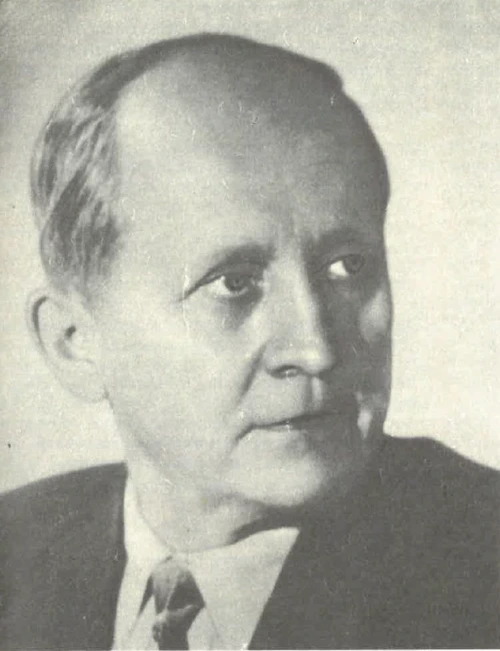
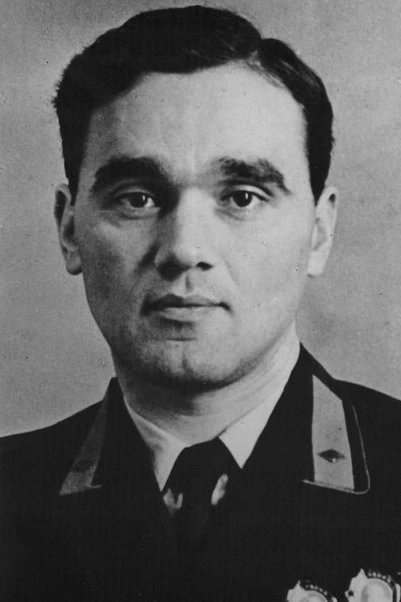
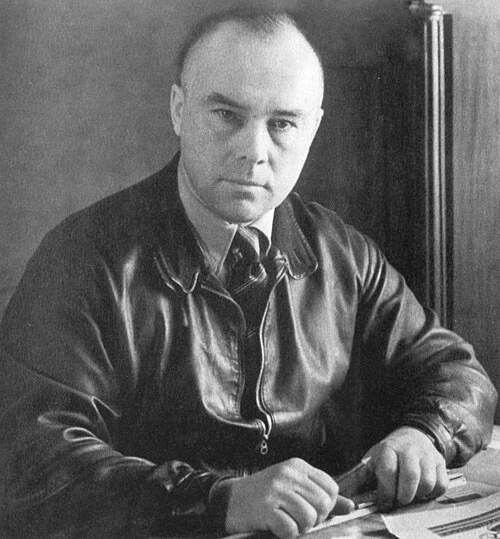
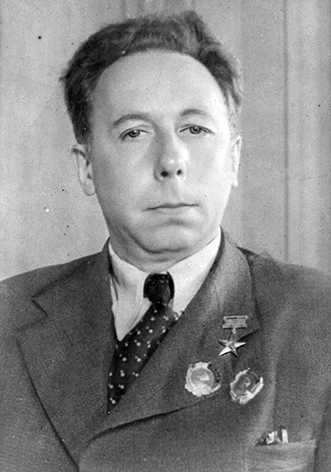

How people changed aviation
Pioneers, pilots and designers
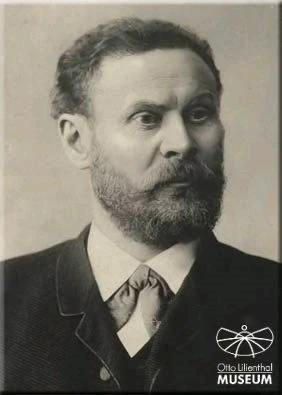
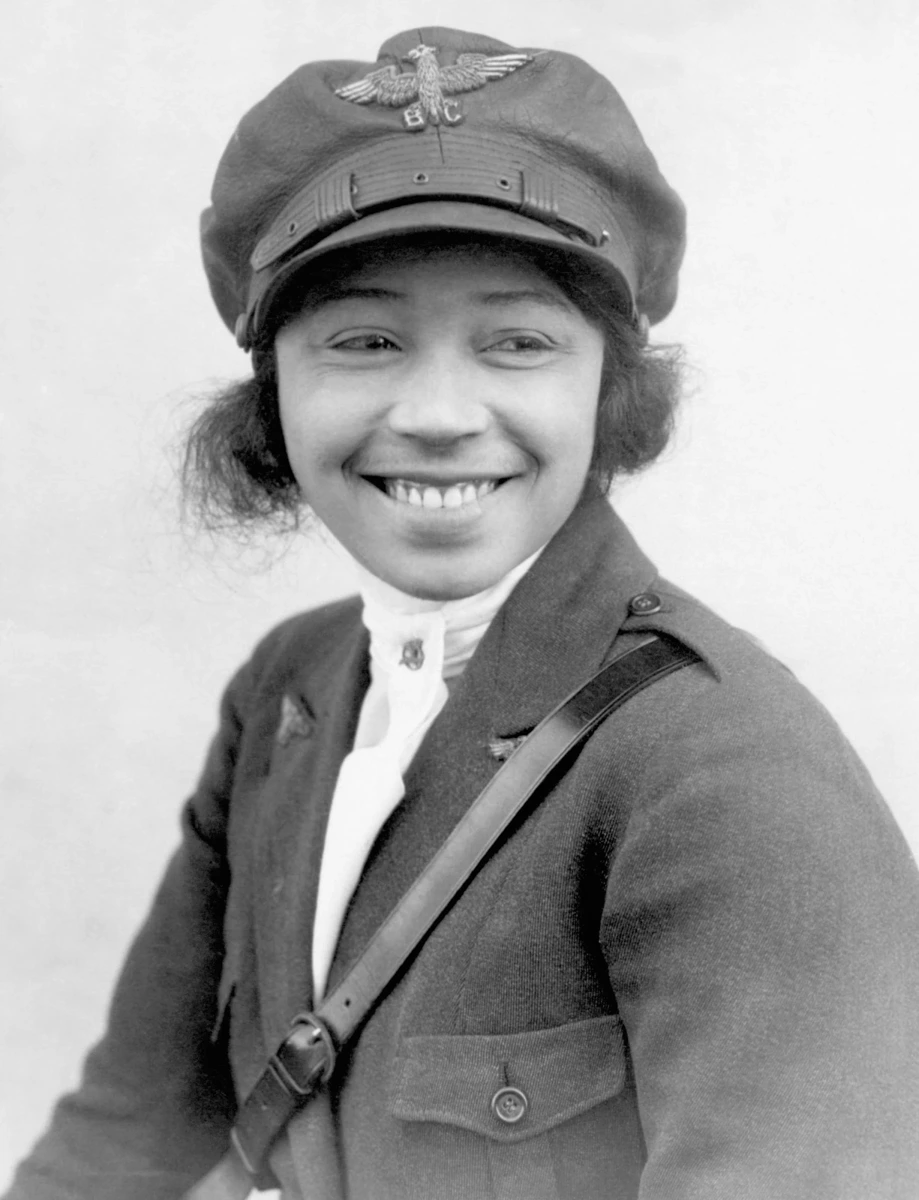
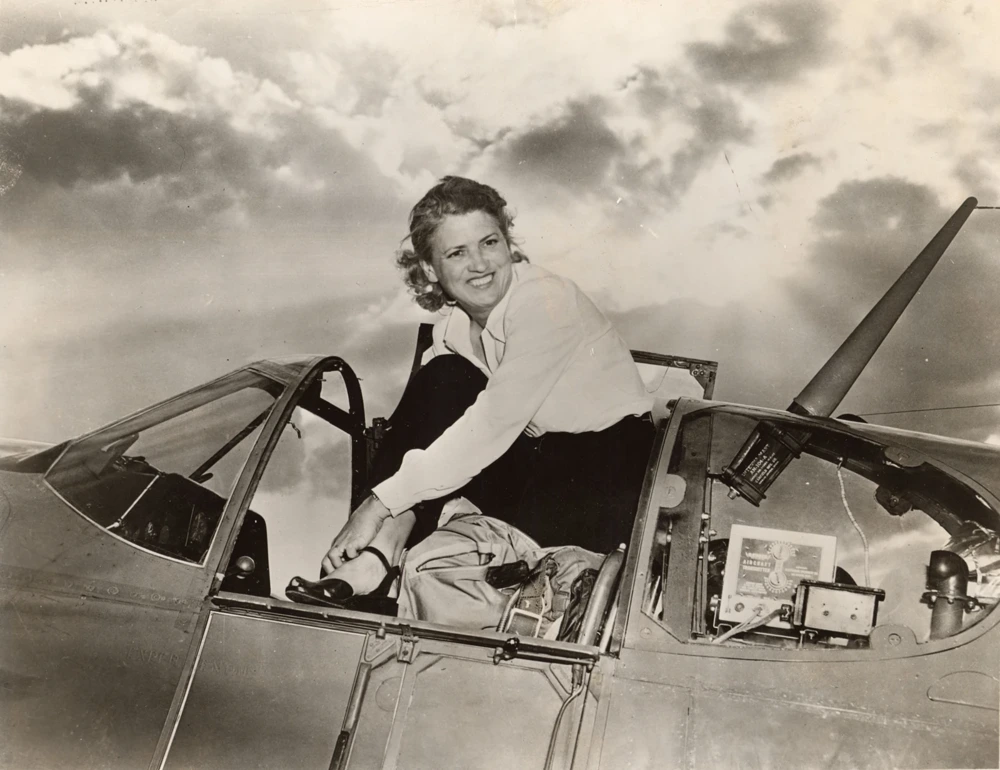
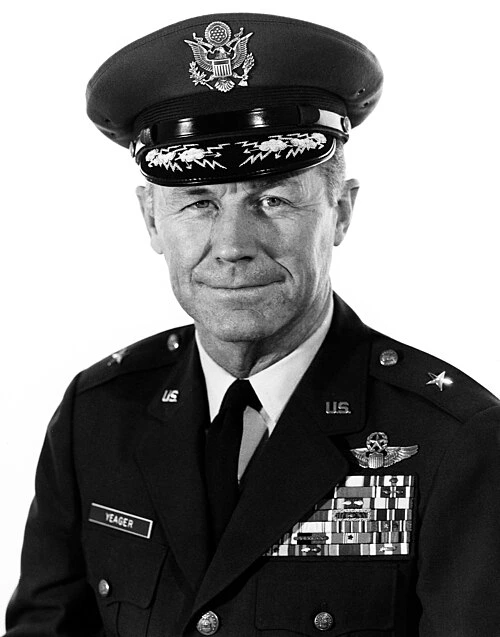
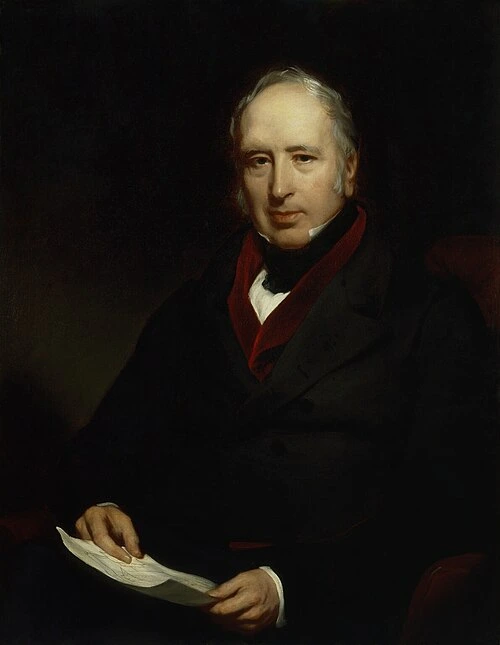
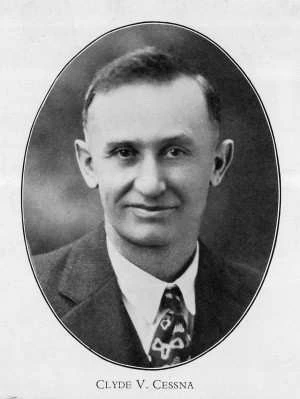
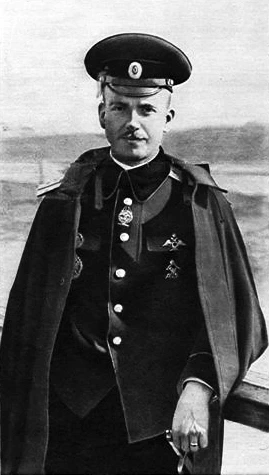
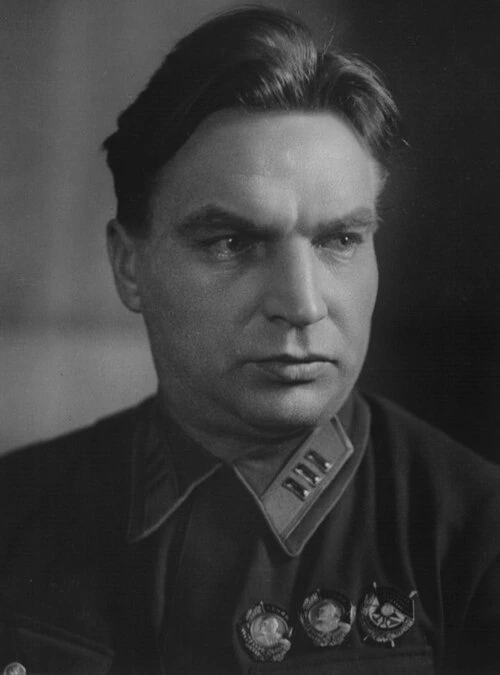
Aviation history comprises different kinds of work. Pioneers investigate the possibility of flight, designers create aircraft, test pilots assess their behaviour and pilots operate practical routes. One person may combine roles, but each is worth considering separately.
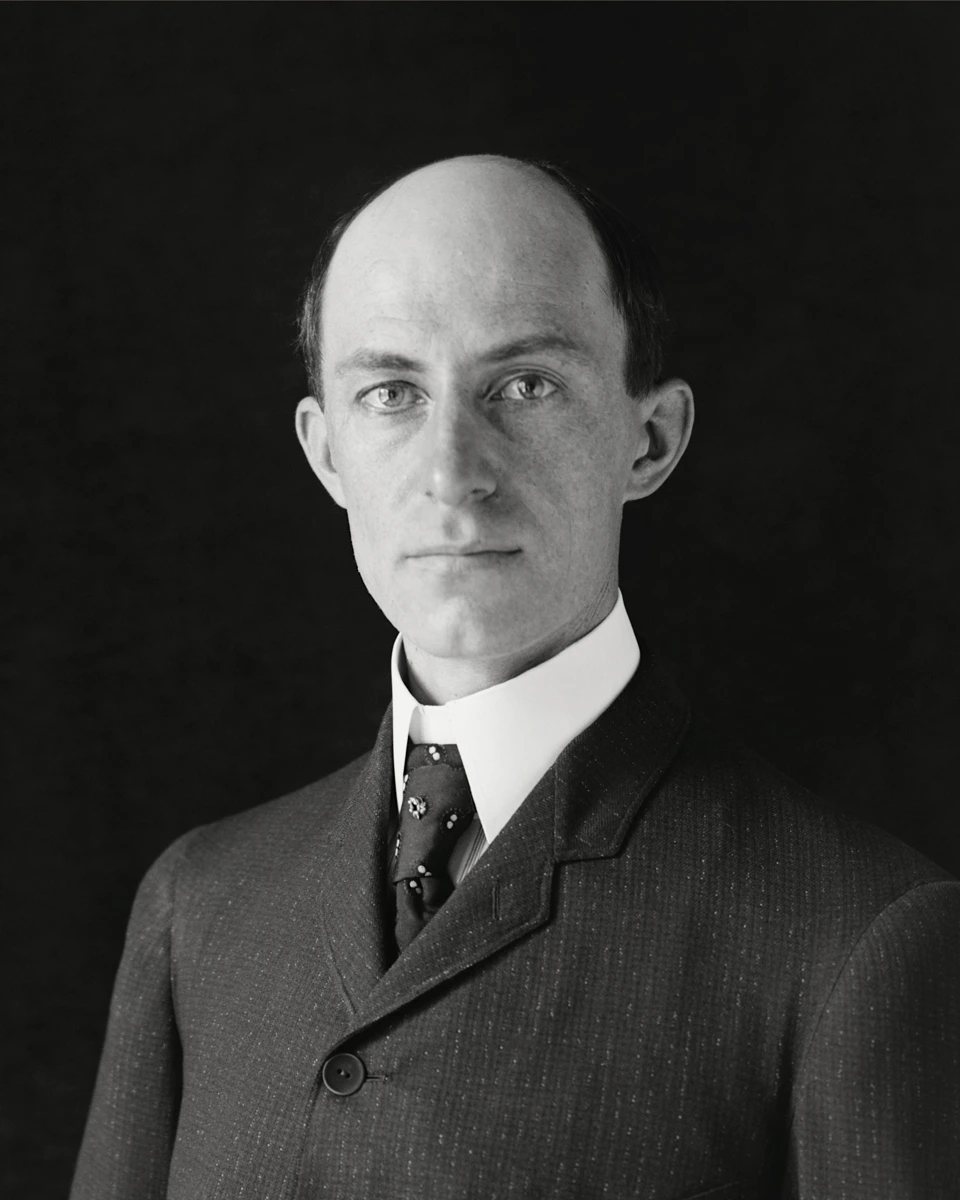
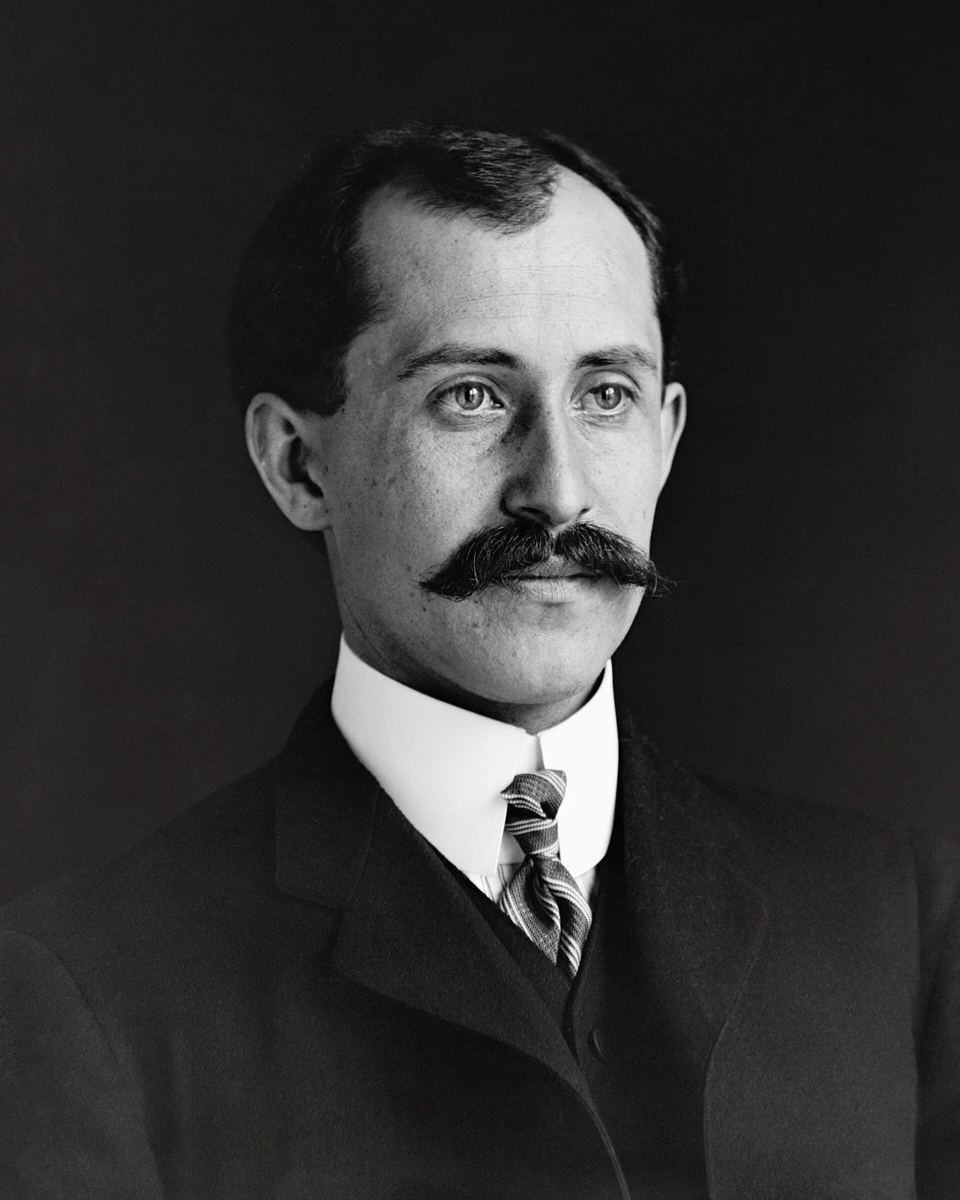
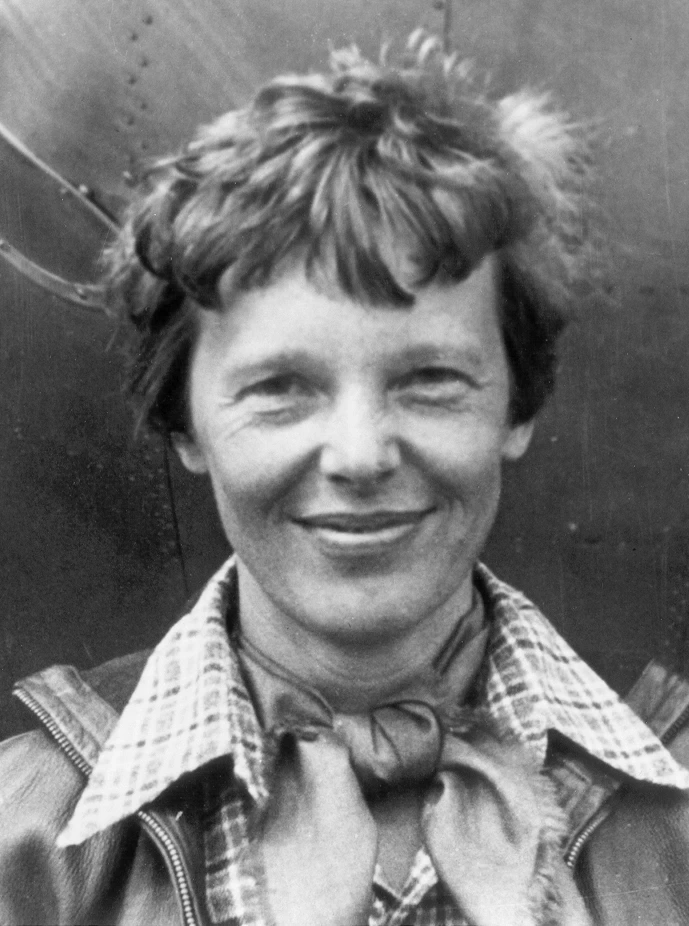
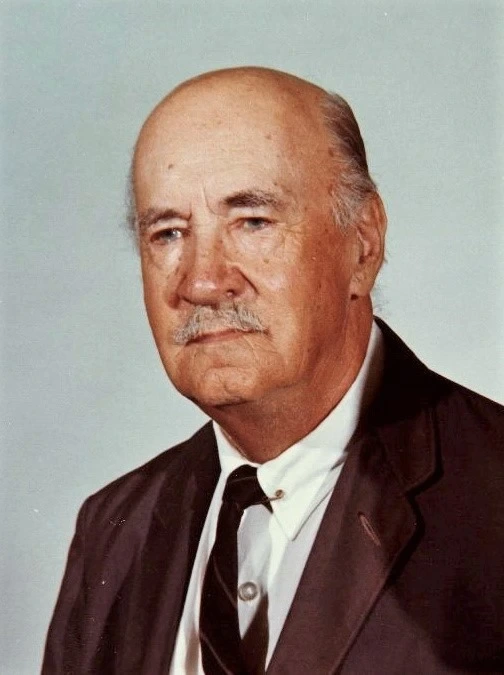
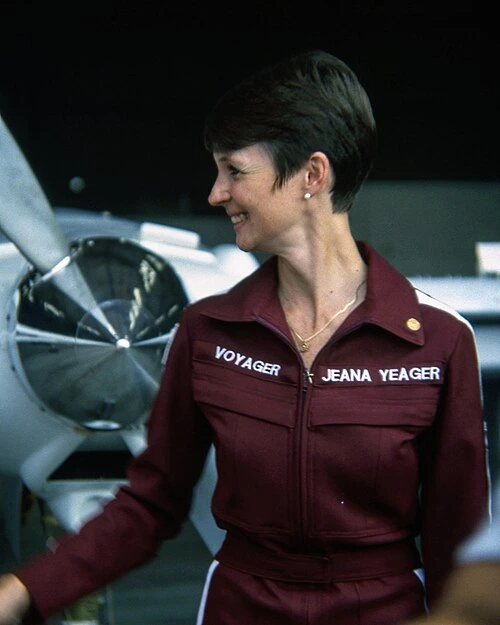
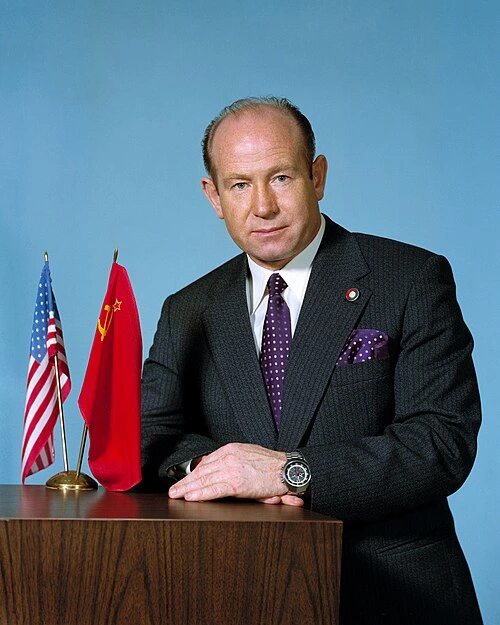
These biographies connect people with specific aircraft and events. This shows what was achieved: wing data, a verified flight regime, a long-distance route or wider access to a profession. A famous name becomes a technical and human story.
Why record conditions matter
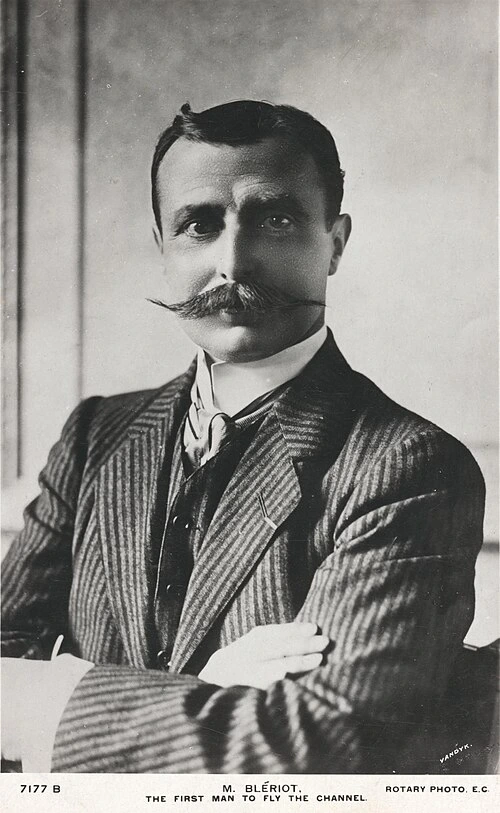
First flight, first free flight, solo flight and a nonstop route are different achievements. Calling something “first” without qualification can obscure an important distinction. Biographies therefore retain aircraft type, the person’s role and the task performed.
Compare results with the capabilities of their era. A distance covered easily by a modern airliner could challenge an early aircraft. Navigation, reliability and available infrastructure shaped pilots’ and engineers’ decisions.
From flying experiments to space
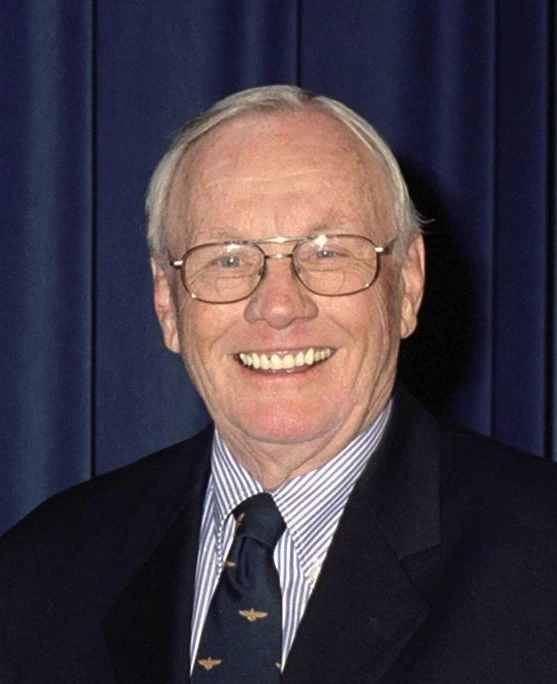
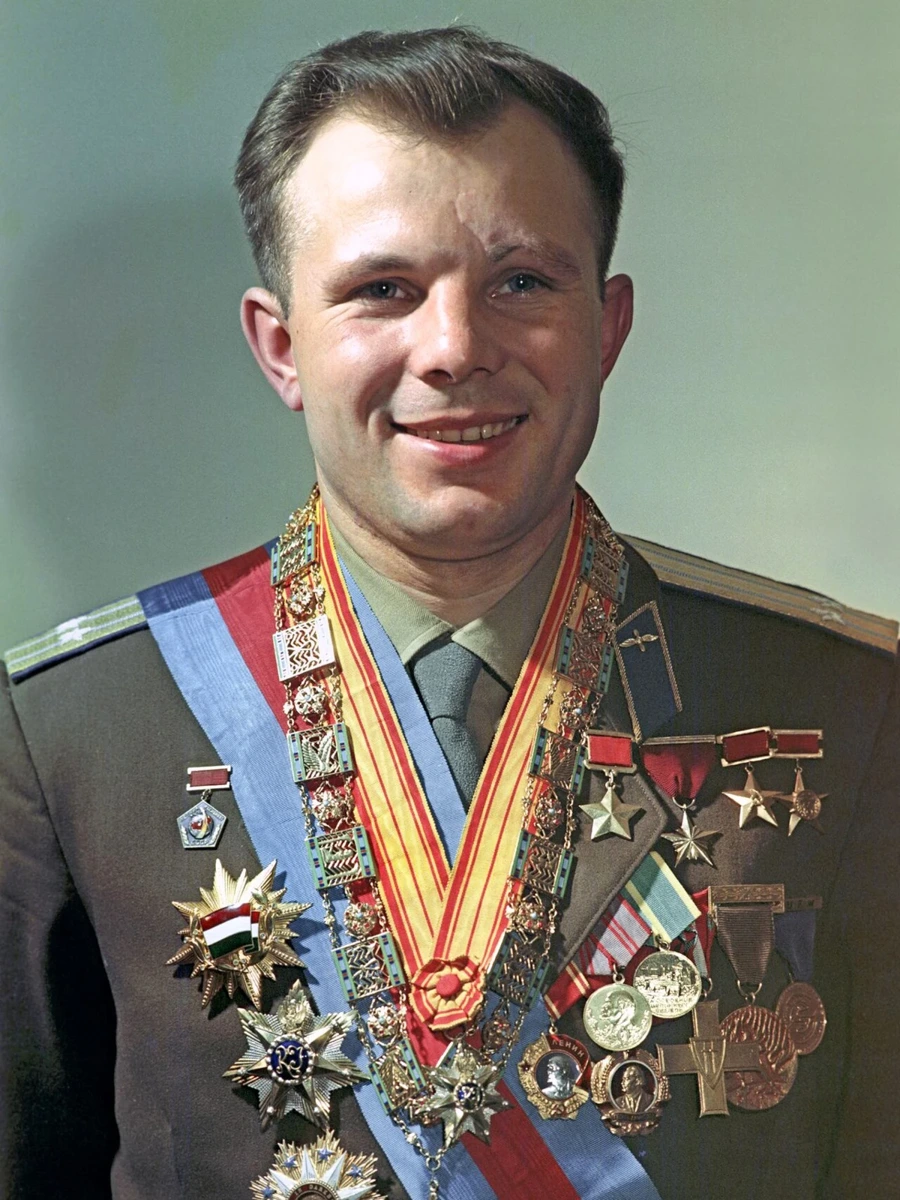
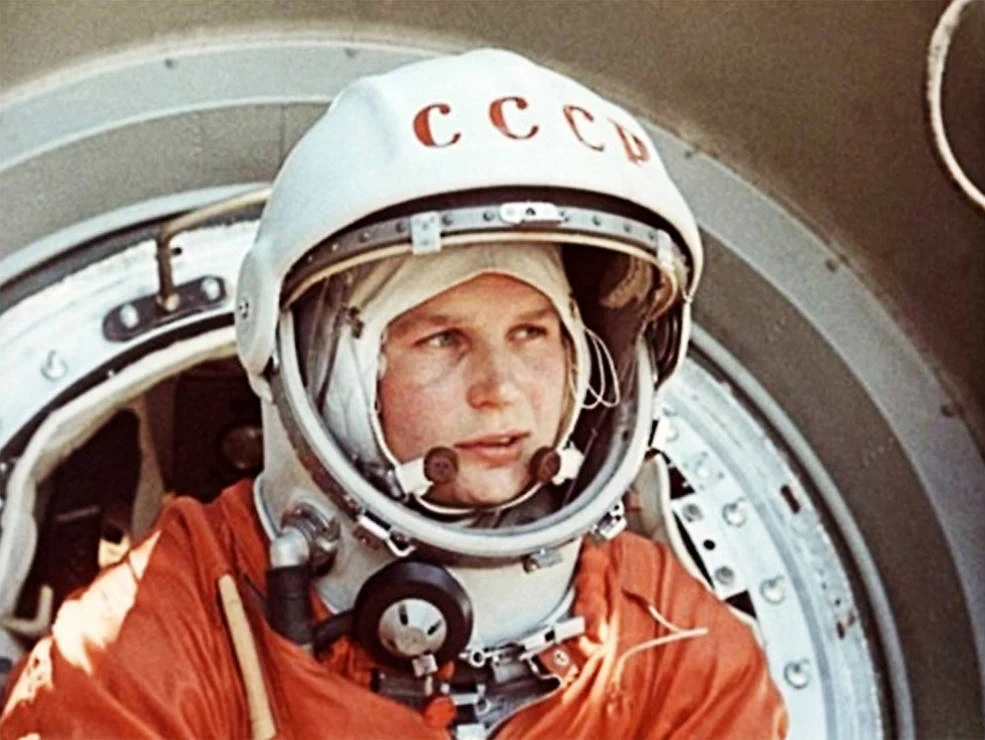
Gliders, powered aeroplanes, helicopters, jet research aircraft and spacecraft use different principles for different tasks. Their histories connect through professional training and accumulated knowledge. Gagarin’s and Armstrong’s biographies show how aviation experience informed the first generation of space explorers.
Moving between fields still required new training. A pilot licence did not replace learning to operate a spacecraft, and successful gliding did not establish readiness for powered transport. The section presents development as successive verified steps.
How to explore further
Search by name, country or associated aircraft. Each biography contains a timeline, technical context, major achievements and answers to questions. Links connect people working in the same historical period or contributing complementary research.
For a fuller picture, read a biography alongside the corresponding calendar date and career description. The date records the event, the life story explains the path to it, and the professional section shows how similar tasks are addressed today.