
Life and work in aviation
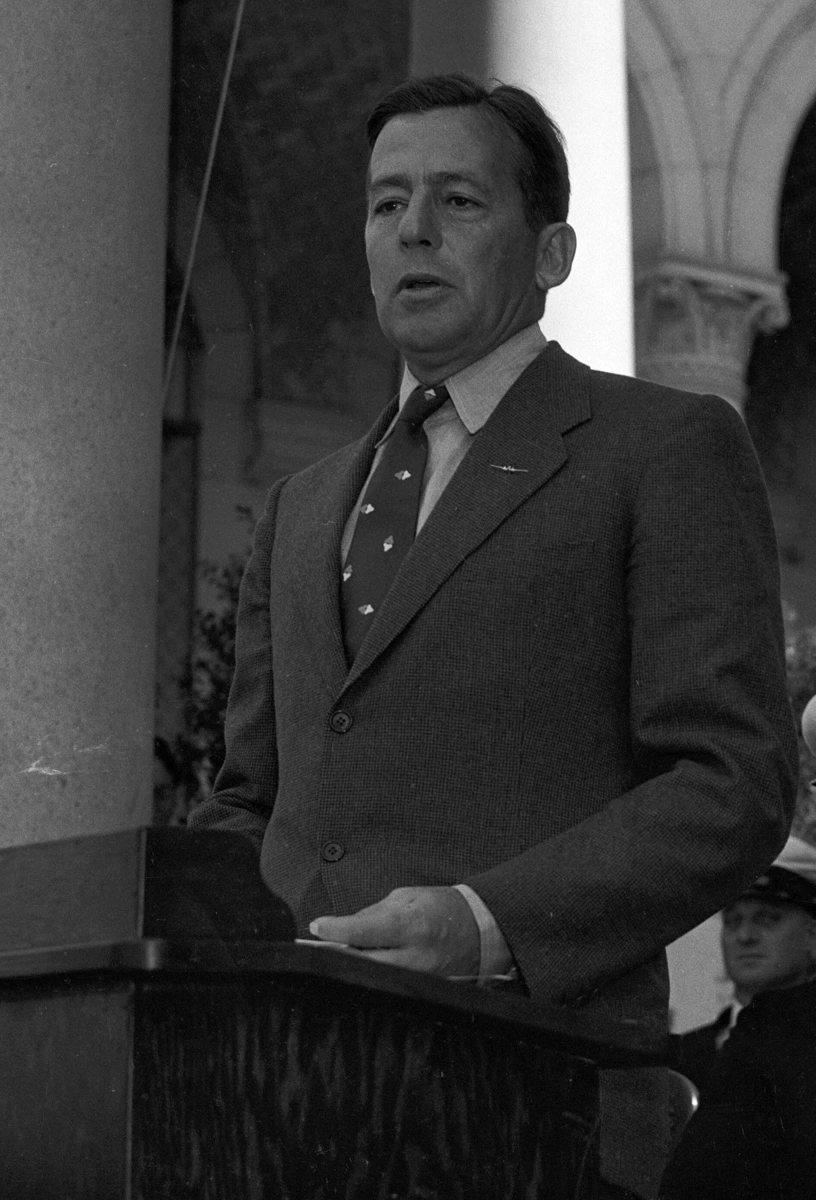
Donald Douglas (1892–1981) was an American engineer and Douglas Aircraft Company founder. His name is associated with a major transport aircraft school, especially the DC family. As engineer and manager, he connected design with production. The DC-2 and DC-3 advanced civil transport, but large teams developed them rather than one person at a drawing board.
Engineering start
Douglas received engineering training at the Massachusetts Institute of Technology and worked in aviation design. He came to his own enterprise with an understanding of design and calculations. To create a serial aircraft, this knowledge was not enough without the organization of production. It was necessary to coordinate the design, manufacturing of parts and testing, gradually forming a team with different engineering specialties.
Company and Douglas World Cruiser
Douglas's company became known for projects in the 1920s, including the Douglas World Cruiser. In 1924, aircraft of this type participated in the first completed round-the-world route on airplanes. The vehicles were on their way with intermediate stops and ground support. This project showed the capabilities of technology and organization, and was not a single non-stop flight of an individual pilot.
The DC Family
DC-2 and DC-3 are associated with the development of commercial air transport. The liner was to not only carry passengers, but also be suitable for regular flights and maintenance. The economics of operation became part of the technical task. Douglas led an enterprise in which engineers and production specialists created machines for carriers with specific requirements for capacity and routes.
School of Transport Aircraft
Military transport options and civilian aircraft expanded Douglas' influence. In 1967, the company merged with McDonnell. The subsequent history of corporations is different from the personal career of the founder. His legacy is to create an organization and design direction, where the real task of the carrier influenced the layout, reliability and maintenance of the aircraft throughout its operation.
How an aviation company is formed
Aviation production combines the design, manufacture, testing and supply of equipment. The entrepreneur can determine the direction and collect the team, but does not perform all the calculations personally. Power plant, devices and materials often come from individual organizations. Therefore, the history of the company is a network of interrelated works. The name of the founder helps to trace the beginning of the enterprise, and the exact indication of engineers and programs shows how the idea turned into a real serial product.
For the carrier, the aircraft is part of the route and operation economy. Capacity, fuel consumption and maintenance conditions affect the choice of type. The contracting authority may set requirements that guide the manufacturer's work. The order does not make the head of the airline a designer. The difference in roles is especially noticeable when creating large liners: the technical program and the organization of future flights are developing in parallel and must be agreed before the regular transportation of passengers begins.
Serial production requires repeated quality of parts, documentation and training of people. An experienced aircraft tests a technical idea, but a successful first flight does not automatically ensure the production of hundreds of machines. Need suppliers, workshop equipment and the ability to maintain the product after delivery. These challenges explain the importance of industry organizers. Their contribution may be to create a sustainable system through which many specialists work on the overall result for a long time.
Businesses change names, merge and continue to operate after the departure of the founders. The late aircraft may retain a well-known brand, but belong to a different engineering era. The biography should be built on specific dates of human participation. This preserves the distinction between personal contribution and corporate heritage. Through such a story, it is clearer why the development of aviation depends simultaneously on technical solutions, the organization of production and the real needs of passengers, carriers and other operators.
Major achievements
- The Douglas Aircraft Company
- DC Transport Aircraft School
- Participated in the organization of large aircraft production
Aircraft and flying machines
- Douglas World Cruiser
- DC-2
- DC-3
- C-47
Organisations and events
Douglas Aircraft Company · MIT
- The 1924 World Route
- Development of DC passenger aircraft
Questions about this biography
Why is Donald Douglas in the history of aviation?
He founded the Douglas Aircraft Company. He developed the DC Transport Aircraft School. Participated in the organization of large aircraft production.
With what field of aviation is this biography connected?
Donald Douglas (1892-1981) was an American engineer and founder of the Douglas Aircraft Company.
What aircraft are involved in this work?
Related to the biography: Douglas World Cruiser, DC-2, DC-3, C-47. Their role and period are described in the main sections.
What events help to understand the professional path?
Major historical episodes: 1924 round-the-world route; Development of DC passenger aircraft.
What organizations are mentioned in the biography?
The professional path is associated with organizations and communities: Douglas Aircraft Company, MIT.
World Cruiser flew around the world without landings?
Oh, no. The 1924 route ran with stops and technical support; this is a different type of achievement than Voyager flight.
What is the technical context of this story?
Aviation production combines the design, manufacture, testing and supply of equipment. The entrepreneur can determine the direction and collect the team, but does not perform all the calculations personally. Power plant, devices and materials often come from individual organizations. Therefore, the history of the company is a network of interrelated works. The name of the founder helps to trace the beginning of the enterprise, and the exact indication of engineers and programs shows how the idea turned into a real serial product.