
Life and work in aviation
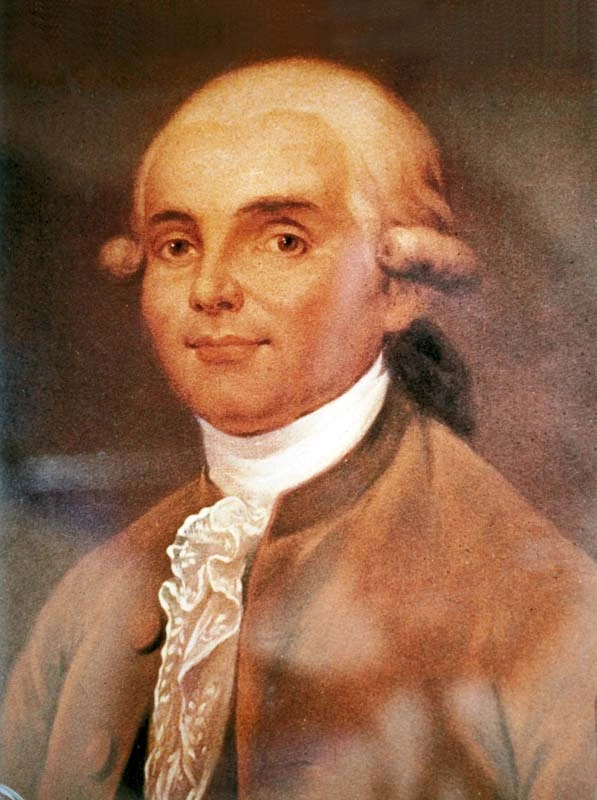
Jacques-Etienne Montgolfier (1745-1799) was a French entrepreneur and inventor, the younger brother of Joseph Montgolfier. He participated in the creation of a thermal balloon and the organization of demonstrations, which in 1783 made aeronautics a notable achievement of European science and technology. In the joint work of the brothers, the experiment had to be turned into a large structure, make a shell and ensure the preparation of a public launch. Etienne’s biography shows how the invention moves from private experience to a socially recognized result.
Production and manufacture of shell
Etienne managed the family paper business and had experience in organizing the manufacture of materials. Lightness, sheath area and quality of connections were important for the balloon. The larger the design, the more important the practical production skills became. Therefore, work on aeronautics included not only the idea of raising heated air, but also the ability to create a shell that can maintain shape during launch.
Common Invention of Two Brothers
On June 4, 1783, Joseph and Etienne demonstrated an unmanned thermal balloon. The history of the device is associated with both brothers, although their roles and the nature of the work varied. When describing achievements, one cannot assign all authorship to one of them without reservations. Their interaction combined observation, production, repetition of experiments and presentation of the result to the public - steps necessary for the development of new technology.
Versailles and the preparation of manned flights
In September 1783, a demonstration of an aerostat with animals took place in Versailles. The next stage was the rise of people and free flight on November 21 in Paris. Etienne participated in the preparation of a major project and its presentation. Different demonstrations solved different issues, so it is useful to consider them consistently: the ability of the shell to rise, the ability to carry living beings and the conditions of people in the air.
How to read the history of the Mongolfier
The name Mongolfier denotes a thermal balloon and retains the name of the inventors. It does not mean an airship and does not apply to an aircraft with a wing and engine. Etienne’s contribution is related to the first type of apparatus that allowed people to make free flights. This story reminds us that aeronautics and heavier-than-air aviation developed in different technical ways, gradually forming a common air transport space.
Airlifting and flight control
The balloon rises due to the difference in gas density inside the shell and the surrounding air. At the thermal balloon, this difference creates heated air, at the gas - another filling gas. Such a physical scheme is different from the work of the aircraft wing. For early experiments, the shell, the method of filling and the ability of the structure to withstand the load were important. The first successful climb did not yet mean the ability to freely choose the direction of the route.
The free balloon is mostly moved along with the air mass. A change in altitude may allow the use of the wind of another direction, but does not give control equal to the aircraft. Therefore, the altitude, range and accuracy of arrival are different issues. Historical achievement should be described with an indication of the type of apparatus and the conditions of experience. Otherwise, a controlled airship, a tethered ball and free aeronautics are mistakenly turned into the same technique.
When demonstrating the new device, the observers had to make sure that the shell retains its shape and is able to carry the load. Tests of models, animals and humans were related to different stages of development. They can not be combined with one date without explanation. The work of manufacturers and researchers complemented the actions of the participants in the flight. The transition to a larger shell required solving new issues of materials and assembly, as the increase in size changed the mass and impact loads.
Air travel has become an independent part of aviation history. Its development gave experience with the atmosphere, altitude, observation and organization of flights. This experience should not be considered a simple unsuccessful attempt to build an aircraft: the balloon uses a different principle and has its own tasks. When reading inventors' biographies, it is useful to distinguish between a physical idea, a public demonstration, and exploitation. Between the first experience and regular use is usually a long-term improvement of technology.
Major achievements
- Together with Joseph created a thermal balloon
- Participated in the manufacture and organization of demonstrations in 1783
- Helped to move from unmanned experiments to human flights
Aircraft and flying machines
- The Montgolfiers of 1783
Organisations and events
Mongolfier family paper manufactory
- Demonstration at Annona in 1783
- Demonstration at Versailles in September 1783
- Piloted flights in autumn 1783
Questions about this biography
Why is Etienne Montgolfier in the history of aviation?
Together with Joseph created a thermal balloon. Participated in the manufacture and organization of demonstrations in 1783. He helped to move from unmanned experiments to human flights.
With what field of aviation is this biography connected?
Jacques-Etienne Montgolfier (1745-1799) was a French entrepreneur and inventor, the younger brother of Joseph Montgolfier.
What aircraft are involved in this work?
Associated with the biography: The Mongolfiers of 1783. Their role and period are described in the main sections.
What events help to understand the professional path?
Main historical episodes: Demonstration at Annona in 1783; Demonstration at Versailles in September 1783; Manned flights in autumn 1783.
What organizations are mentioned in the biography?
The professional path is connected with organizations and communities: The paper manufactory of the Montgolfier family.
Montgolfier is an airship?
Oh, no. Montgolfier is held in the air by heated air and mostly moves with the wind. The airship has an engine and means of controlling the direction of movement.
What is the technical context of this story?
The balloon rises due to the difference in gas density inside the shell and the surrounding air. At the thermal balloon, this difference creates heated air, at the gas - another filling gas. Such a physical scheme is different from the work of the aircraft wing. For early experiments, the shell, the method of filling and the ability of the structure to withstand the load were important. The first successful climb did not yet mean the ability to freely choose the direction of the route.