
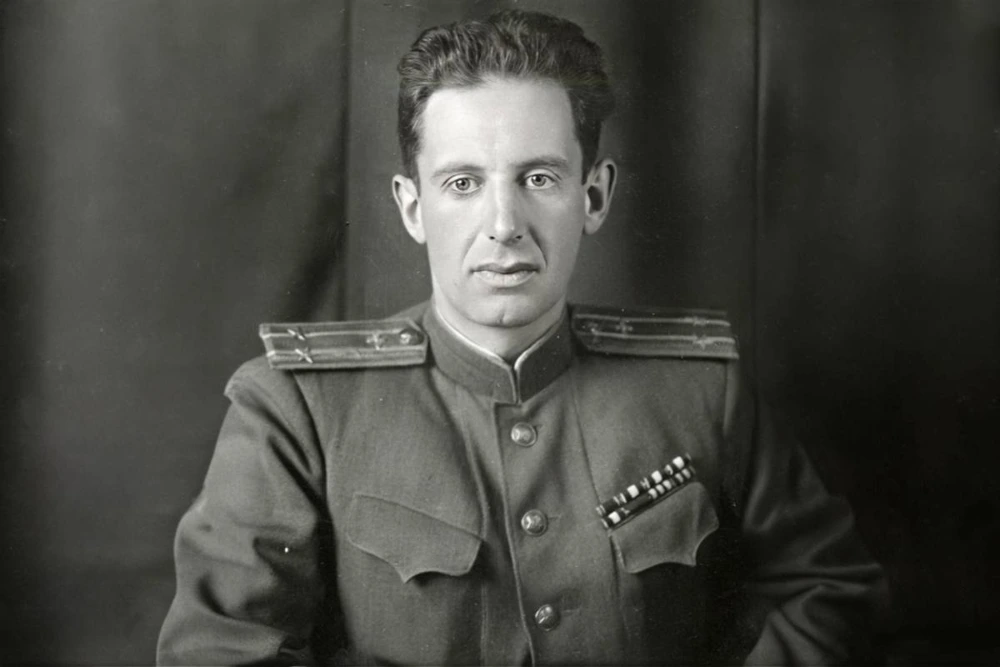
Life and work in aviation
Mark Gallai (1914–1998) was a Soviet test pilot, engineer and aviation author. His career combined theoretical understanding with practical airborne evaluation. He worked at TsAGI and the Flight Research Institute, researching demanding flight conditions and preparing the first cosmonauts. His detailed professional writing explained test work’s importance beyond aviation organisations.
Engineering education
Gallai studied at the Leningrad Polytechnic Institute and received training as an engineer, while mastering flying. In 1937 he started working at TsAGI. Research flight requires a double look: the pilot observes the behavior of the aircraft, and the engineer understands what parameters need to be measured. This combination allows you to describe the result of the experience so that it can be used by calculators and designers.
Research in LII
Since 1941, his work has been associated with the Flight Research Institute. Among the tasks studied were aircraft and chassis fluctuations, including flutter and shimmy. Such phenomena can not be assessed only by the subjective feeling of the pilot. Registration of parameters and comparison with calculations are required. The tester reports the observations and executes the program, and the scientific team turns the data into technical solutions.
Training of astronauts
At the early stage of the Soviet space program, Gallai participated in the training of future cosmonauts. His experience of controlling a complex machine and working under test conditions proved to be useful in training actions in the cockpit of a spacecraft. Gallai himself did not perform space flights. His contribution relates to the training of people, ground working procedures and the development of a professional approach to new technology.
Tester Literature
Gallai's books show aviation as the work of pilots, engineers, and ground specialists. He explained why spectacular flight is only a visible part of long training. Such evidence is particularly valuable for understanding the culture of testing. The reader gets the opportunity to see not only the name of the aircraft and the date, but also the nature of the decisions, the responsibility of the crew and the way to discuss the results in the team.
Why do planes need flight tests?
The test program checks whether the real machine matches the calculations and the task. Before the flight, ground checks are carried out, measurements are prepared and the sequence of tasks is determined. The tester does not just assess whether it is convenient to sit in the cabin. His observations should be useful to engineers who have to compare the data with the expected result. Therefore, the accuracy of the description and the discipline of the task are part of the profession along with confident control of the aircraft.
The parameters are recorded by the equipment and compared with the conditions of experience. One unusual reaction of the machine can have several explanations, so you need to re-check within the limits of the program. The pilot reports sensations and circumstances, and specialists analyze the design and records. It's a collective effort. A successful flight does not mean that all modes, loads and use cases that will be required for a future serial aircraft have already been studied.
A new type is being developed gradually. Different stages can check the stability, control, power plant and equipment interaction. The expansion of the flight area is based on the results obtained. That is why the famous first flight is the beginning of practical research, and not its completion. After it, the details and systems are often changed. The historical biography of the tester shows the visible part of the program, but the work of a large engineering and ground team remains behind the cabin.
The experimental result should be distinguished from the admission to normal operation. The record machine can be prepared for a narrow task, and the serial should provide repetitive work and maintenance. Training the tester is also not a universal permission to fly any new technology. It is necessary to study a specific machine and program. These differences help to understand the contribution of a specialist, without turning his biography into a story only about courage or spectacular maneuvers.
Major achievements
- He worked as a test pilot of TsAGI and LII
- Participated in studies of aircraft oscillations
- He trained the first cosmonauts and wrote about test work.
Aircraft and flying machines
- Experimental and research aircraft LII
Organisations and events
TsAGI , Flight Research Institute
- Started working at TsAGI in 1937
- Training astronauts in the early 1960s
Questions about this biography
Why is Mark Gallai in the history of aviation?
He worked as a test pilot for TsAGI and LII. Participated in studies of aircraft fluctuations. He trained the first astronauts and wrote about the test work.
With what field of aviation is this biography connected?
Mark Gallay (1914-1998) - Soviet test pilot, engineer and author of books on aviation.
What aircraft are involved in this work?
Related to the biography: Experimental and research aircraft LII. Their role and period are described in the main sections.
What events help to understand the professional path?
Main historical episodes: Beginning of work at TsAGI in 1937; Training of cosmonauts in the early 1960s.
What organizations are mentioned in the biography?
The professional path is connected with organizations and communities: TsAGI, Flight Research Institute.
Gallai flew into space?
Oh, no. He participated in the training of astronauts, but his own flying career was associated with aviation tests.
What is the technical context of this story?
The test program checks whether the real machine matches the calculations and the task. Before the flight, ground checks are carried out, measurements are prepared and the sequence of tasks is determined. The tester does not just assess whether it is convenient to sit in the cabin. His observations should be useful to engineers who have to compare the data with the expected result. Therefore, the accuracy of the description and the discipline of the task are part of the profession along with confident control of the aircraft.