
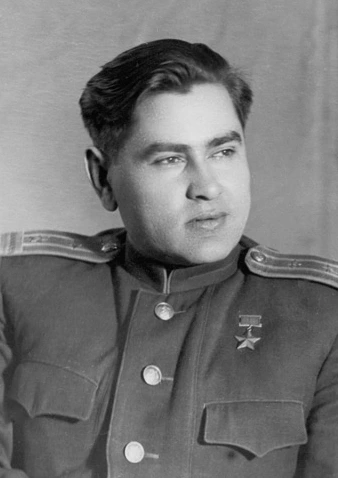
Life and work in aviation
Alexey Maresyev (1916–2001) was a Soviet fighter pilot who returned to flying after severe injuries and the amputation of both legs. Boris Polevoy’s Story of a Real Man made his history famous, though biography and fiction do not fully coincide. His professional achievement was recovering skills, completing training and returning to piloting with prosthetic legs.
Flight training and service
Maresyev underwent aviation training and began military flight service. The war set the fighter pilot tasks related to rapid decision-making and interaction of the unit. Prior to his injury, he had professional experience. It was this training that became the basis for the subsequent return: it was about restoring a previously mastered set of skills, and not about the first acquaintance with the aircraft.
Injured in 1942
In the spring of 1942, the plane Maresyev was shot down, and he was in difficult conditions away from his part. Subsequent treatment resulted in amputation of both legs. This episode should not be turned into a detailed survival or medical rehabilitation manual. For the aviation biography, it is important that the pilot survived a severe injury and set himself the task of restoring the ability to control the aircraft.
Return to Flight
After recovery and additional training, Maresyev again got the opportunity to fly. In 1943, he returned to combat work and was awarded the title of Hero of the Soviet Union. Controlling the aircraft required adaptation, sustained coordination, and testing of the pilot's capabilities. The result depended on personal work, the work of instructors and the decision of specialists on admission to a particular service.
Biography and literary hero
Field's story made the story widely known, but her hero Alexei Meresev is a literary character. When studying the facts, it is necessary to distinguish the artistic scenes from the documented service of Maresyev. After the war, he did community service. His example remains important as a history of return to the profession, but does not set universal medical requirements or the same path for all people with disabilities.
How aviation experience becomes a profession
Pilot training combines theoretical knowledge and practical management. Training aircraft are chosen not only for simplicity, but also for the ability to form the necessary skills. The student must understand the actions in the cabin, notice the change in conditions and follow the established procedures. The first independent flights are a stage of training, and not the final confirmation of readiness for any type of machine. Further transition requires additional preparation for new systems and tasks.
Crew work is different than single piloting. The responsibilities are distributed so that people can control each other’s actions and maintain the overall picture of the flight. The commander is responsible for decisions within his role, but does not replace the rest of the specialists. In historical aviation, a separate task was often performed by a navigator. The development of devices changed the organization of work, but the need for coordination of actions remained on more modern technology.
The instructor should not only manage the aircraft well, but also explain the sequence of actions. It is important to notice the cause of the error, and not only its external result. Preparation includes the repetition of tasks in the prescribed conditions and a gradual complication. Through this work, personal experience becomes available to other people. Therefore, the contribution of an aviation specialist can be in the training of dozens of pilots, even if his name is not associated with the loudest record of the era.
Military, sports and civil aviation use different programs and tasks. Qualifying in one area does not automatically allow admission to another. The description of the biography should take into account the specific period of service, the type of aircraft and the nature of the work. This helps to understand a person’s real skills: piloting, instructor practice, command, or testing. Historical experience serves as a material for studying the profession, but does not replace the modern requirements for training and admission.
Major achievements
- Returned to flight work after amputating both legs
- He continued his service in fighter aircraft in 1943.
- Became a Hero of the Soviet Union
Aircraft and flying machines
- Fighters of Soviet aviation
Organisations and events
Soviet Air Force
- Injuries and treatment in 1942
- Return to flying in 1943
Questions about this biography
Why is Alexey Maresev included in the history of aviation?
He returned to flight work after amputating both legs. He continued his service in fighter aircraft in 1943. He became a Hero of the Soviet Union.
With what field of aviation is this biography connected?
Alexey Maresyev (1916-2001) - Soviet fighter pilot who returned to flight after a serious injury and amputation of both legs.
What aircraft are involved in this work?
Related to the biography: Fighters of Soviet aviation. Their role and period are described in the main sections.
What events help to understand the professional path?
Major historical episodes: Injury and treatment in 1942; Return to flying in 1943.
What organizations are mentioned in the biography?
The professional path is associated with organizations and communities: the Soviet Air Force.
Maresyev and the hero of the story are the same image?
The real pilot became the prototype of Alexei Meresev. The fiction book is based on his story, but does not replace the documentary biography.
What is the technical context of this story?
Pilot training combines theoretical knowledge and practical management. Training aircraft are chosen not only for simplicity, but also for the ability to form the necessary skills. The student must understand the actions in the cabin, notice the change in conditions and follow the established procedures. The first independent flights are a stage of training, and not the final confirmation of readiness for any type of machine. Further transition requires additional preparation for new systems and tasks.