
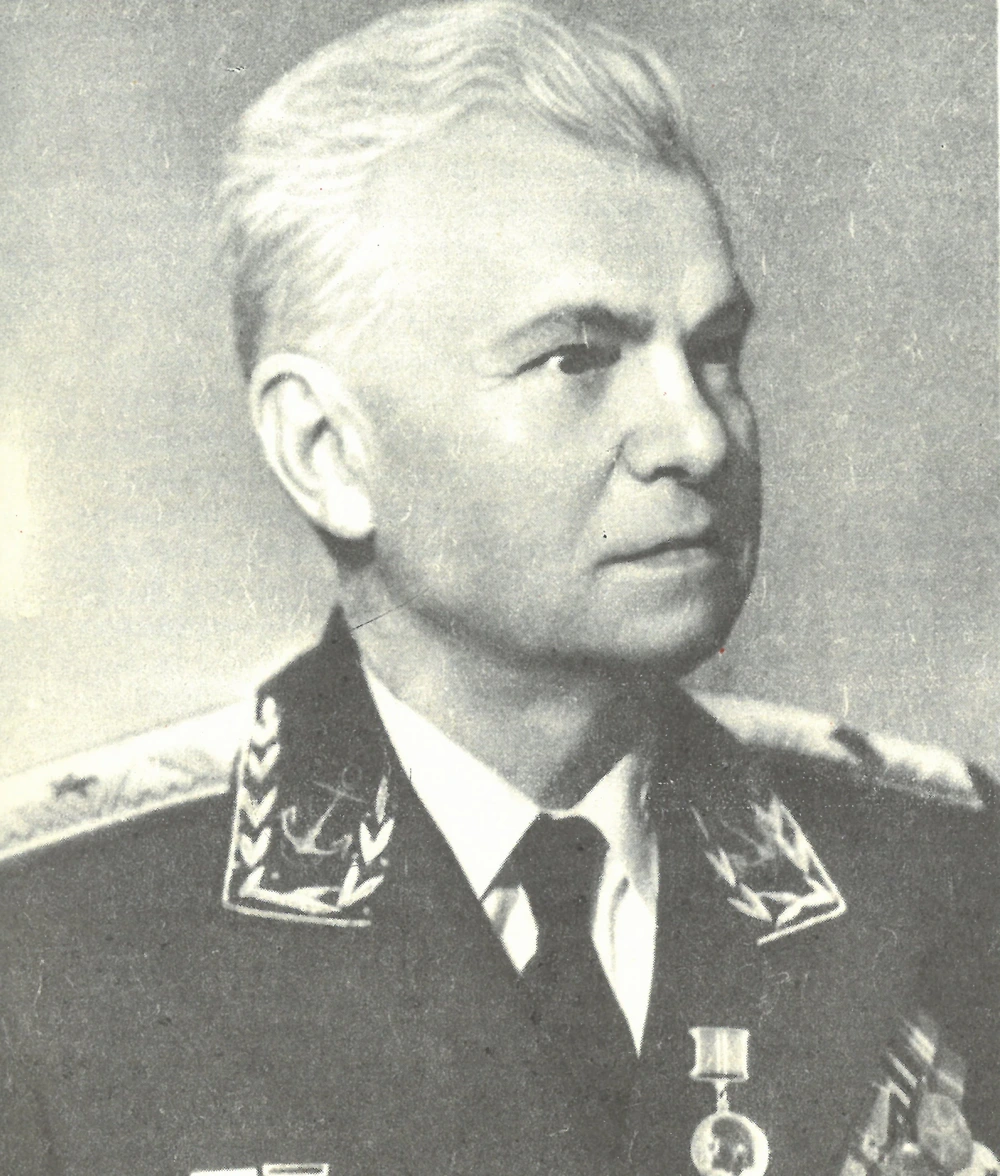
Life and work in aviation
Georgy Beriev (1903–1979) was a Soviet aircraft designer who founded a marine aircraft design school in Taganrog. His flying boats and amphibians included the MBR-2, Be-6, Be-10 and Be-12. He combined aerodynamics with water-operation requirements. Later company aircraft continue that school but cannot be described as his personally completed designs after his lifetime.
Engineering training
Beriev was born in Tiflis and graduated from the Leningrad Polytechnic Institute. He worked in aviation design teams, then focused on marine engineering. This specialization required water to be considered as a launch and landing environment. The flying boat must combine a working hull with a wing and plumage suitable for the air route after separation from the surface.
ICBM-2 and team in Taganrog
ICBM-2 was one of Beriev’s early notable projects. In 1934, he headed the Central Design Bureau of Marine Aircraft Engineering established in Taganrog. The aircraft and the organization of the team relate to different aspects of its contribution. The chief designer had to agree on calculations, manufacture and tests so that a single project could move on to serial work.
Post-war seaplanes
Be-6, jet Be-10 and amphibian Be-12 show different directions of school development. The jet installation changed the speed capabilities, and the amphibian scheme allowed the use of both water and the airfield. Each solution created additional restrictions on weight, body and chassis. The seaplane required a separate test program, which included behavior on the water and in the air.
Heritage of the School of Design
Beriev led the Taganrog team until 1968. Be-200 refers to the later history of the enterprise and is not his personal project. The biography of the founder helps to understand the origin of specialization, but does not cancel the contribution of subsequent engineers. The main result is a stable direction of hydroaviation, in which the purpose of the machine determines the features of the hull, power plant and operation.
Flying boat and amphibious aircraft
The seaplane uses water for takeoff and landing. In a flying boat, the hull performs the corresponding role, in a float car - separate floats. Amphibia additionally has the ability to use a land airfield. These are different schemes, not interchangeable names of one device. They are chosen for the purpose and available infrastructure. The designer needs to take into account the air flow and movement on the water, which create various loads and requirements for the shape of the lower part of the machine.
The hull must withstand contact with the surface of the water and at the same time remain suitable for flight. Waves, spraying and overclocking conditions affect the layout of the engine and equipment. The mass of amplification reduces other available opportunities, so the maritime scheme includes its own compromises. The simple transfer of a conventional aircraft to water does not solve these problems. Calculations, layouts and tests are required to assess the behavior of the design in both driving modes.
The chassis of the amphibian expands the choice of locations of operation, but adds mass and mechanisms. The suitability of the water area depends on the machine and conditions, and not only on the size of the water area. Ground and shore support remains essential for maintenance. Historical sea routes used the features of such equipment, but required their own organization. Water made it possible to do without a long concrete strip, but did not cancel the requirements for weather and crew work.
The school of hydroaviation could continue to develop after the founder, moving from piston installations to reactive and new tasks. Late amphibians do not become personal projects of a person just because of his name in the brand. When studying the biography, it is useful to link the aircraft with the period of leadership and real participants in the development. This helps to understand the continuity of the direction, without mixing different generations of technology and changes made by the following engineering teams.
Major achievements
- Developed ICBM-2
- Head of the Maritime Design Bureau in Taganrog
- Developed flying boats and amphibious aircraft
Aircraft and flying machines
- ICBM-2
- Be-6
- Be-10
- Be-12
Organisations and events
Central Design Bureau of Marine Aircraft Engineering , Leningrad Polytechnic Institute
- Establishment of a bureau in Taganrog in 1934
- Development of post-war hydro-aviation
Questions about this biography
Why is George Beriev included in the history of aviation?
Developed ICBM-2. He headed the Maritime Design Bureau in Taganrog. He developed flying boats and amphibious aircraft.
With what field of aviation is this biography connected?
Georgy Beriev (1903-1979) - Soviet aircraft designer, founder of the school of marine aircraft manufacturing in Taganrog.
What aircraft are involved in this work?
Related to the biography: ICBM-2, Be-6, Be-10, Be-12. Their role and period are described in the main sections.
What events help to understand the professional path?
Major historical episodes: Establishment of a bureau in Taganrog in 1934; Development of post-war hydroaviation.
What organizations are mentioned in the biography?
The professional path is connected with organizations and communities: the Central Design Bureau of Marine Aircraft Engineering, Leningrad Polytechnic Institute.
Beriev personally created the Be-200?
Oh, no. The Be-200 appeared after his death. It continues the direction of the enterprise, but developed by the subsequent team.
What is the technical context of this story?
The seaplane uses water for takeoff and landing. In a flying boat, the hull performs the corresponding role, in a float car - separate floats. Amphibia additionally has the ability to use a land airfield. These are different schemes, not interchangeable names of one device. They are chosen for the purpose and available infrastructure. The designer needs to take into account the air flow and movement on the water, which create various loads and requirements for the shape of the lower part of the machine.