
Helicopters
Helicopter tours: 12 destinations with different landscapes
Twelve destinations for helicopter tours: cities, waterfalls, mountains and reefs. How to compare landscapes, program and total travel time.
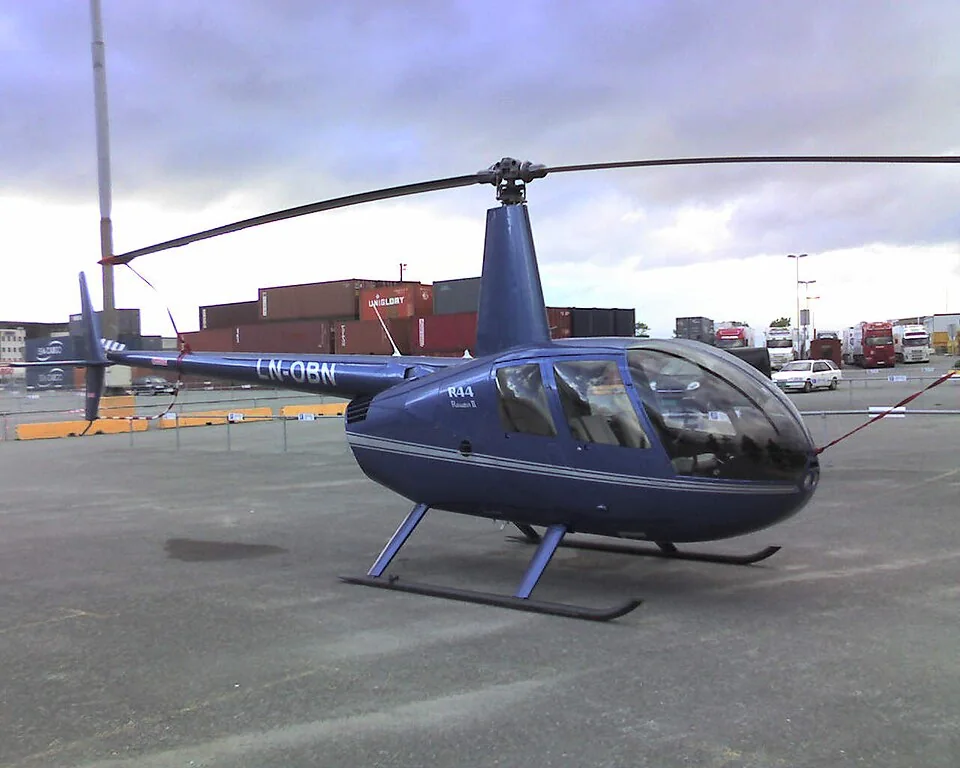
A helicopter tour changes the scale of a familiar place. From the ground, a person sees a street, a slope or a separate waterfall, and from the air - the connection between them: the coastline, terrain and location of the city. Therefore, when choosing a destination, it is useful to first decide what kind of landscape you want to see, and only then compare the duration and conditions of specific flights.
Below are twelve destinations: from city panoramas to mountains, waterfalls and reefs. These are geographic reference points for selecting experiences. Availability of a specific route, departure point and landing possibility are confirmed with the operating operator on the desired date. One item on a tourist list can combine several completely different programs that cannot be assessed only by a beautiful photograph.
Hawaii: choose an island first
The Hawaiian archipelago offers different combinations of coastline, mountains and valleys. Therefore, the words “flying over Hawaii” are too broad to understand the program. Kauai, Maui and other islands have their own geography. You need to determine where you are departing from and what part of a particular island is included in the itinerary, rather than expecting to see the entire archipelago in one short excursion.
For visual impression, the ratio of coastal and inland areas is important. One route may be dedicated to valleys and slopes, another to the ocean line. These options are not necessarily interchangeable. If the main goal is a particular landscape, it is useful to discuss it, recognizing that actual conditions may change the planned trajectory on the day of the flight.
New York and Rio de Janeiro: a city in a landscape
New York attracts with its combination of dense buildings, rivers and bridges. From the air, the structure of the city is especially noticeable, which is difficult to grasp while walking along individual streets. When comparing programs, the departure point and the declared viewing area are important. The name of the city does not yet indicate which landmarks will be visible on a particular flight.
Rio de Janeiro offers a different image: urban areas juxtaposed with coves, beaches and dramatic mountainous terrain. What is interesting here is the connection between the buildings and natural forms. You should not promise yourself in advance the same angle for every known point. The view depends on the route, cloud cover, the position of the sun and the passenger’s seat in the cabin of the selected helicopter.
Victoria Falls and Iguazú: two different waterfall landscapes
Victoria Falls is located on the Zambezi on the border of Zambia and Zimbabwe. The aerial perspective helps to present the river and surrounding gorges as a single system. The season and amount of water change the appearance of the landscape: richer flows and more open channel geometry create different impressions. Therefore, waiting for one constant picture here especially easily leads to disappointment.
Iguazu, on the border of Brazil and Argentina, features many cascades among the forest. From above, their general pattern is interesting, which differs from close ground observation. Flying and walking can complement each other: one shows the scale, the other allows you to feel individual details. When choosing, you should not consider a short aerial review a complete replacement for getting to know the place on the ground.
Grand Canyon: seeing the scale of the terrain
The Grand Canyon is striking from the air because of the extent and relationship of its landforms. A ground viewpoint gives a powerful impression but covers only part of the landscape; a flight offers a different perspective. Distinguish the national park, neighbouring areas and the particular flight route. Sharing the same tourist destination name does not make them identical.
Travel time to the departure point is also important. Advertising descriptions often highlight the duration of the flight itself, while the trip takes longer. If the day is already full of other events, it is useful to calculate the entire route from the hotel and back in advance. This allows you to compare programs based on actual convenience, while keeping the air excursion part of a well-thought-out travel day.
Cape Town and Santorini: the coastline as the main story
In Cape Town, the cityscape is associated with the ocean and mountainous terrain. The interest of a route is determined by which parts of this system it shows and how the perspective changes as the flight progresses. A short coastal tour and a longer program can provide different experiences, even if they start in the same place and use the same helicopter model.
Santorini is recognizable by its caldera, islands and buildings on the slopes. The aerial perspective helps tie these elements into the overall picture. Here it is especially important not to confuse a survey flight with transport delivery between points. Services may appear similar in duration, but have different purposes, trajectories and organization of the land portion of the journey.
Iceland and the Everest region: the weather changes the plan
In Iceland, aerial programs can focus on volcanic terrain, glaciers, the coast or the Reykjavik area. This is not one universal route. The landscape and actual accessibility of individual areas vary, so the presence of a famous natural site in the general description of the country does not confirm its inclusion in a specific excursion flight for the selected day.
In the Himalayas, the names "Everest" and "Base Camp" can also refer to different programs. It is necessary to separately clarify the viewing area and the presence of landings. The possibility of landing directly at the camp should not be inferred from the photograph or the general name of the tour. For a mountain destination, real conditions and the agreed program of the current operator are important, and not a promise to repeat someone else’s route without changes.
Great Barrier Reef and Serengeti: a general picture of nature
Above the Great Barrier Reef, the shapes of the reefs, islands and shallow waters attract attention. Such an overview differs from observation under water: from the air, the structure of space is visible, and not the details of individual corals. The return flight and the landing program refer to different scenarios, so their contents must be compared separately, including the ground or sea part.
In the Serengeti, aerial perspective helps to convey the scale of the open landscape. But animal viewing does not follow a tourist's fixed schedule. A specific type, number or position of animals cannot be guaranteed based on the program title alone. A clear description of the area and format is more useful for selection than a promise to see all known natural events in one short flight.
How to compare several programs
Start with the total length of the day. The road to the site, registration, waiting, the flight itself and return are taken into account separately. Two offers with the same time in the air can differ significantly in terms of convenience. If travel involves a layover or other event, it is important to leave room for rescheduling, especially in a destination with variable weather conditions.
Check exactly what is included: a sightseeing flight, a landing, a ground excursion or a transfer. Similar labels can describe different experiences. Discuss photographic expectations too, because glazing, reflections and seating affect the view. An aerial promotional photograph does not necessarily match what every passenger can see from their seat.
The conditions for transfer and cancellation set out before payment are of particular importance. They help you understand how the day will be organized if the original route is unavailable. Check the content of a specific proposal, and do not transfer the rules of one company to another. For each direction, a clear answer about the actual program, time and actions of the organizer when conditions change is useful.
It is more convenient to choose a helicopter excursion based on the desired scene: a city, a coast, a waterfall, mountains or a large natural area. Then the twelve destinations become a collection of different experiences, rather than a ranking with a must-winner. A well-tailored flight matches the traveler's interests, fits into their itinerary, and maintains clear expectations of what is actually included in the agreed program.
Before confirming your trip, inform the organizer of the group composition and baggage information that he requests. This helps to agree on the placement in advance and avoid a situation where the actual task differs from the one for which the proposal was originally prepared.