
Fighter aircraft / F/A-18
McDonnell Douglas F/A-18 Hornet
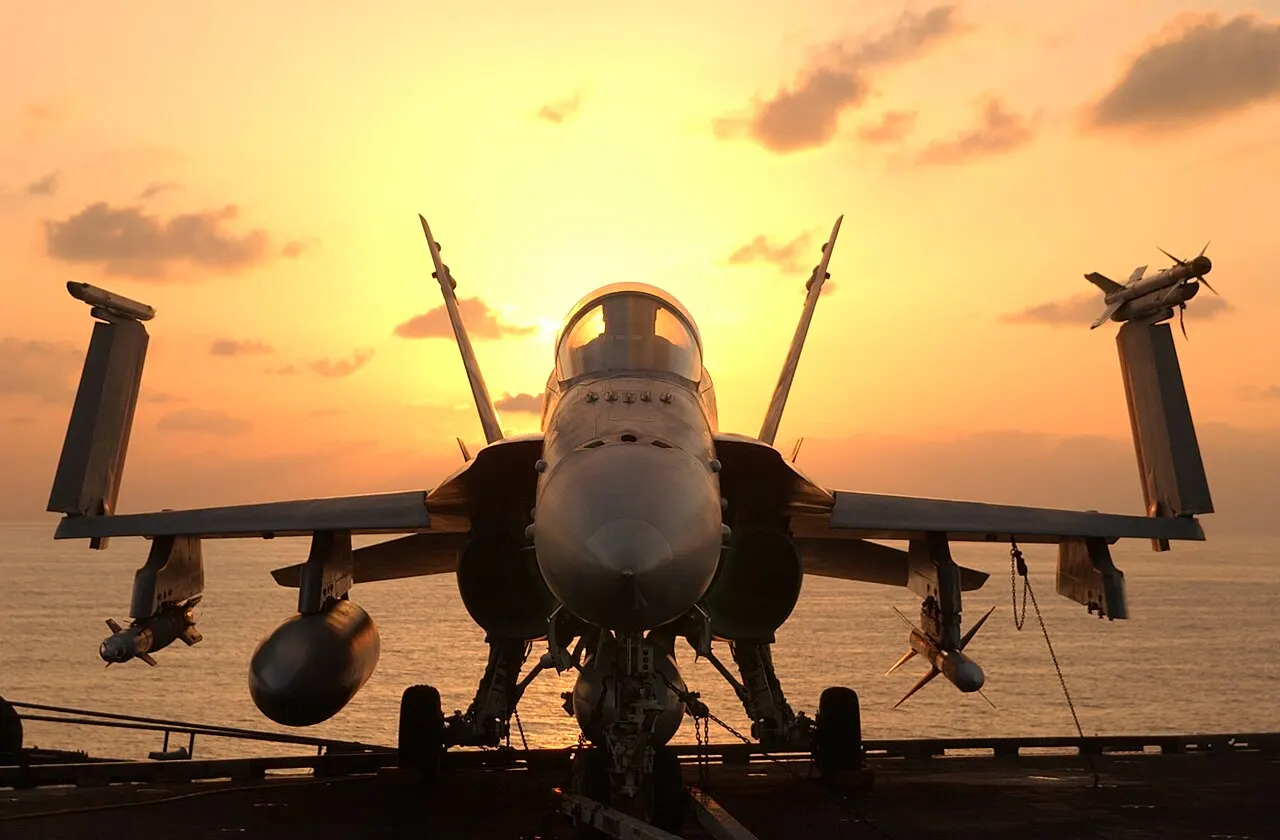
The F/A-18 Hornet was a twin-engine US Navy carrier fighter and strike aircraft that preceded the larger Super Hornet.
Development
History
The McDonnell Douglas F/A-18 Hornet is an American twin-engine carrier fighter and strike aircraft developed for the Navy and Marine Corps. The F/A letters reflect the combination of air combat and attacks on surface targets in one platform. The aircraft first flew in 1978. Naval aviation imposed special demands: it had to withstand carrier landings, fit within limited deck space and be prepared quickly for another sortie. The Hornet's history therefore involves more than flight performance; it is also a story of work within a carrier air wing.
The aircraft has two engines, folding wings and strengthened landing gear for shipboard service. An arresting hook brings it to a stop on a short deck. Engines and systems must function in a maritime environment where salt and limited space complicate maintenance. Pilots perform combat missions while also following exact procedures for launch and recovery. Radar, weapons and communications connect the Hornet with other aircraft and ships. Its effectiveness depends on that wider system rather than an isolated fighter.
The early F/A-18A and two-seat F/A-18B were followed by C and D versions. These differ in equipment, crew roles and weapons capability. Hornets have provided air cover, attacked surface targets and performed support missions. Armament is selected for a particular sortie; external fuel tanks and heavy stores change range and maneuverability. A maximum speed or combat radius without the aircraft's configuration says little about its practical work.
The F/A-18 served the United States Navy, Marine Corps and foreign air arms. The series operated from carriers and land bases. In American carrier aviation it was gradually succeeded by the larger F/A-18E/F Super Hornet. Despite the similar name, the Super Hornet is a substantially revised aircraft with different size and systems. A historical account should distinguish the original A–D Hornet from the later E/F family.
The Hornet's historical place rests on everyday versatility. A carrier can embark only a limited number of aircraft, so one type able to perform several missions is particularly valuable. The F/A-18 helped combine fighter and strike functions in naval aviation. Its long career reflects adaptation to sea service, successive updates and an ability to operate within the complex system of a carrier group.