
Fighter aircraft / МиГ-3
Mikoyan-Gurevich MiG-3
The MiG-3 developed from the MiG-1 programme for a high-altitude fighter.
Development
History
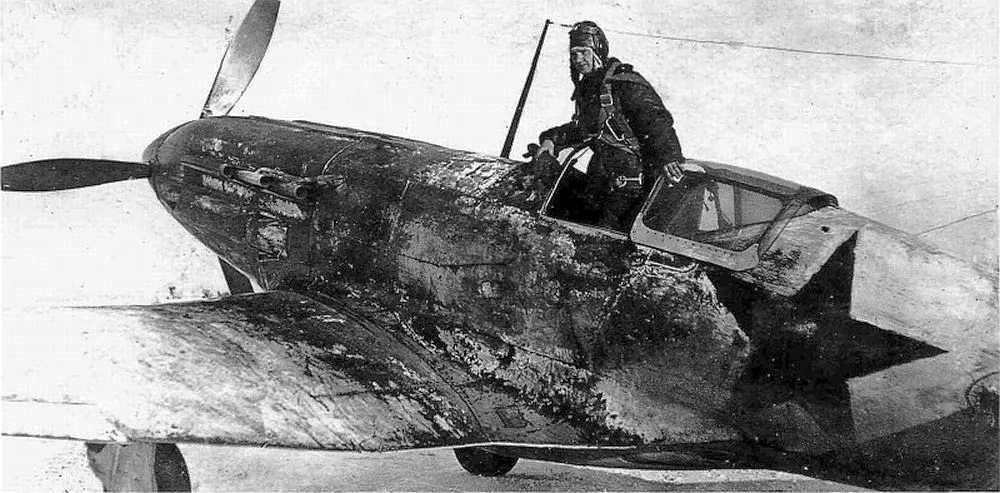
The MiG-3 developed from the MiG-1 programme for a high-altitude fighter. A revised prototype first flew on 29 October 1940. Engineers increased fuel capacity and worked on handling in order to produce an aircraft able to intercept targets at height. Production began shortly before the German invasion of the Soviet Union, so units had to learn the new type during a difficult period. Its long nose and fast appearance reflected a design emphasis on thin air rather than short, low-level dogfights.
The MiG-3 used a liquid-cooled engine and had performance that varied noticeably with altitude. At greater heights it could show the strengths for which it was designed, but many frontline engagements occurred much lower. There, tactics and aircraft handling became more demanding. Pilots needed practice that was often unavailable early in the war. Equipment and armament also changed between production batches, making it difficult to judge an individual aircraft without knowing when it was built.
The fighter served both at the front and in air-defence units. Its high-altitude qualities had practical value in the defence of Moscow against air raids. Some aircraft were also used against ground targets with rockets or bombs. Those assignments differed from the original interception role and demanded other skills. A claim that the MiG-3 was wholly unusable below its intended altitude oversimplifies its real service history.
Engine condition, airfields, spare parts, and trained mechanics all mattered in operation. Losses in the opening period of the war reflected not only aircraft characteristics but also surprise, poor communication, and limited pilot preparation. Production priorities later changed and large-scale manufacture of the MiG-3 ended. Surviving aircraft continued to fly where their particular qualities suited the unit's tasks.
The MiG-3 is a revealing example of an aircraft designed for one kind of air war but confronted by another. Its strengths emerged at altitude and within a well-organised interception system, whereas ordinary frontline conditions often demanded different qualities. Its story shows why comparing fighters only by maximum speed, without altitude, mission, and pilot experience, can produce a misleading conclusion.