
Fighter aircraft / МиГ-29
Mikoyan MiG-29
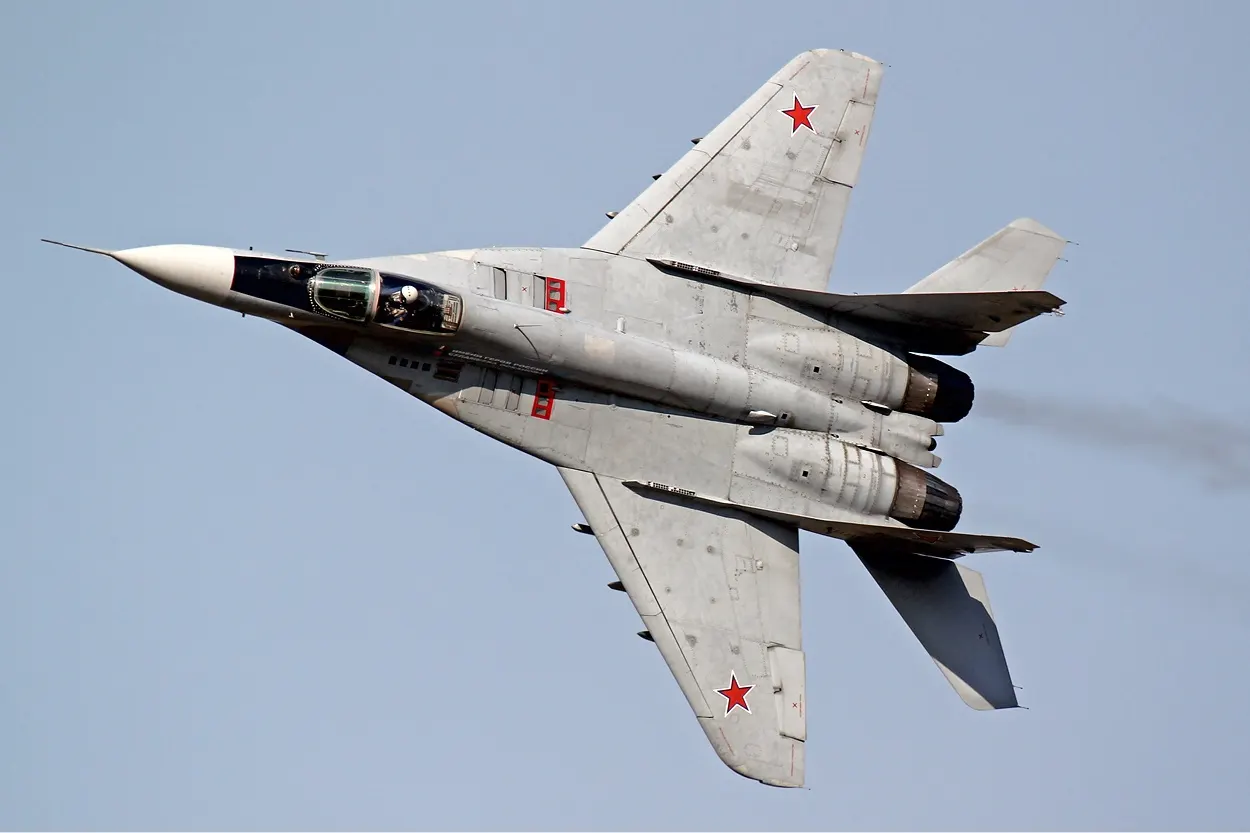
The MiG-29 was developed in the Soviet Union as a new light tactical fighter.
Development
History
The MiG-29 was developed in the Soviet Union as a new light tactical fighter. The programme complemented work on the heavier Su-27: planners wanted aircraft with different ranges and roles within a wider air-power system. The first MiG-29 prototype flew on 6 October 1977. Production aircraft reached training and operational units in the early 1980s. Twin engines, advanced aerodynamics, and contemporary equipment distinguished it from earlier MiG-21 and MiG-23 fighters.
The aircraft was designed primarily for air combat in support of tactical aviation. Radar, an electro-optical system, and guided missiles offered different ways to find and engage targets. High manoeuvrability was a prominent design feature, but combat effectiveness also depended on detection range, communications, and cooperation with ground control. The relatively limited fuel supply of early versions restricted range and patrol time. Later projects addressed those weaknesses as well as other operational needs.
The MiG-29 family contains numerous variants. The two-seat MiG-29UB trainer differed in equipment from the single-seat fighter. Later models gained updated electronics and wider options for attacking ground targets, while the carrier-based MiG-29K addressed ship operations. These versions cannot be assessed using one common set of specifications. Aircraft retaining a similar outline could have different engines, radar, fuel capacity, and weapons.
MiG-29s were exported to many countries. The dissolution of the Soviet Union also left aircraft with several newly independent states, whose later upgrades depended on their resources and priorities. The type appeared in regional conflicts, but accounts of combat results require attention to variant, crew training, support, and opposition. Airshow demonstrations made its manoeuvrability visible, yet they could not substitute for an assessment of the full operating system, from spare parts to ground maintenance.
The MiG-29's history traces a move from a focused light fighter toward more versatile later versions. The original project met requirements from the late Cold War, while continued service called for new sensors, weapons, and ways to extend its reach. Its significance is not confined to striking aerobatics: the aircraft became a widely used platform that operators adapted to their airfields, budgets, and ideas about air defence.