
Fighter aircraft / МиГ-31
Mikoyan MiG-31
The MiG-31 was developed as a long-range, all-weather interceptor for Soviet air defence.
Development
History
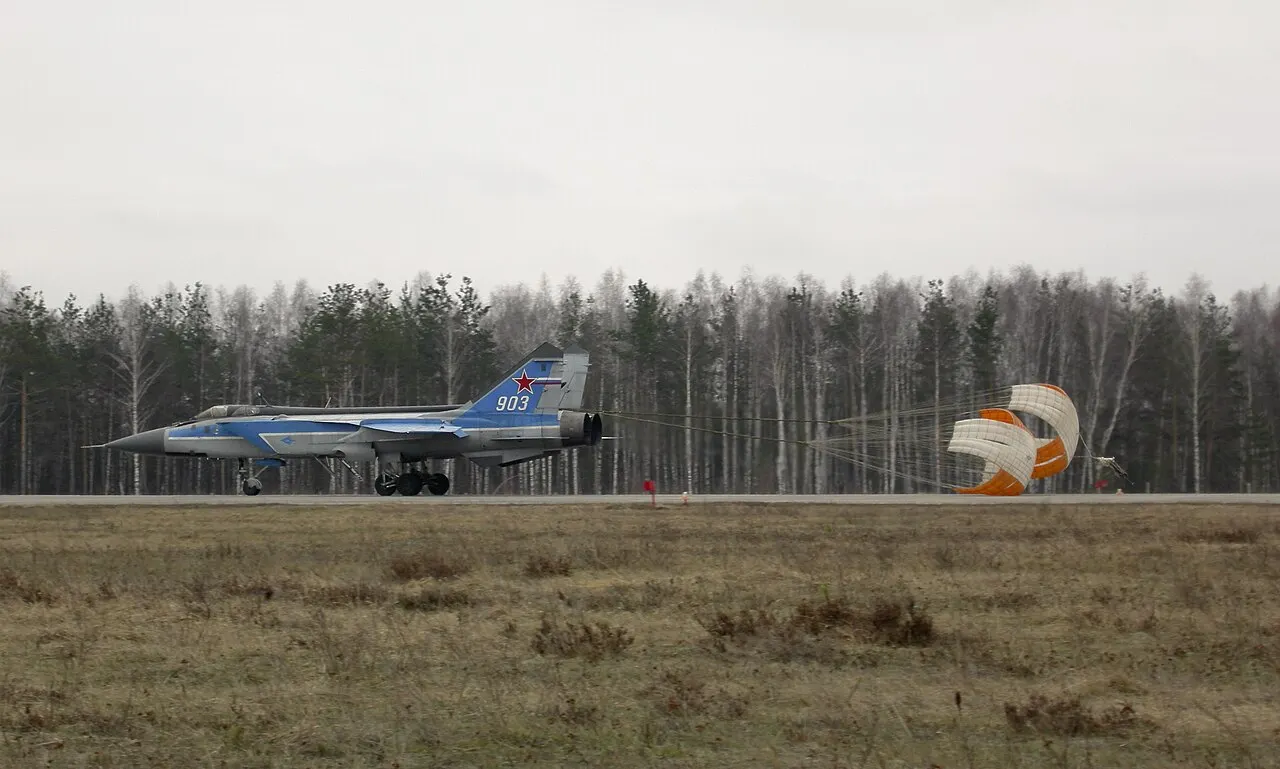
The MiG-31 was developed as a long-range, all-weather interceptor for Soviet air defence. It drew on experience with the MiG-25 but introduced different equipment and a crew of two. Its prototype first flew on 16 September 1975. After extensive testing, the aircraft was accepted for service in 1981. The principal task was to reach airborne threats quickly across a very large territory, including areas with sparse airfields and ground radar coverage.
The pilot flew the aircraft while a navigator-operator helped manage radar, navigation, and weapons. Dividing the workload made sense during long flights and complicated interceptions. Two engines supplied high speed but required substantial fuel and skilled maintenance. The aircraft was intended to operate in demanding climates, yet actual readiness still depended on bases, supplies, and trained personnel. A powerful airframe alone could not maintain continuous alert service.
An important feature was its phased-array radar. Combined with long-range missiles, it gave the crew options for finding and engaging targets well beyond close combat. The MiG-31 could cooperate with ground command and other interceptors. Detection and missile ranges, however, are not guaranteed outcomes in every situation: target altitude, electronic interference, terrain, and opposing tactics change the conditions. The aircraft should be understood as one element of a larger air-defence network.
The family evolved beyond the initial model. MiG-31B and MiG-31BM versions received updated equipment and wider capabilities. Not every experimental project reached large-scale production, so descriptions of demonstration aircraft should not automatically be applied to operational fleets. Missions and equipment could also change during upgrades. It is important to distinguish the original interceptor, later service modifications, and separate prototypes when discussing the type.
The MiG-31 filled a specialised role in the defence of vast airspace. It was not built for the same assignments as the lighter MiG-29, although the two appeared in a similar era. Its historical significance lies in the combination of speed, a two-person crew, and a sophisticated electronic interception system. Its long service shows that value in this mission depends not only on aerodynamics but also on the ability to work with surveillance and command networks.