
Fighter aircraft / Як-3
Yakovlev Yak-3
The Yak-3 was developed as a light, agile fighter for the altitudes at which much air combat occurred on the Eastern Front.
Development
History
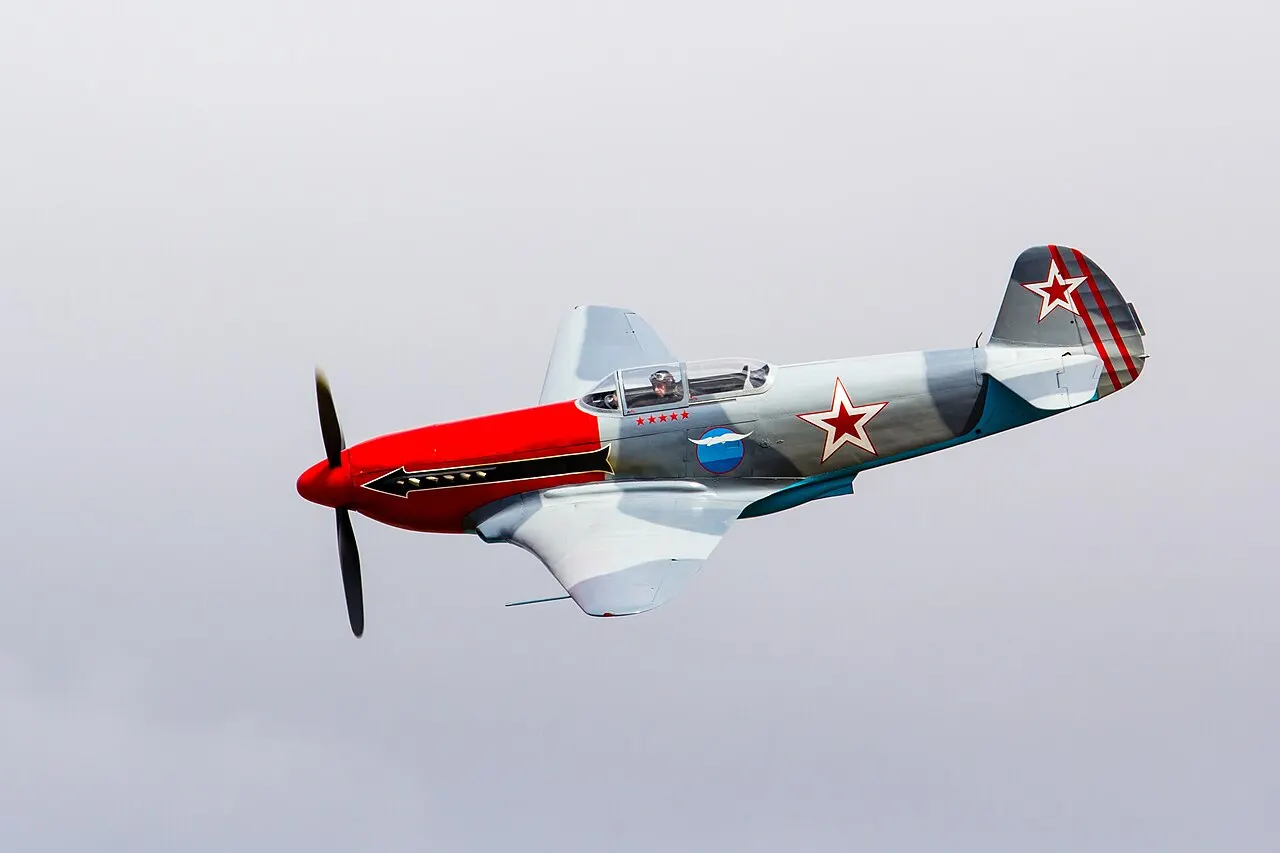
The Yak-3 was developed as a light, agile fighter for the altitudes at which much air combat occurred on the Eastern Front. Its design drew on the Yak-1 family, but the engineers aimed to reduce weight and improve aerodynamics. An experimental Yak-1M, the forerunner of the production fighter, first flew on 28 February 1943. After testing and refinement, production Yak-3s began reaching units in 1944. The compact aircraft soon earned a reputation as a dangerous opponent in close combat.
Reduced size and weight improved manoeuvrability and climb, especially at relatively low altitudes. Limited range, however, constrained patrol time and long-distance escort work. Pilots had to watch their fuel and choose engagements with the unit's assignment in mind. Armament varied among series, so the exact number of cannon and machine guns must be checked for an individual aircraft. Simple outward appearance did not mean little engineering effort: the finish of the skin, engine cooling, and structural strength all mattered.
Soviet fighter regiments flew Yak-3s against German aircraft. Their work included protecting friendly forces and aircraft, seeking local air superiority, and escorting strike groups. The type was well suited to manoeuvring fights, but results depended on pilot skill and cooperation within a pair or formation. Individual stories of aerial victories cannot by themselves measure the aircraft's effectiveness; altitude, weather, mission, and the opponent's situation also shaped each encounter.
The French Normandie-Niemen unit, flying alongside Soviet forces, formed a particularly well-known chapter in Yak-3 history. Its experience illustrates allied cooperation on the Eastern Front. Most aircraft nevertheless served in Soviet units, and production continued after the war. Differences among batches and later refinements can disappear beneath one general designation even though they mattered to pilots and maintainers.
The Yak-3 was not a universal answer to every fighter task. Other aircraft, including the Yak-9, were used when greater range or a different weapon fit was needed. Its significance lies in how closely the design matched a specific wartime environment: low weight, responsive handling, and adequate speed made it effective at typical frontline combat heights. The type shows that a successful fighter can result from a well-chosen compromise rather than the maximum value of one published specification.