
Military helicopters / SA 342
Aérospatiale SA 342 Gazelle
The SA 342 Gazelle is a light French helicopter with a more powerful engine than the SA 341, used for reconnaissance and armed support.
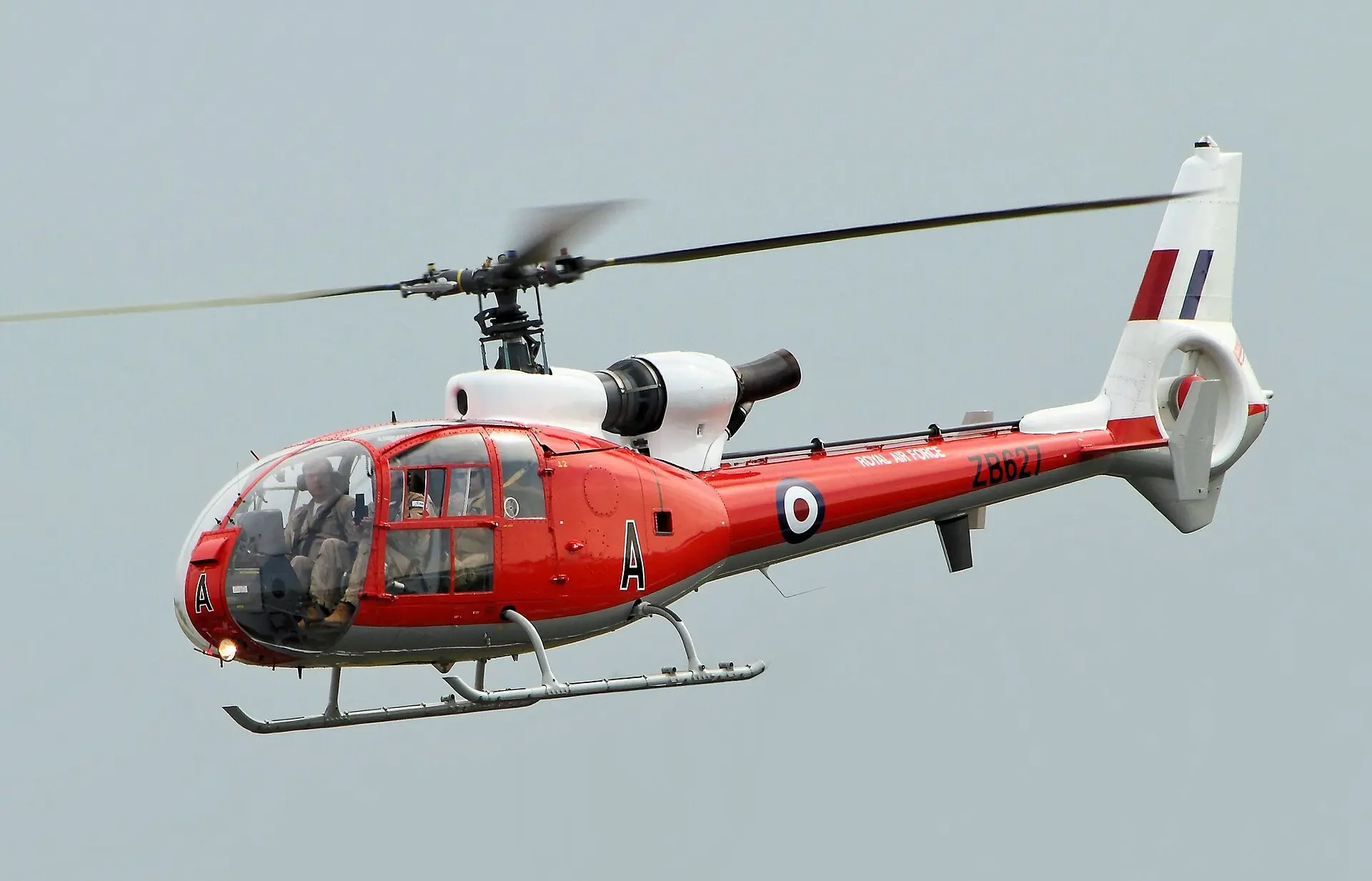
Development
History
The SA 342 Gazelle belongs to a French family of light helicopters developed by Sud Aviation with British Westland participation. Gazelle was conceived as a fast, agile aircraft for liaison, observation, and other duties that did not need a large transport helicopter. The SA 342 designation identifies a version with a more powerful engine than the SA 341. Details about early prototypes and a particular production variant should therefore not be blended together.
The family began in the 1960s. Airbus records that an early Gazelle flew in 1967 and that the second SA 341 prototype, fitted with an enclosed tail rotor, flew in 1968. This ducted rotor became known as the Fenestron and gave the helicopter a distinctive silhouette. It did not make the aircraft immune to accidents or remove ordinary safety rules, but it changed the tail arrangement and shielded the rotor blades from some external contact.
In military service, Gazelle was used for reconnaissance, liaison, and observation over the battlefield. Its small size helped when operating from restricted sites, while cockpit visibility supported the crew's work. Armed versions could support troops or engage armored vehicles. The existence of those versions does not mean every SA 342 carried the same weapons. Equipment depended on the customer, production period, and assigned task.
British service illustrates the design's long life. The British Army's aviation units operated Gazelle from the mid-1970s until its retirement in 2023. During those decades it took on different roles, including reconnaissance, medical evacuation, and training. The British program was not identical to French armed versions: a photograph, designation, or equipment list must be checked against its operator.
Payload and weather limits matter particularly for a light helicopter. Observation quality depends on height, visibility, and crew training; an armed version also needs suitable sights and communications. Good aerodynamic qualities cannot turn Gazelle into a heavy transport aircraft. When comparing performance, readers should distinguish SA 341, SA 342, and national versions instead of using one number for the whole family.
Gazelle left a clear mark through its combination of compact dimensions, speed, and unusual tail design. Its history shows how light helicopters developed from basic liaison aircraft into specialized reconnaissance platforms. For a useful model profile, the key questions are which variant is shown, who operated it, and what mission equipment it carried. Answers to those questions are more informative than a generic list of possible weapons.