
Military helicopters / Wessex
Westland Wessex
The Westland Wessex is a British turbine-powered development of the Sikorsky S-58 that served the navy and air force.
Development
History
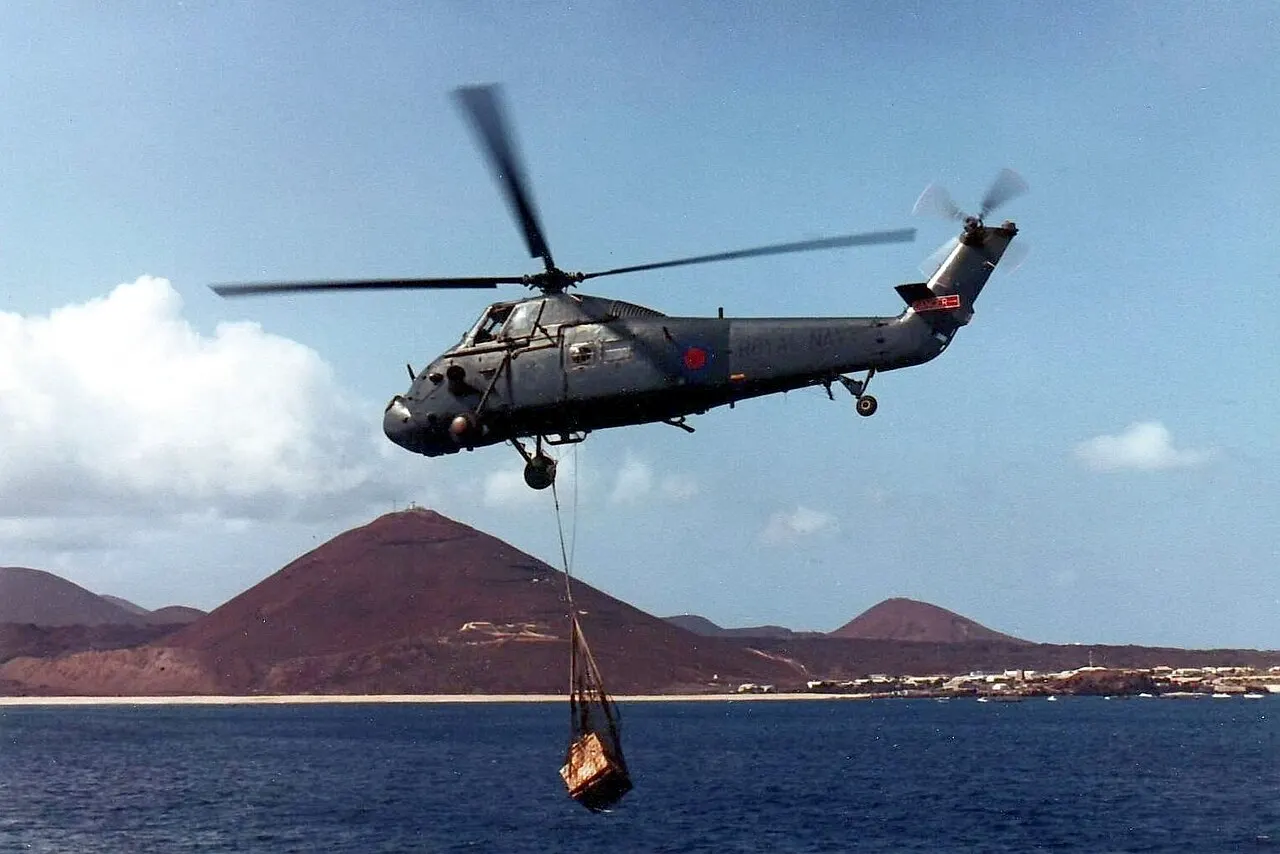
Westland Wessex is a British helicopter derived from the American Sikorsky S-58 but given turbine power and its own service history. The first production aircraft went to the Royal Navy, followed by versions for the Royal Air Force. Wessex thus names a family of maritime, transport, and support variants rather than one unchanging configuration. It should not be treated as mechanically identical to every S-58 from which it developed.
Naval aviation needed an aircraft able to operate from ships and search over water. A helicopter extended a fleet's reach: its crew could investigate an area, move people, or support an operation away from shore. The actual instruments and equipment depended on version and production period. Like other helicopters of its generation, extensive service required skilled crews and careful maintenance in a salty environment.
The Royal Air Force sought a more general-purpose machine. According to the RAF Museum, the Wessex HC2 entered service in January 1964. Its duties included moving troops, ambulance flights, and support to operations on land. Cabin space and the ability to use temporary landing sites were central to that role. The number of people it could carry in practice, however, depended on fuel, equipment, and flight conditions; a handbook seating figure is not a promise for every mission.
The family also included special versions. The Wessex HCC4 for royal transport was based on the HC2 but had a passenger-focused cabin, additional soundproofing, and extra navigation equipment. This clearly illustrates the difference between a common airframe and a particular role. Helicopters that look similar from outside may have different interiors, and a photograph of the ceremonial aircraft does not represent an ordinary military transport variant.
Turbine conversion was an important step in Britain's development of the original American design. Even so, Wessex remained an aircraft of its generation, with range, load, and equipment limited by the technology of its time. Successful operation depended not only on performance figures but also on trained crews, spare parts, and support infrastructure. Later helicopters gradually assumed many of its duties.
Wessex history shows how a basic design could be adapted for naval, air-force, and government transport service. Readers benefit from distinguishing maritime and land-based lines and the special HCC4. A precise variant designation explains why an aircraft was built and why specifications quoted in different sources sometimes disagree. It also helps prevent a feature of one version from being attributed to every Wessex.