
Military transport aircraft / C-212
CASA C-212 Aviocar
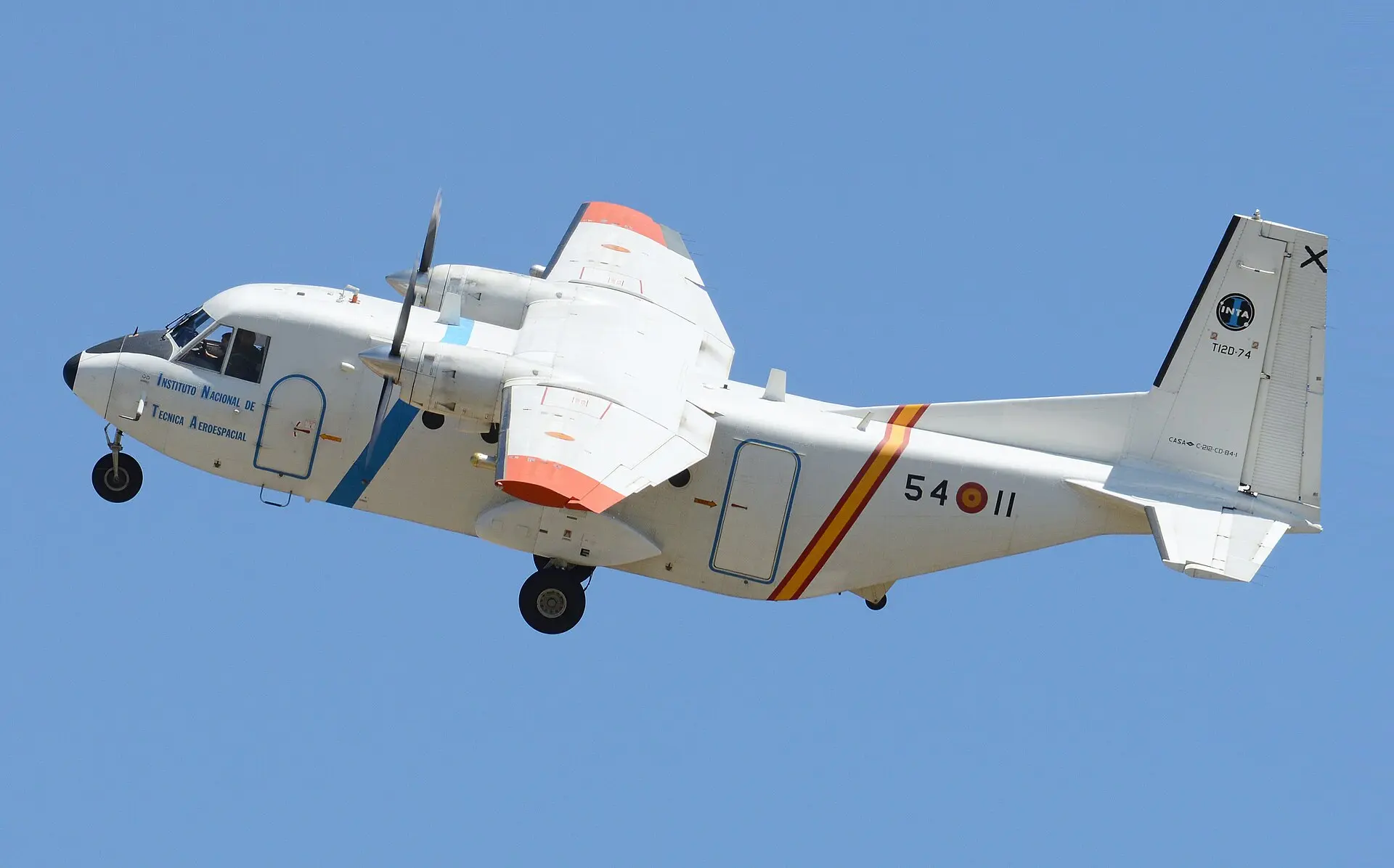
The CASA C-212 Aviocar is a light Spanish transport for short runways and military, civilian and specialist missions.
Development
History
The CASA C-212 Aviocar is a small twin-turboprop transport created in Spain for short routes and airfields with limited facilities. During the 1960s the Spanish Air Force needed to renew its light transport fleet. CASA selected a practical high-wing layout with a roomy fuselage for its size. The aircraft first flew on 26 March 1971. It later attracted users beyond the armed forces, because civilian operators in remote regions needed many of the same qualities.
The C-212 has two turboprop engines and a rear cargo door with a ramp. It is much smaller than a heavy airlifter, but can move a modest group of people or a small load without the expense of a large aircraft. The cabin can accommodate supplies, equipment or medical litters when suitably arranged. Airborne delivery is possible with the necessary fittings and training. Compact size helps at restricted sites, but surface strength, airfield elevation and weather still affect what a flight can safely carry.
After the initial military order, CASA developed civilian versions as well. Aviocars flew regional services, worked for government agencies and performed observation missions. Production in Spain continued for decades, while licensed manufacture was established in Indonesia. The different C-212 series vary in engines, systems and allowable load. This matters when comparing specifications: a number for a late aircraft should not automatically be treated as accurate for the earliest Aviocar.
In military aviation the type performed everyday tasks that rarely make headlines. It moved specialists and spare parts, connected garrisons and supported search or medical flights. Some versions undertook patrol and surveillance work. Flexibility came from the straightforward transport platform: changes to cabin equipment changed the job it could do. A patrol aircraft with sensors and operator positions should still be distinguished from an ordinary freight configuration.
The C-212 shows why a small aircraft belongs in a larger transport network. A giant freighter may bring equipment to a main airport, while an Aviocar can handle a smaller final leg where access matters more than volume. Its long production history reflects demand for this niche. In a military aviation catalogue it represents light airlift that connects military supply, civilian services and specialist government missions.