
Military transport aircraft / C-160
Transall C-160
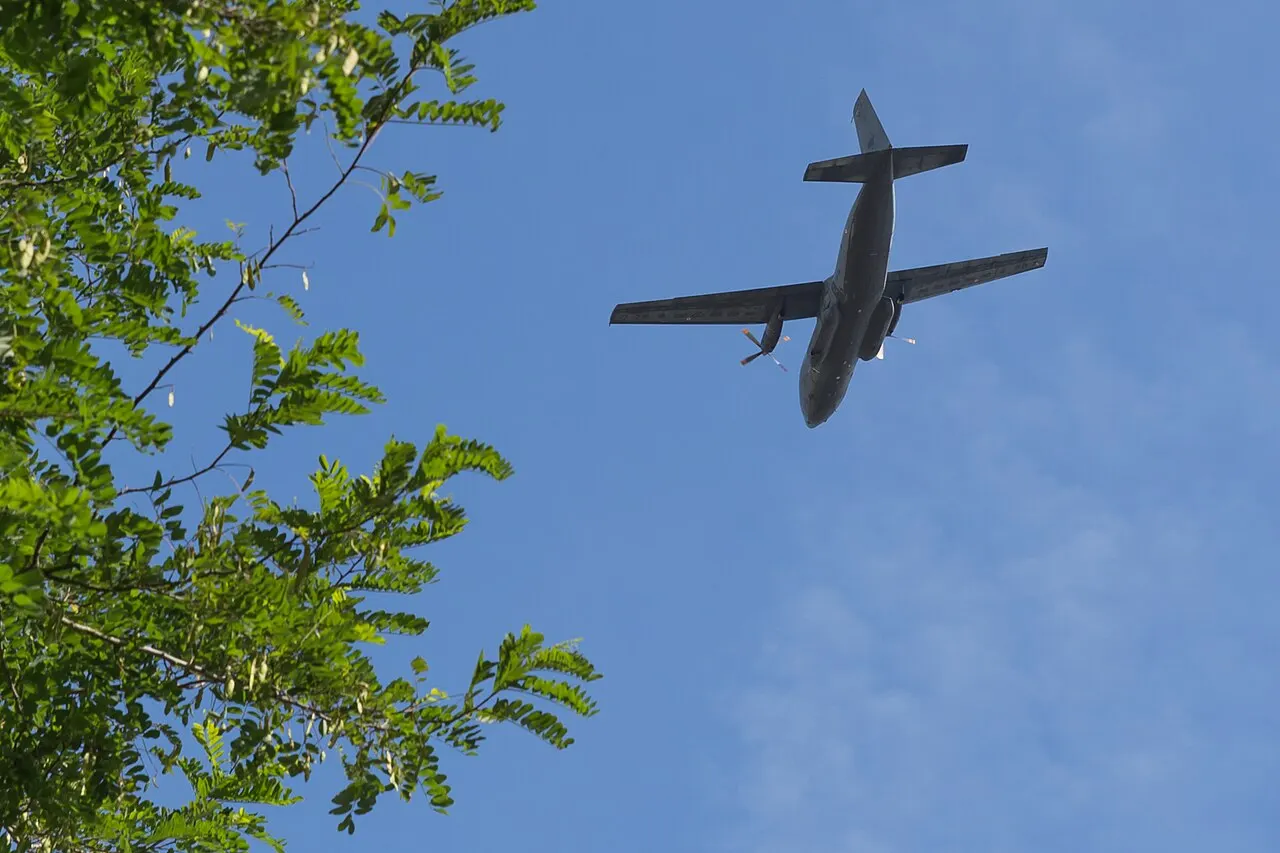
The Transall C-160 was a Franco-German tactical transport with a rear ramp for personnel, supplies and airborne delivery.
Development
History
The Transall C-160 is a twin-turboprop military transport developed by French and West German companies. Its name reflects the consortium behind the programme. In the early 1960s both countries needed a modern airlifter for moving people and supplies between bases, including airfields with limited infrastructure. Joint development divided the industrial effort and produced an aircraft suited to the similar needs of two air forces. The prototype first flew on 25 February 1963.
The C-160 has a high wing, two engines and a rear cargo ramp. This layout leaves useful internal space for equipment, pallets and paratroops. The ramp speeds loading on the ground and supports the airborne delivery of freight. The aircraft was designed for tactical work: cargo needed to reach closer to an operation than a major international airport. Performance at a particular runway depends on weight, weather and surface condition. Planners therefore consider the useful load that can be delivered on a real route rather than a single range figure printed in a brochure.
Production aircraft entered French service in the late 1960s and then joined the German fleet. Versions for different customers varied in systems and equipment. Other countries also operated the type. Its long career encompassed troop movement, parachute operations, supply of remote units and humanitarian flights. For moderate loads, a C-160 could be more practical than a much heavier strategic transport. On short routes, rapid ground handling and the ability to prepare another sortie mattered as much as the speed of the flight itself.
Equipment was updated as the fleet aged. The Airbus A400M became one of the principal successors to the Transall in European airlift. Replacing the aircraft did not remove the requirement it had served. Regular flights between bases and delivery to constrained airfields remain essential. Newer transports provide greater range and payload while continuing a role that the C-160 performed for decades.
The type has two kinds of historical importance. It was a practical tool of everyday tactical logistics and an early example of close French-German industrial cooperation in military aviation. Its career also shows that a transport aircraft should not be judged only by records or maximum load. The more significant achievement is the ability to complete countless ordinary but necessary flights in changing climates and operating conditions over many years.