
Military transport helicopters / W-3
PZL W-3 Sokół
The PZL W-3 Sokół is a Polish twin-engine utility helicopter used for transport, rescue, and military missions.
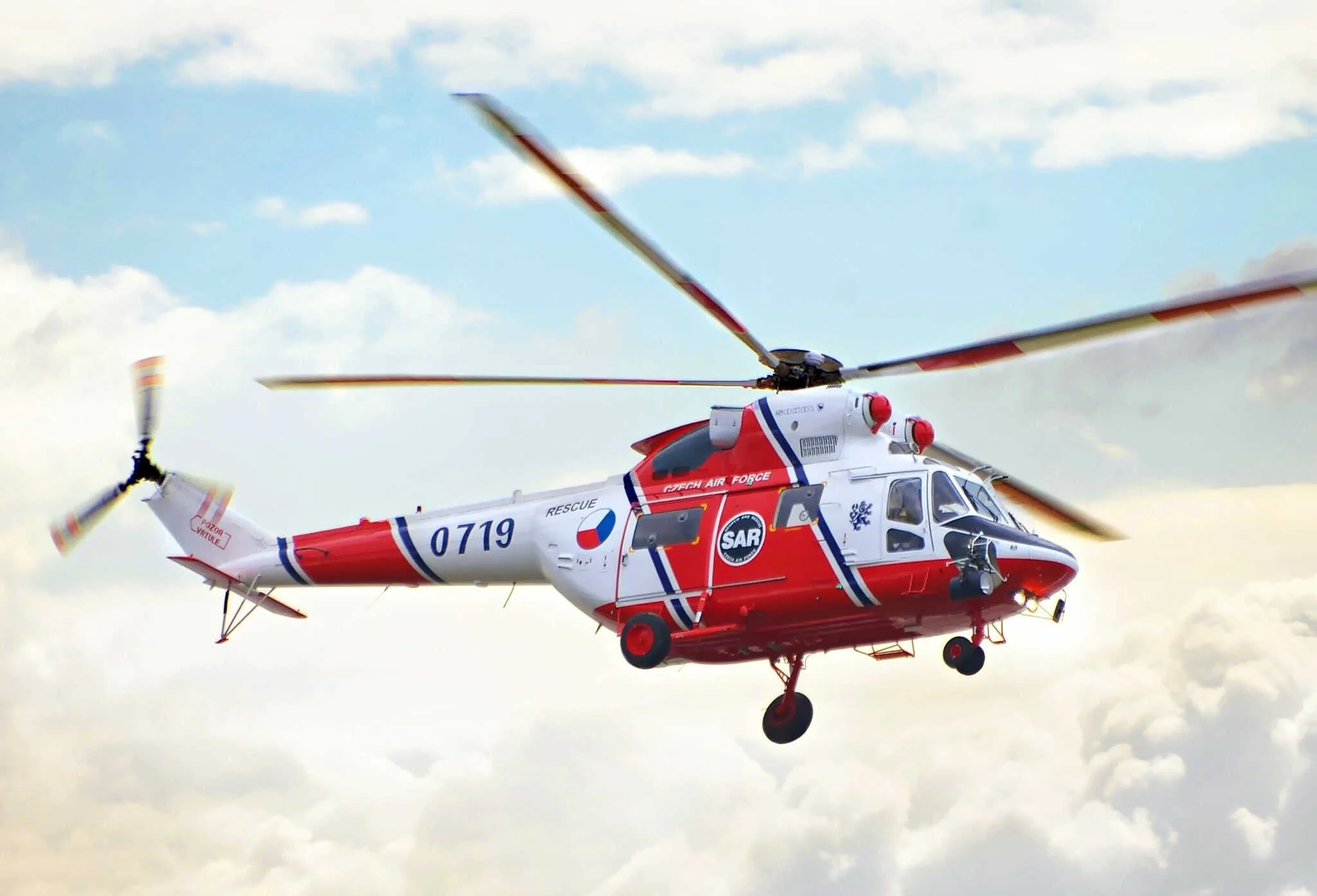
Development
History
The PZL W-3 Sokół is a Polish multirole helicopter built at the Świdnik factory. It occupies a position between small liaison aircraft and heavier transport helicopters. Two engines and a useful cabin allowed versions for the armed forces, rescue agencies, and civilian operators. The name Sokół covers different modifications rather than one unchanged configuration throughout its service life.
The Polish armed forces identify land forces, aviation, and naval units among W-3 users. Aircraft carry people, deliver equipment, and perform rescue work. Some versions can support troops, but that does not turn every transport Sokół into an attack helicopter. The installed equipment, crew training, and limits of a particular landing site must be considered.
Naval service illustrates how the family developed. Polish naval aviation says its first transport W-3 entered a unit in 1989. Rescue-configured W-3RM Anakonda aircraft followed operational experience. Saving people at sea needs more than a conventional passenger cabin: crews require an organized search, suitable equipment for casualties, and coordination with vessels and shore teams.
The usefulness of a transport flight depends on payload and conditions. Fuel and mission equipment reduce the cargo that can be carried. A rescue flight also depends on the distance to the search area, weather, and the ability to hover safely. Thus a published top speed cannot replace an explanation of the real assignment. One number without its conditions can create a misleading impression.
In transport service the W-3 Sokół combines the movement of people and freight with rescue flying. Polish naval aviation received its first transport example in 1989 and subsequently introduced specialist rescue versions. Each assignment requires a clear cabin configuration and an assessment of the landing area.
W-3 matters to Polish helicopter history as a domestic platform adapted to several public missions. A precise profile distinguishes basic transport, rescue, and armed versions. This explains why photographs of outwardly similar aircraft can carry different role descriptions, and why the capabilities of one modification cannot simply be assigned to all the others.