
Aircraft
Boeing delivers its 200th 737-800BCF: how passenger aircraft become freighters
Texel Air received the 200th Boeing 737-800BCF. What a freighter conversion changes: the deck, cargo door, restraint systems and loading limitations.
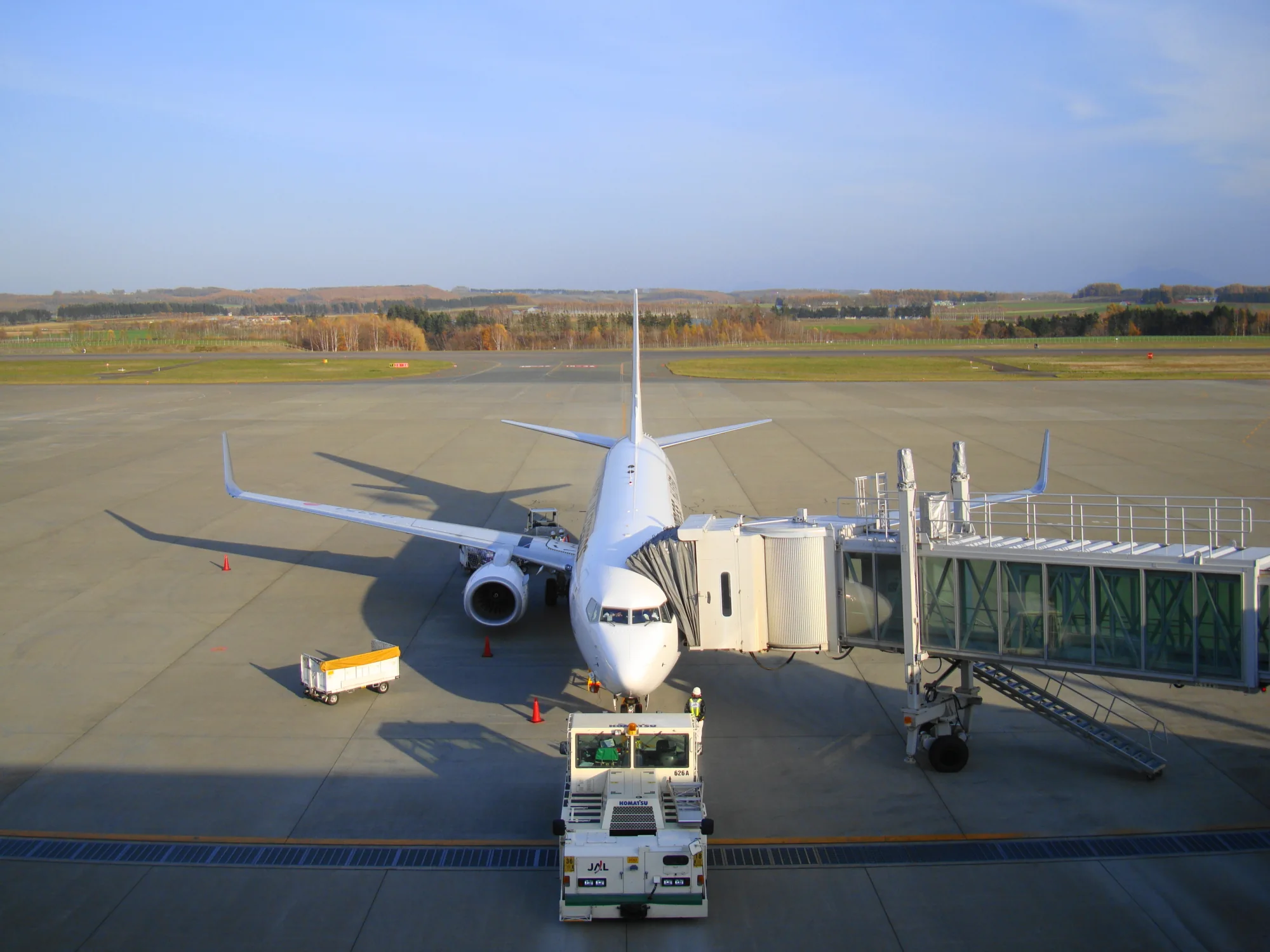
An archival photograph of a passenger Boeing 737-800, the type used as the conversion platform. It does not show Texel Air’s milestone freighter.
The Boeing 737-800 Boeing Converted Freighter program has reached the milestone of 200 aircraft delivered. The milestone aircraft, registered ZK-TXH and named Florence, was presented in Auckland on October 10, 2026. The aircraft is destined for Texel Air and transferred through the leasing company BBAM. This is another example of how a passenger aircraft receives a new purpose after conversion.
The announcement has significance at two levels. For the operator, another aircraft adds cargo capacity. For the conversion programme, it marks another step in turning the passenger 737-800 into a freighter. The figure of 200 applies specifically to the 737-800BCF, rather than every Boeing 737 freighter produced under all conversion programmes.
What does the BCF designation mean?
The abbreviation BCF stands for Boeing Converted Freighter. In this case, we are talking about the 737-800 aircraft, which was originally created for passenger transportation, and then was modified to work with cargo. It cannot be considered a new aircraft just because the cargo configuration has recently appeared in the documents and on the operator's lot.
The conversion retains a significant part of the original aircraft, while simultaneously changing its purpose and the structure of the main deck. This allows the existing fleet to be used in a different role. At the same time, the technical history of the aircraft does not disappear: accumulated hours, cycles and work performed remain part of the condition assessment. The new feature does not reset the age of the structure or cancel future maintenance.
From program launch to delivery
Boeing announced the launch of the 737-800BCF program in February 2016. The first deliveries took place in 2018. Therefore, the tenth anniversary of the program in 2026 is counted from the announcement of the project, and not from the ten years of operation of the first delivered cargo aircraft. Separating these dates is important to properly understand the pace of development of the program.
The round mark by itself does not indicate how many aircraft have been converted over the past year or how many aircraft are in flight every day. Such conclusions require separate data on deliveries, operations and downtime. The anniversary indicates the accumulated volume of completed conversions. This is a notable industrial result, but it does not replace a detailed picture of the state of the freight market.
Why removing the seats is not enough
The passenger cabin is designed for a specific placement of people, equipment and hand luggage. A cargo pallet creates different loads and requires different methods of fastening. Therefore, turning the aircraft into a full-fledged cargo version includes changing the floor structure and installing a cargo handling and securing system. An empty passenger cabin in itself does not yet become a cargo deck.
Load distribution is of great importance. Two loads of the same mass can have different effects on the floor if the support area and placement method differ. It is necessary to take into account not only the total weight, but also the position of each load unit. The conversion engineering design creates the intended design and documented constraints for such operation, and the ground crew then operates within these limits.
Why install a large cargo door?
A regular passenger door is inconvenient for large pallets and containers. On the cargo version, a special opening appears on the main deck through which prepared cargo units can be supplied. Since this is a major change to the fuselage, such a door is part of the engineering design, and not just a wider entrance cut out instead of several windows.
The cargo door also has to work with ground-handling equipment. Loader height, equipment dimensions and access to the parking stand affect the efficiency and coordination of loading. An aircraft’s ability to carry cargo does not mean every airport can handle it. The airborne part of the journey depends on ground infrastructure more closely than a photograph of the finished freighter suggests.
Pallets, volume and payload
Cargo capabilities cannot be expressed in just one number in tons. Packages may be relatively light, but take up a lot of space; a dense heavy load, on the contrary, is able to reach the mass limit before the available volume is filled. Therefore, the operator evaluates the geometry, weight, placement and compatibility of the load with the selected loading pattern.
Texel Air’s published 737-800BCF specifications give a payload of 22,712 kilograms and several pallet arrangements. Those are the operator’s stated figures and should not automatically be equated with maximum structural payload figures appearing in other programme descriptions. Understanding any difference requires the calculation assumptions, equipment weight and methodology, rather than simply selecting the highest number.
Why is a cargo flight priced on a specific route?
The permissible payload also depends on the fuel required for the flight. Over a long section, more of it will be needed, and the total weight of the aircraft is limited. Additional conditions are created by weather, airfield characteristics and planned alternate options. Therefore, the catalog load capacity is not a promise to transport the same weight over any distance.
For a logistics company, the answer to a more practical question is important: what kind of cargo can be delivered between the required points in the required time frame. Sometimes volume is decisive, sometimes mass, and sometimes time of processing on the ground. This is why working with a specific route is more useful than comparing aircraft only by the maximum number of pallets or range from a short advertising table.
The place of a narrow-body aircraft in the cargo network
The narrow-body cargo aircraft occupies its own niche between small delivery aircraft and large intercontinental cargo aircraft. It can be used for transportation between sorting hubs and airports in the regional network. A suitable size allows you to plan the frequency of trips for certain flows, without collecting the volume for a much larger aircraft each time.
However, there is no universally best capacity. If there is not enough cargo, an oversized aircraft may fly with empty capacity. If the flow grows, the small one will require additional flights. The decision depends on the schedule, departure structure and available airports. The arrival of another 737-800BCF adds an operator's fleet option, but does not in itself determine future commercial load.
Why are the lessor and the operator different participants?
In the history of the milestone aircraft, BBAM and Texel Air are named. These companies perform different roles: one is involved in providing the aircraft through leasing, the other organizes its operation. This division helps to understand why a message about the transfer of an aircraft can simultaneously mention several organizations, although during the flight the passenger or observer sees the name of one carrier.
To evaluate the news, it is important not to turn each mentioned agreement into a separate order for a new aircraft. Delivery, leasing, inclusion in the fleet and the start of regular operation can be different stages in the fate of one aircraft. The registration number helps to link them together. In this case, ZK-TXH identifies a specific aircraft, and the number 200 indicates its place in the conversion program.
Conversion still requires careful selection of the original aircraft
Not every passenger aircraft becomes an equally attractive candidate for conversion. The technical condition, completeness of documents, operating history and upcoming work are important. The ability to obtain a cargo configuration must be compared with the cost of the original aircraft and its further maintenance. Age in years is only one part of this assessment.
Timing also influences the decision. While the aircraft is undergoing refurbishment, it does not operate commercial flights, and after completion of the work, commissioning has yet to be organized. Therefore, conversion is an industrial and operational project. Its result is assessed by the aircraft’s ability to carry out the required transportation, and not just by the appearance of a cargo door and a new paint job.
What the 200th delivery tells us
The anniversary delivery confirms that the 737-800BCF has become a sustainable way to transition the passenger platform into a cargo role. Florence relates this overall result to the specific operator and shipping challenges from New Zealand. However, new routes, flight frequencies or financial results cannot be derived from a single event unless such information is separately announced.
The technically significant part of the announcement is how extensively an existing aircraft is changed. Its main-deck arrangement, cargo access, restraint systems and operational purpose all change. Behind the familiar Boeing 737 outline is a different working aircraft. Understanding that conversion is more useful than simply repeating the delivery milestone.