
Aircraft
C929: Hong Kong joins certification cooperation
Hong Kong is participating in joint work on the C929. What type certification covers, and why a working meeting is different from issuing a certificate.
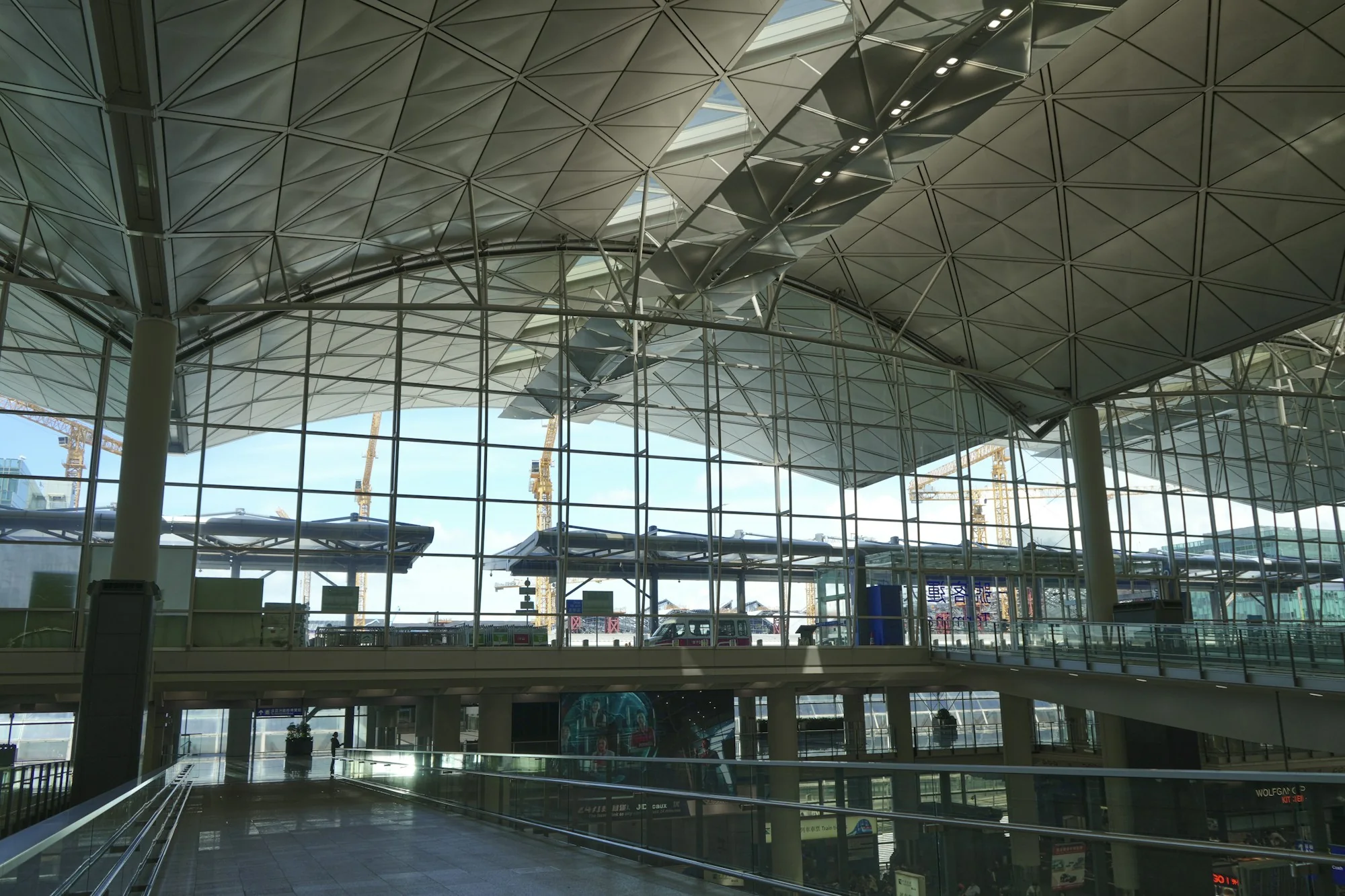
Terminal 1 of Hong Kong International Airport. An illustration of Hong Kong's involvement in civil aviation.
On October 21, 2026, a joint C929 certification meeting was held in Shanghai with the participation of the aviation authorities of mainland China, Hong Kong and Macau. It builds on the cooperation agreement signed in April. The stated size for the program is about 290 passenger seats and a range of about 12 thousand kilometres. These are design guidelines. The holding of a meeting and the creation of working groups does not mean the issuance of a type certificate or permission to begin commercial operations on a new aircraft.
For a large aviation project, regulatory coordination is a task in itself. The developer must demonstrate compliance with the requirements, and the reviewing organizations must agree on the procedure for reviewing the evidence. As a result, not only meeting minutes appear, but also a structure for further work. To evaluate the C929 news, it's helpful to understand what issues the certification addresses, how it differs from a test flight, and why the stated performance should be read as development goals for now.
What does the type certificate confirm?
Type certification refers to the aircraft design and the established basis for its verification. The process considers systems, strength, characteristics, limitations and other elements that affect safe operation. The developer presents calculations, tests and documentation. The regulator assesses whether there is sufficient evidence to confirm compliance. This is consistent work in many areas, and not one final event at which the aircraft is assigned a general status without technical grounds.
It is useful to distinguish a typical design from a specific instance. Even when a family has the required certification, each aircraft produced must conform to the approved configuration and applicable conditions. The operator then needs its own operation and maintenance processes. Therefore, the path from project to scheduled flight involves several different levels of confirmation. The type certificate is an important part of this journey, but does not replace the organizational readiness of the airline or the documentation of the individual aircraft.
Why are joint working groups needed?
A large project addresses issues that require different specializations. Structural strength, software and passenger environment are not tested in the same way. Working groups help distribute topics, identify participants, and coordinate the exchange of information. This allows you to discuss specific technical materials with those specialists who are responsible for the relevant area. Establishing such an order is especially important if several departments interact in the project.
Working together does not mean automatic recognition of any result by all countries of the world. Each regulator has its own powers and applicable procedures. A distinction should be made between participation in the review of the project, agreement on the technical approach and the issuance of a specific document. In the case of C929, the published message refers to cooperation and further organization of work. It would be premature to draw a conclusion from it that the entire check has been completed or that the aircraft is ready to fly on any international routes.
Calculations and tests
Some design properties are first assessed by calculation methods and then confirmed by tests. The test piece can be used to test a single component or a large part of the aircraft. It is convenient to create conditions on the stand that are difficult to reproduce in a normal flight. Flight tests provide other information: the behavior of the entire aircraft in motion and the interaction of systems in a real environment. These methods complement each other, so no one spectacular flight replaces the entire volume of confirmation.
Let's imagine a hypothetical change in a system element. It may improve one characteristic, but require re-evaluation of interactions with neighboring devices. In this case, controlled configuration is important: specialists must know exactly which version was tested and what conclusions apply to it. Without this connection, the results are difficult to use in the future. Certification work therefore involves not only conducting tests, but also carefully managing the evidence, changes and limits of applicability of each result.
What the seat count and range figures mean
The number of seats depends on the interior layout. The same aircraft can have different classes of service, distances between rows and a set of service areas. Therefore, the dimension of about 290 seats describes the benchmark of the program, and not the mandatory number of passengers on each future aircraft. Airlines may have different requirements for galleys, luggage capacity and front class space. Such solutions change capacity even without changing the basic geometry of the fuselage.
Range also requires conditions. Payload weight, fuel reserves, wind and reserves all affect a particular flight. The design value allows us to understand which transportation segment the developer is targeting. But it is not a ready-made schedule and does not guarantee the transportation of a full commercial load over any distance within the specified figure. Accurate planning requires approved characteristics and operational data that relate to a specific aircraft version and flight conditions.
Why does a wide fuselage change the task?
Two passages create a different organization of passenger space. They allow traffic to be distributed throughout the cabin, but add requirements for service coordination, equipment placement, and evacuation patterns. Large capacity is associated with the volume of baggage, water, food and ground handling. Therefore, the design of a long-range wide-body aircraft involves many interrelated decisions. Increasing the size is not enough: weights, energy consumption, thermal conditions and access to equipment for maintenance must be coordinated.
A long flight also changes the way cabin systems are used. Lighting, ventilation, aeromedical facilities and entertainment equipment work for many hours at a time. Their convenience is important for the passenger, and reliability and maintainability are important for the operator. In the event of a failure, a clear diagnosis and a prescribed course of action are required. Such tasks exist for various long-distance projects. They explain the scope of development, but are not statements about specific C929 solutions that have not yet been published or confirmed.
From certificate to operation
Once the design has been confirmed, work on type support continues. The carrier needs trained crews, technical documentation, spare parts and service organization in its network. The further the route is from home base, the more important pre-arranged support is. If a plane is delayed at another airport, the ability to find the right resource affects the restoration of the schedule. Therefore, commercial suitability is determined not only by the range and seats, but also by the entire operation support system.
For the new family, this system is developed along with the first operators. It is necessary to collect experience, analyze emerging issues and correctly communicate changes to users. Delivery, training and service must be coordinated. A good performance claim remains important, but the airline also evaluates how the aircraft will perform over the years. That is why it is useful to read news about certification, production and support separately: each describes its own part of the readiness of a new product.
How to evaluate the following reports about C929
Meaningful progress can be distinguished by specific results: completed tests, confirmed characteristics, approved documents and prepared production processes. In this case, consistency should be maintained. Signing an agreement creates a framework, a working meeting organizes actions, and technical confirmation requires its own set of evidence. This scale helps to understand the meaning of each news story without trying to turn an intermediate event into the final result of the entire program.
The meeting in Shanghai is important as a development of coordination around C929. It clarifies the organizational side of the upcoming certification work, but does not indicate the start date of regular operation. For the reader, the key distinction is between design goals and a proven state. Maintaining this boundary allows you to follow the program accurately: to notice the real steps, understand their purpose and not attribute permissions, characteristics or commercial capabilities to the aircraft that have yet to pass the required checks.
Model on display and test aircraft
The exhibition model helps to show the general idea of the project, but is not a flying specimen. Its proportions and coloring do not confirm the final production configuration. To assess real progress, the caption of the image is important: what exactly is presented and what stage the shown object belongs to. This is especially important for the family of passenger aircraft still under development.