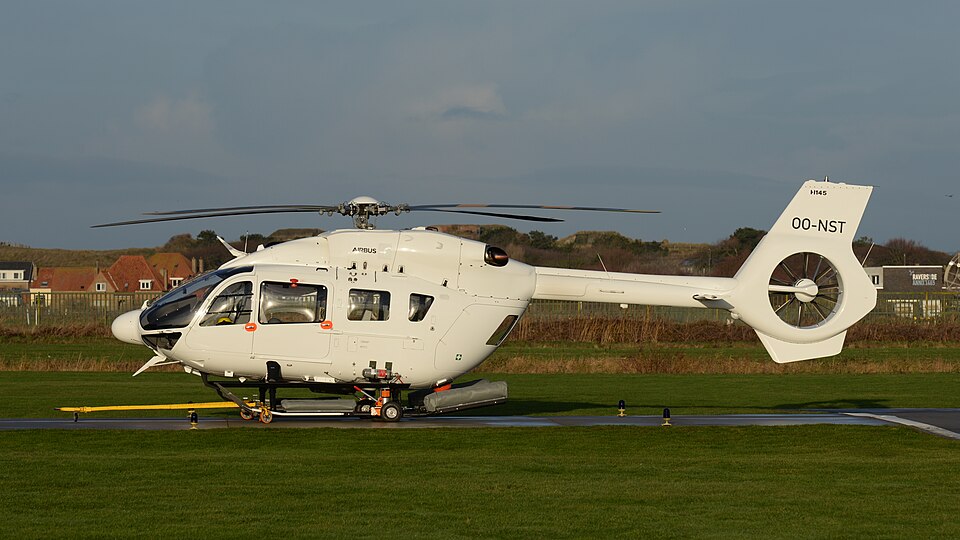
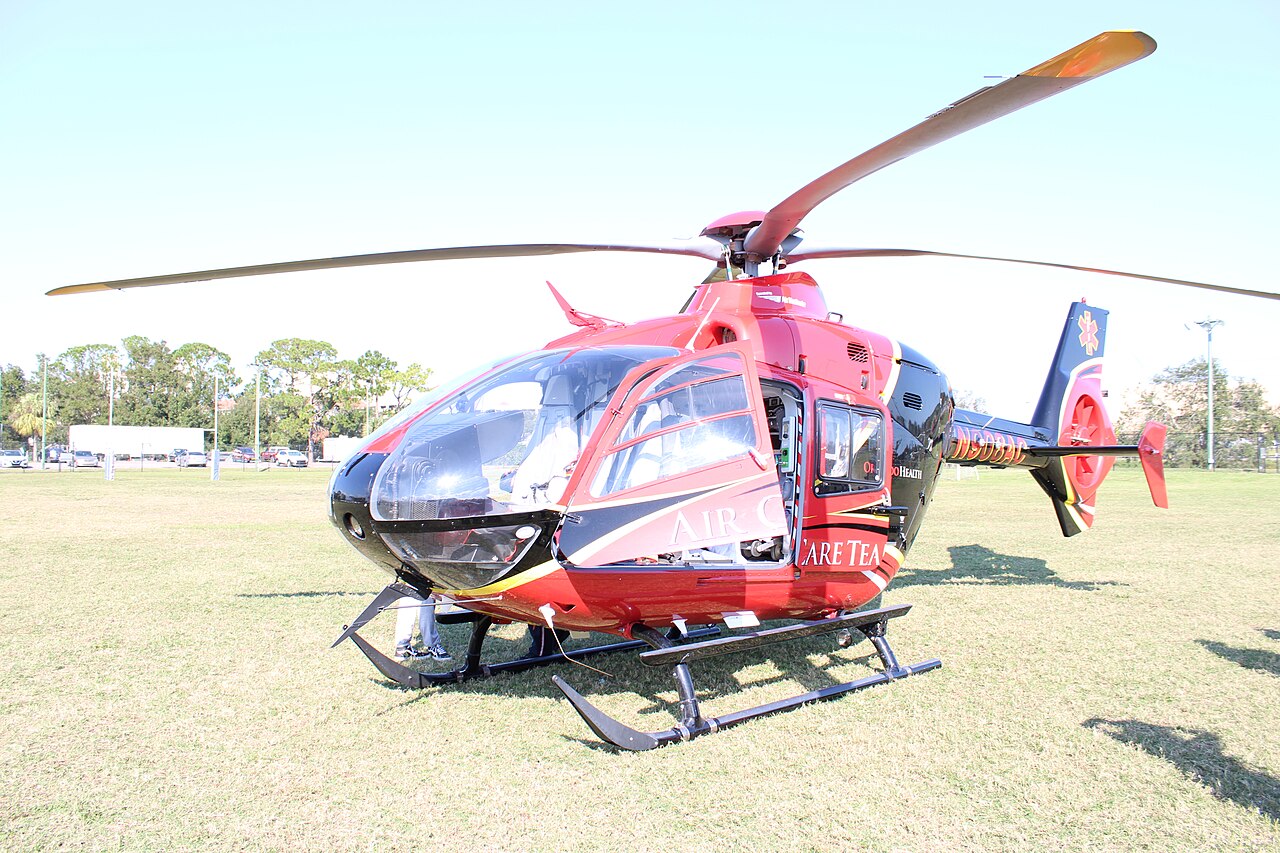
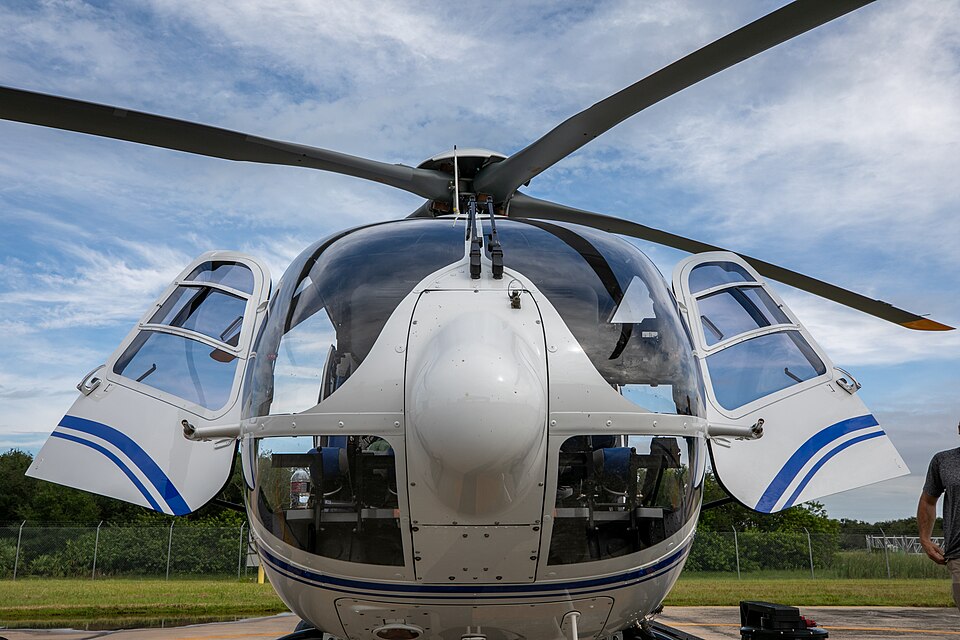
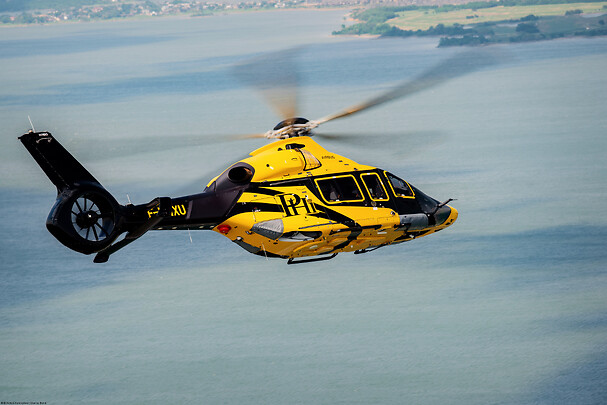
The H145 is appreciated for its combination of two engines and a flexible cockpit. In the same family there are sanitary, rescue, passenger and corporate performances.
The history of the H145 is linked to the BK117 line. Modern versions have significantly changed the rotor and equipment, so the year, version and documents of a particular machine are more important than the general name in the catalog.
Choosing the H145 for passengers, it is useful to travel the route from the site door to the chair: the height of the entrance, space, luggage and noise form a real impression. For the professional task, other options will come to the fore.
02 / Manufacturer data
Specifications and uses
The H145 is revealed through flexibility: the capacious cabin can work with passengers, rescuers or medical equipment. For comparison, the generation and the real layout are important.
Engines
2 × Safran Arriel 2E
Maximum takeoff weight
3 800 kg
Passengers
Up to 10
Tight layout
Cruising Speed
241 km/h
Range
650 km
Endurance
Up to 3 h 35 min
Cabin volume
6.03 m3
Diameter of the rotor
10,8 m
Airbus, technical information H145. The number of passengers refers to the dense layout, not to the corporate ACH145.
From BK117 to today's H145
The history of the family is associated with the joint line BK117. In later versions, there were changes in the rotor and equipment; one H145 photo does not show all the differences of the generation.
For the operator, this is a matter of a specific certificate, the availability of spare parts and training. For the passenger, the differences will manifest in the layout, vibration and access to the cabin.
Space for the task
The cabin of 6.03 m3 allows for a wide range of accommodation of people and equipment. Medical modules and corporate chairs occupy this space in different ways, so the maximum from the table is not transferred to each machine.
When choosing between H145 and ACH145, it is important to request the drawing of the selected interior and the calculation of the mass on the desired route.