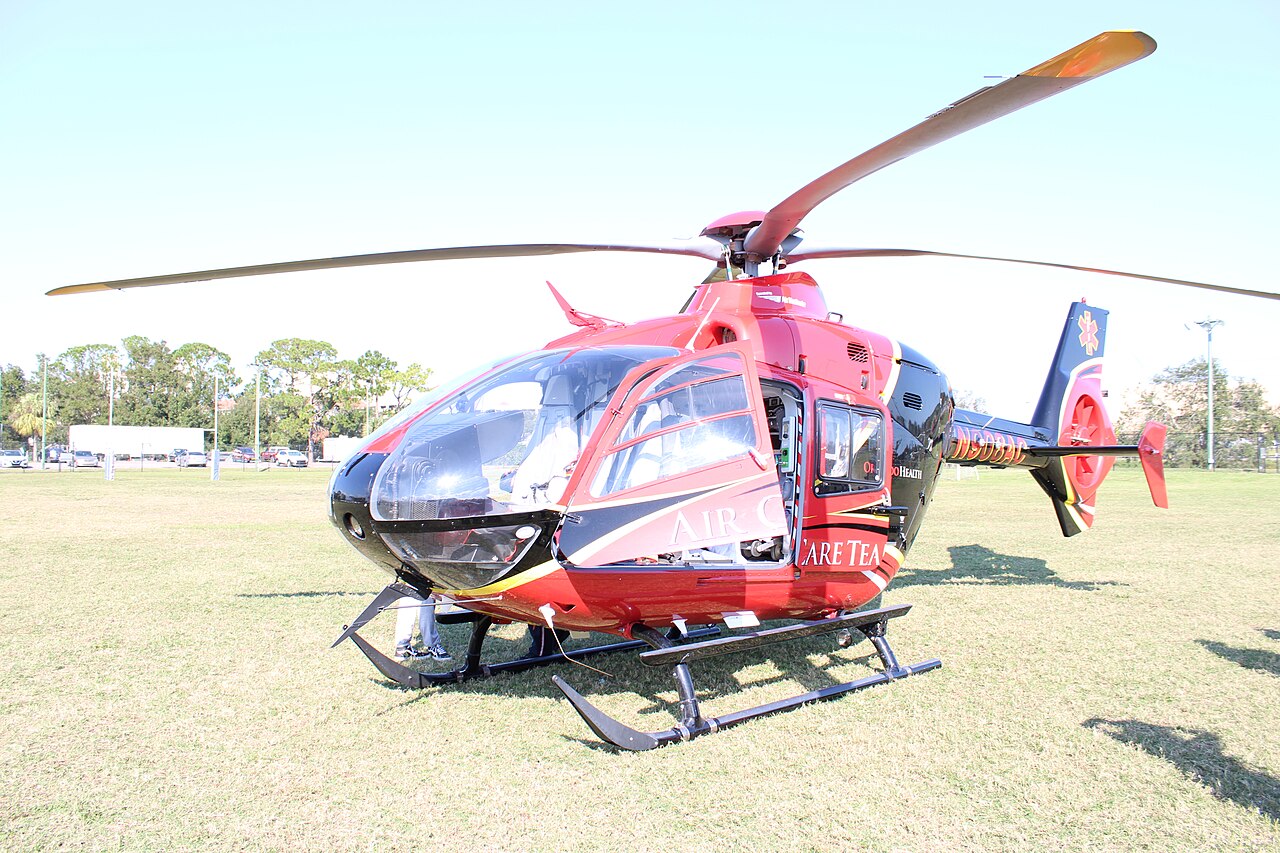
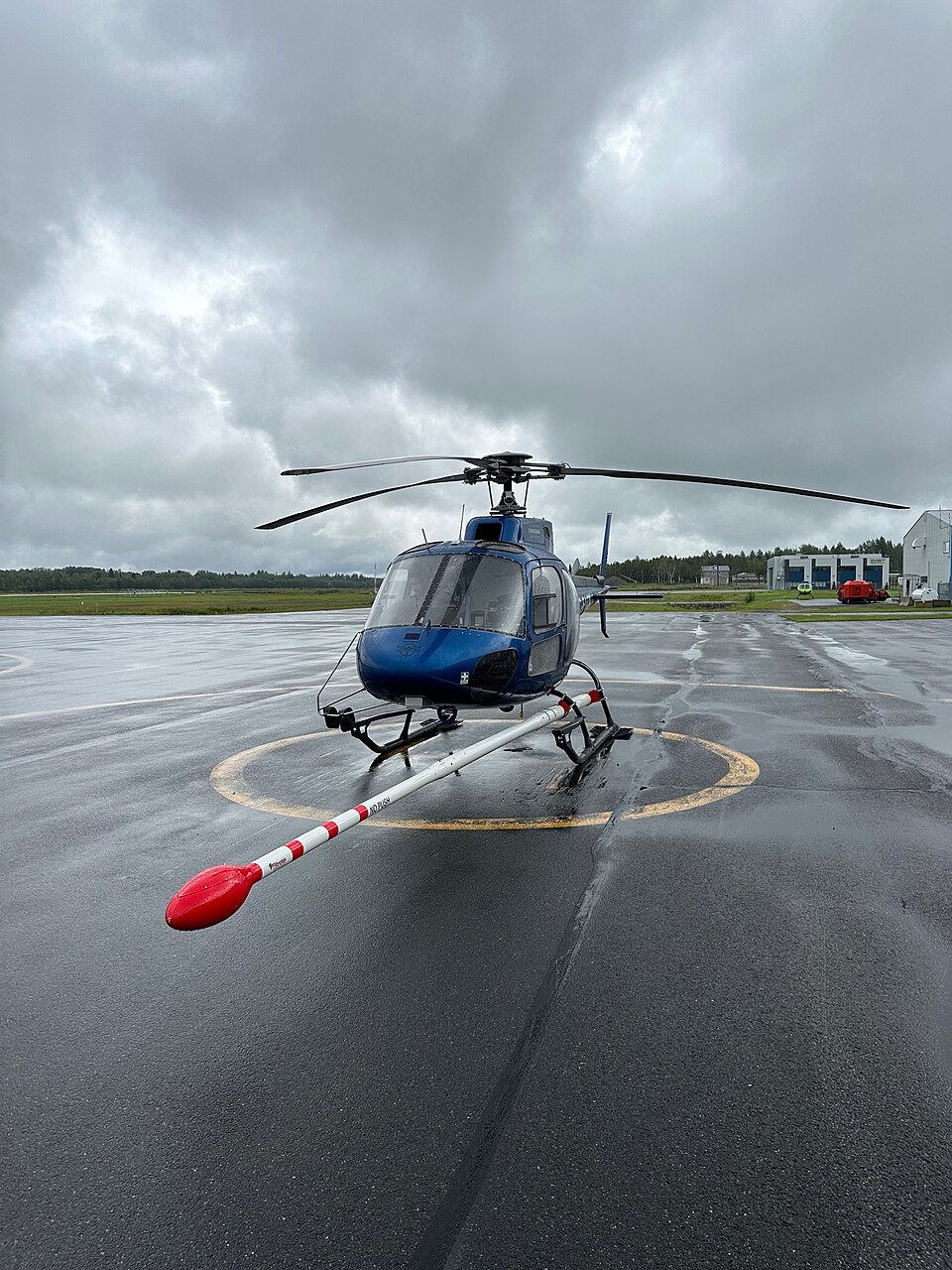
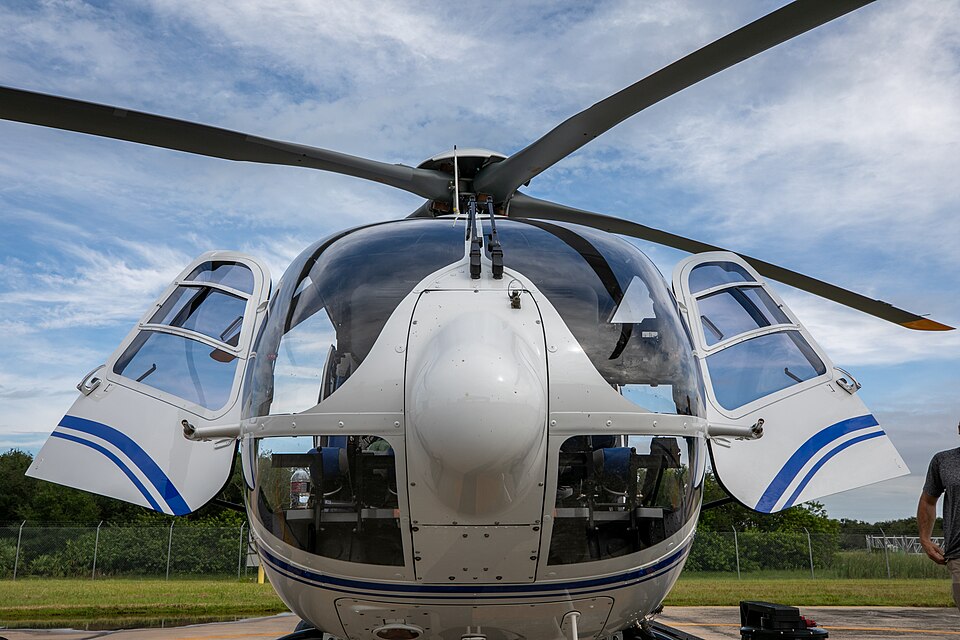
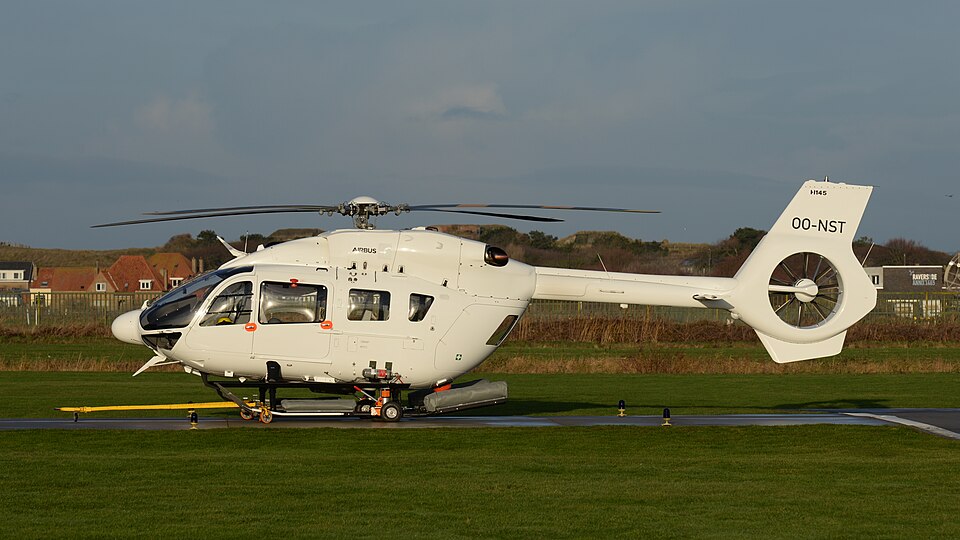
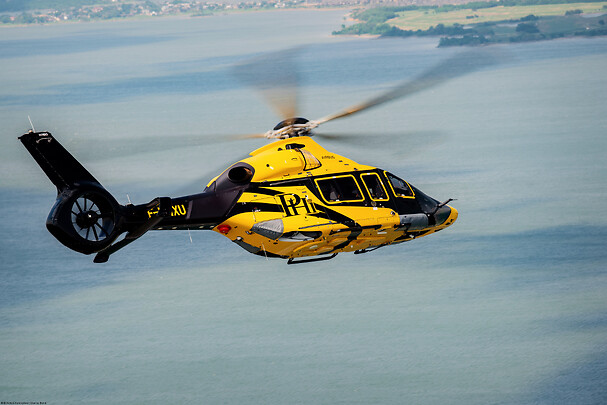
The H130 is chosen where the flight itself is part of the experience: panoramic glazing and a spacious passenger cabin make it noticeable in the excursion segment.
The model refers to the lightweight single-engine Airbus. Compared to the H125, the emphasis here is more likely to shift from utilitarian work to passenger comfort and review. These are different scenarios even within the same manufacturer.
When assessing a tourist or private program, look at what the passenger sees from each place, how the boarding is organized and how much luggage remains after the cabin is full. Beautiful windows do not replace the calculation of the route.
02 / Manufacturer data
Specifications and uses
The H130 is designed for passenger impressions: the view and spaciousness of the cabin are noticeable already when landing. It is important to remember that this is a lightweight single-engine car with route-dependent limitations.
Engine
1 × Safran Arriel 2D
Maximum takeoff weight
2 500 kg
Passengers
Up to 7
Plus the pilot
Cruising Speed
237 km/h
Range
606 km
Endurance
Up to 4 hours
Cabin volume
3,7 m3
Steering Screw
Fenestron
Airbus, technical information H130. The manufacturer also publishes indicators for individual configurations; the calculation of the flight depends on the mass and weather conditions.
Cabin for sightseeing flights
Wide glazing and a roomy cabin for its class explain the presence of the H130 in excursion aviation. When choosing seats, it is useful to check the view from each seat and how passengers pass to the exit.
ACH130 creates a different passenger experience on the same platform due to the trim and seats. In the base H130, the composition of the seats and the equipment are determined by the operator's task.
What changes the route
Seven passenger seats do not mean that at each departure you can simultaneously take seven people, full luggage and a maximum of fuel. The weight limit is calculated for a specific machine and site.
Especially on routes over water or the city, rules for a single-engine helicopter, spare areas and equipment requirements are checked in advance.