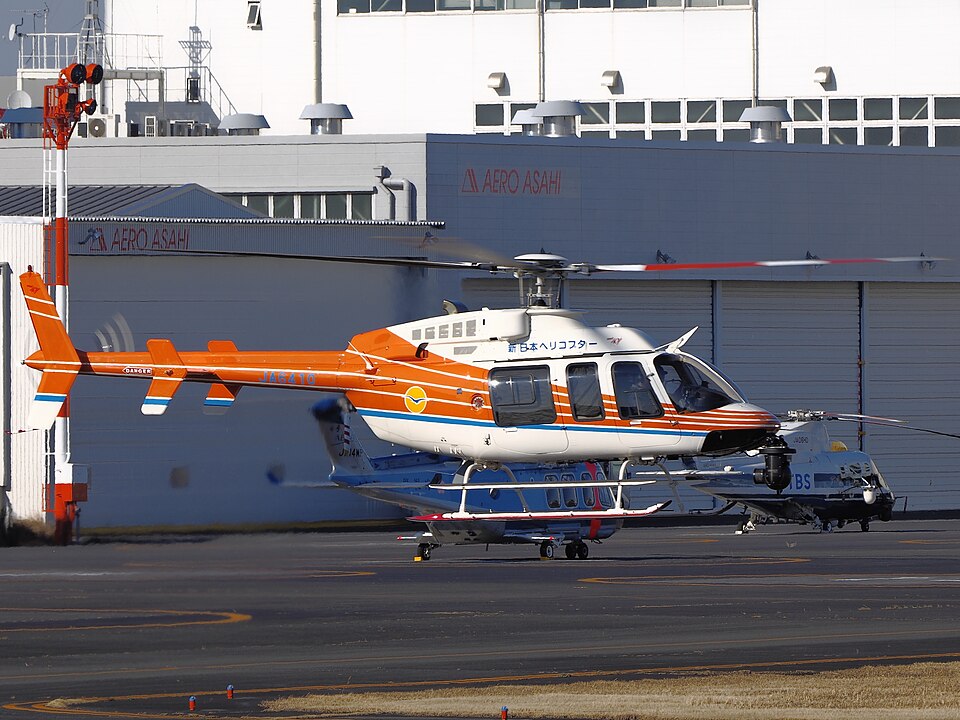
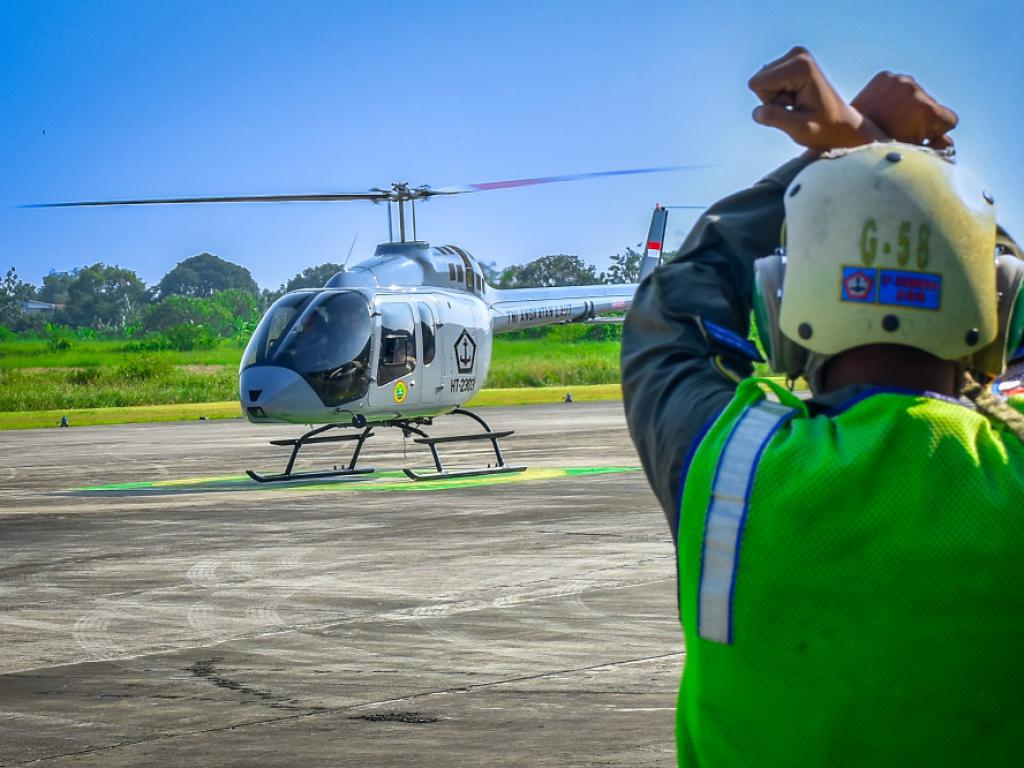
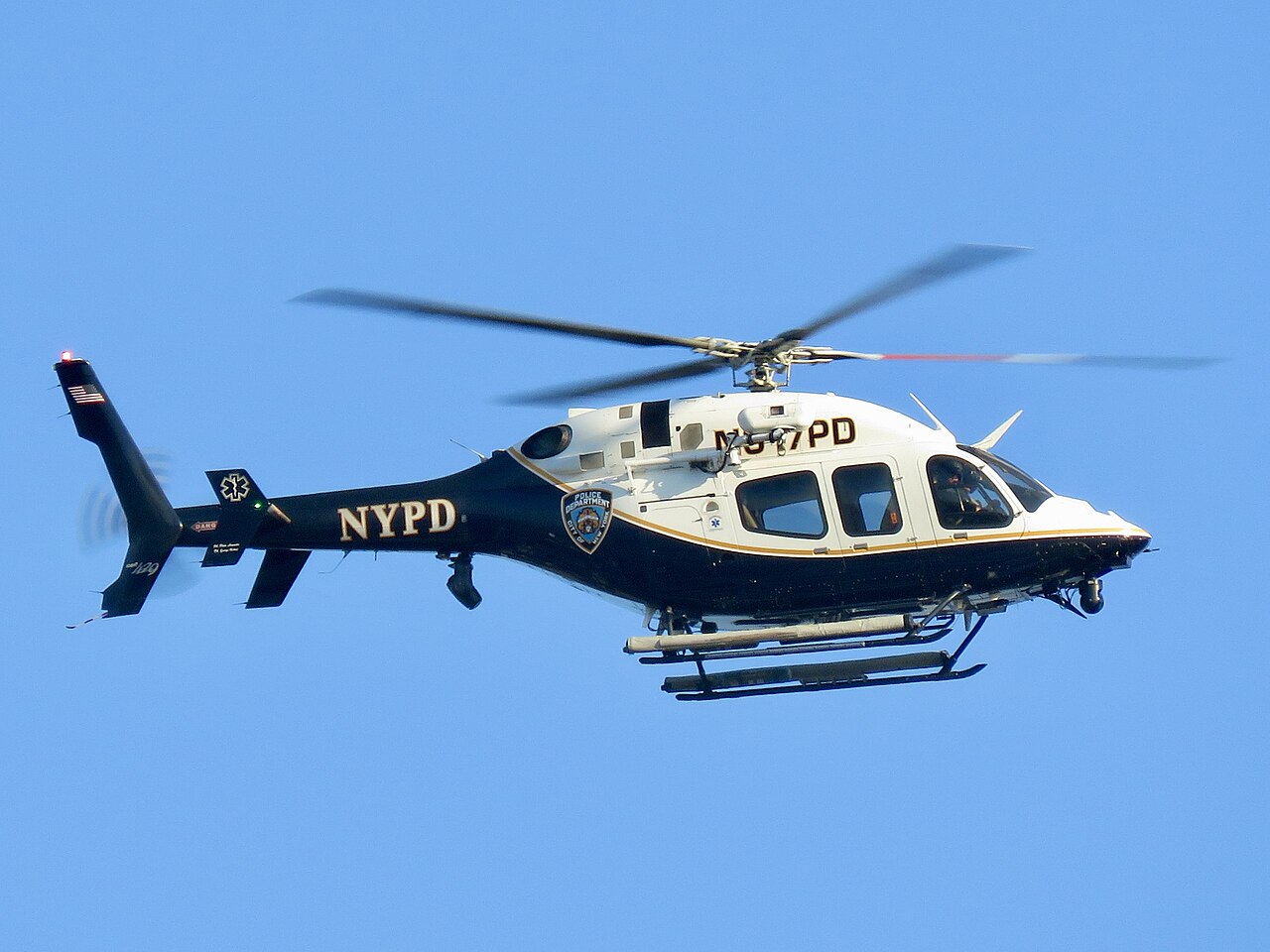
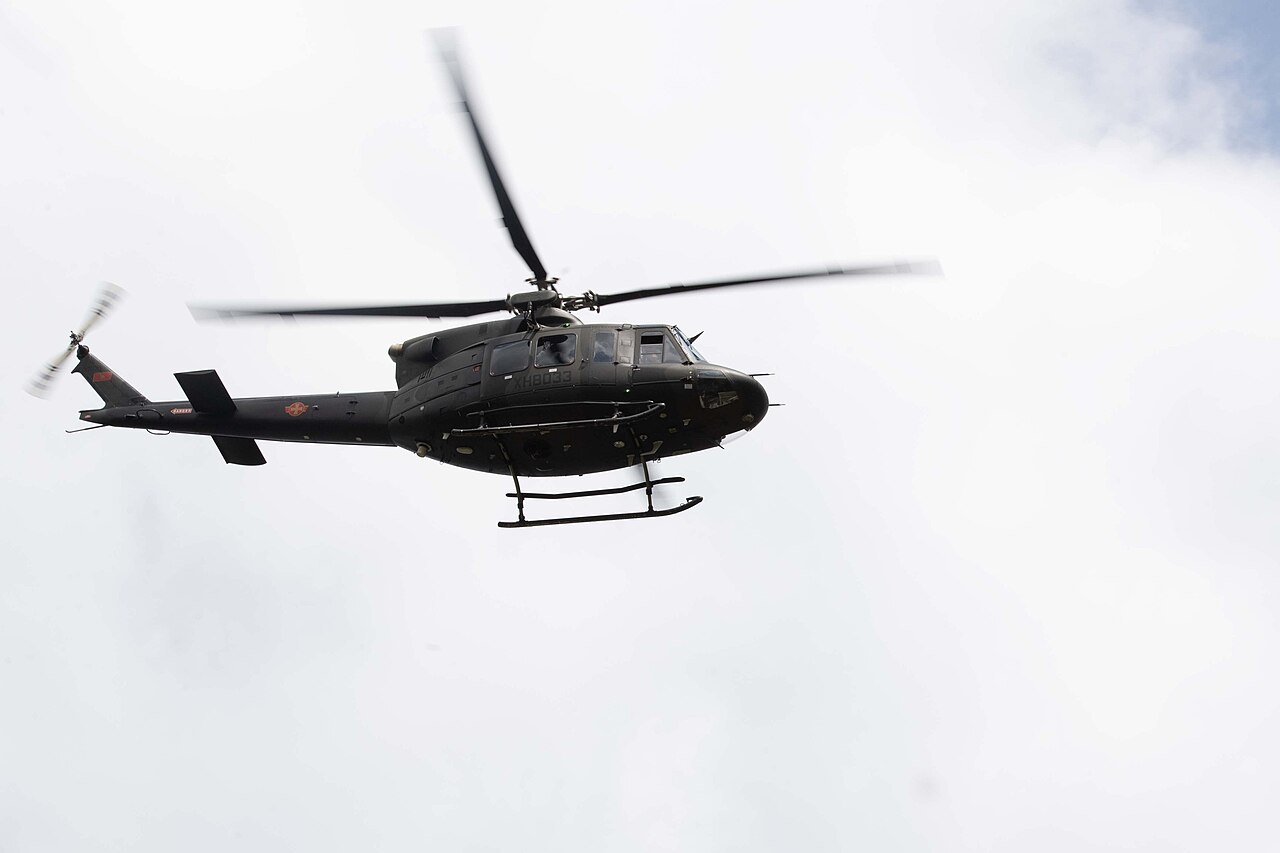
407GXi develops the Bell 407 family. The suffix is important: it denotes a specific modern version, which cannot be automatically equated with the early 407.
Bell describes the 407GXi as a versatile machine for passenger and professional tasks. Inside the family, the equipment of the cockpit and passenger compartment can vary significantly.
If the model is chosen for regular short flights, it is useful to evaluate the entire route: access to the site, landing time, weather and backup plan. The same helicopter in different configuration gives different experiences.
02 / Manufacturer data
Specifications and uses
407GXi - a modern version of the Bell 407 with a specific power plant and dashboard. It is reasonable to consider it separately from the earlier 407.
Engine
1 × Rolls-Royce 250-C47E/4
Capacity
1 pilot + 6 passengers
Maximum takeoff weight
2 268 kg
Optional 2,381 kg
Maximum cruise speed
246 km/h
Range
Up to 624 km
Bell terms and conditions, no reserve
Endurance
Up to 4 hours
No reserve
Avionics
Garmin G1000H NXi
Externally loaded mode
Up to 2,722 kg
Not for a passenger flight
Bell, current page 407GXi. Additional weight and external load require the installed equipment and the permitted configuration.
What is the GXi Index?
The GXi connects the 407 family with the updated engine and the Garmin G1000H NXi complex. This is the reason to check the full designation in the documents: the usual Bell 407 can have different avionics and parameters.
On the passenger route, the location of the seats, luggage and access to the cabin are important. Six seats can be redundant if you need fuel and equipment for the long arm on board.
Working Universality
Bell shows the 407GXi both as a passenger and as a working machine. External load refers to a separate mode, which should not be mixed with the passenger maximum mass.
The single-engine scheme imposes requirements on the route, which must be evaluated before choosing an interior or ordering additional options.