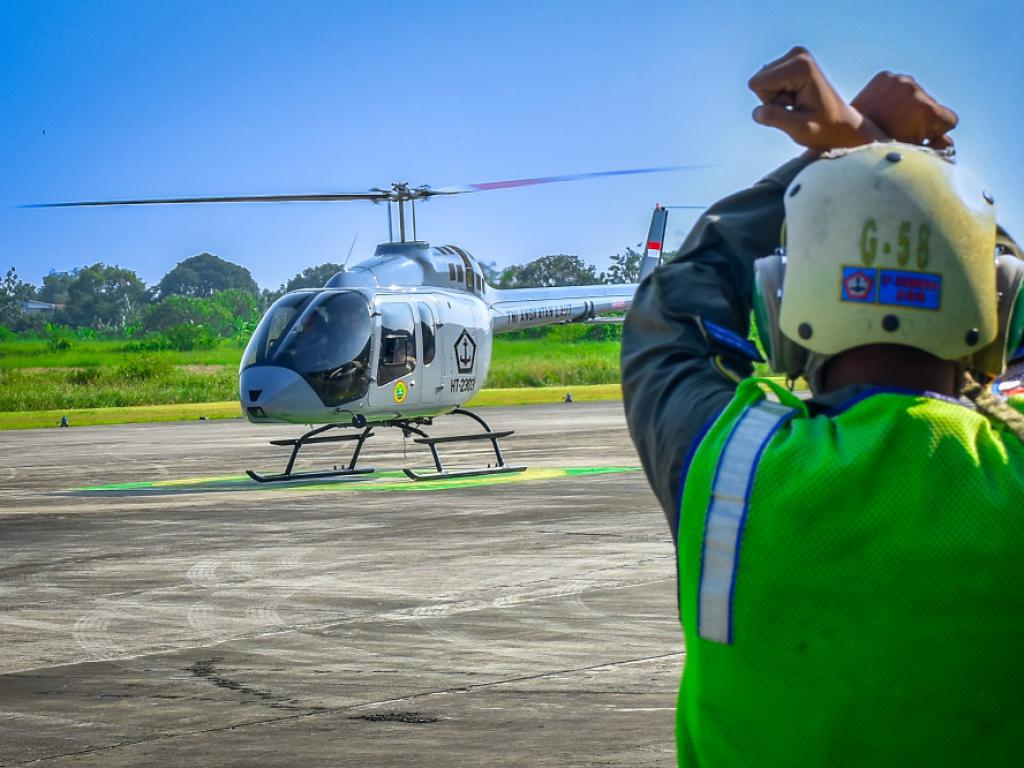
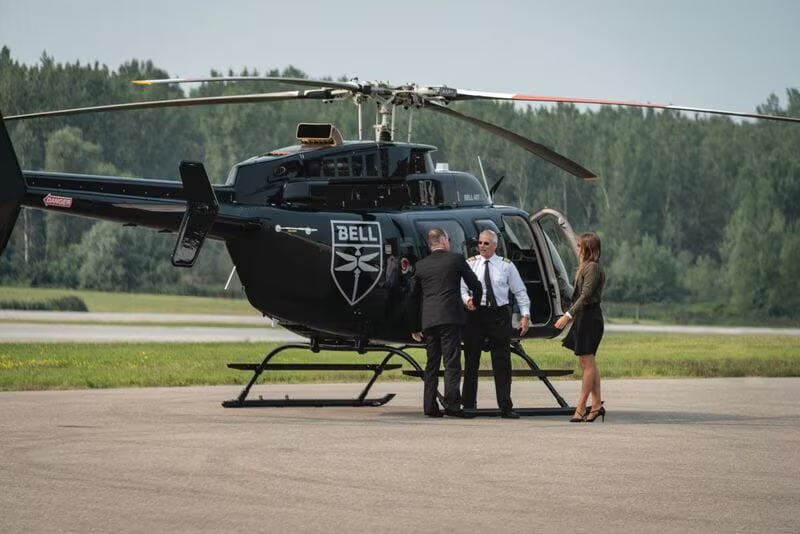
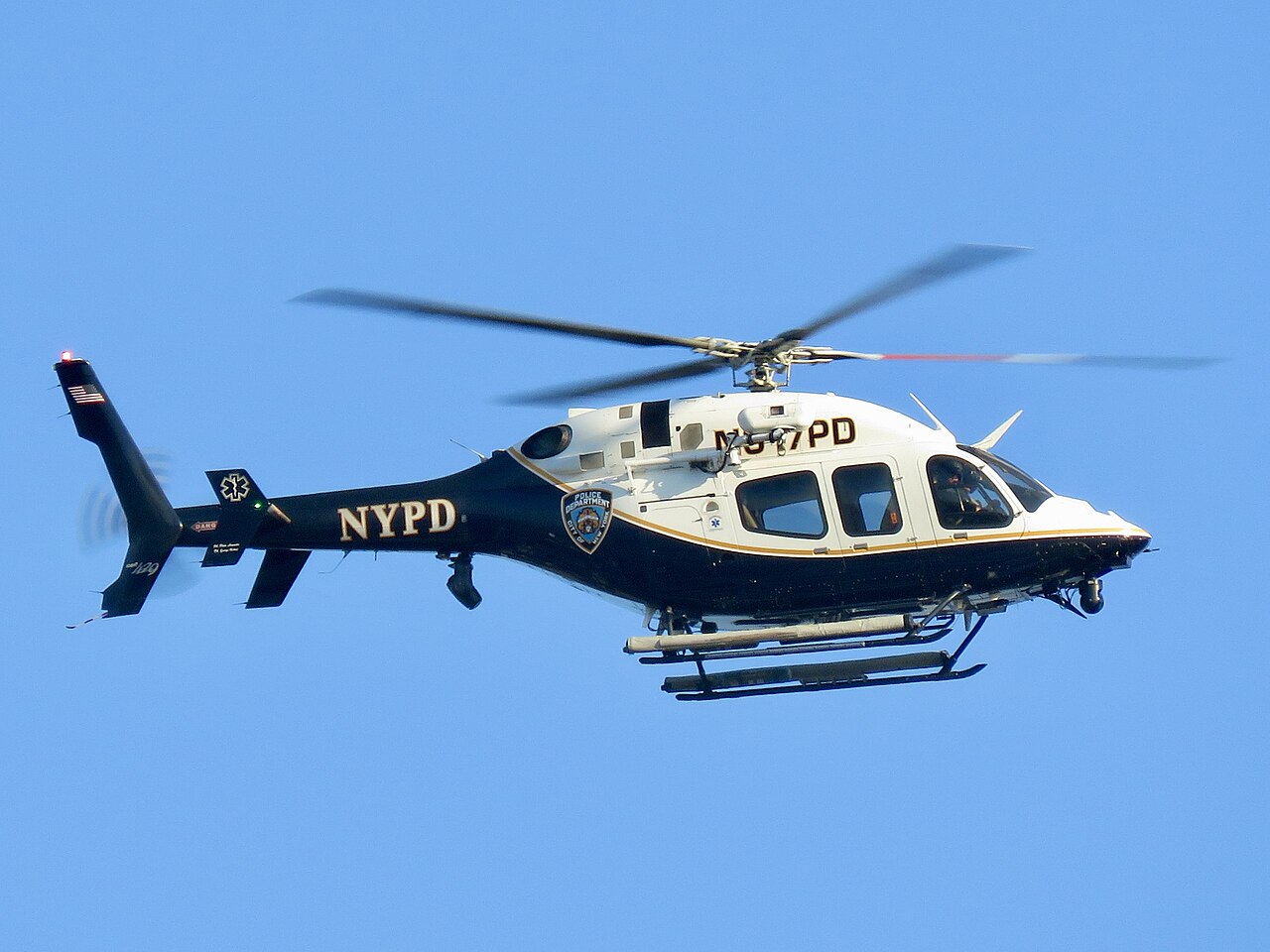
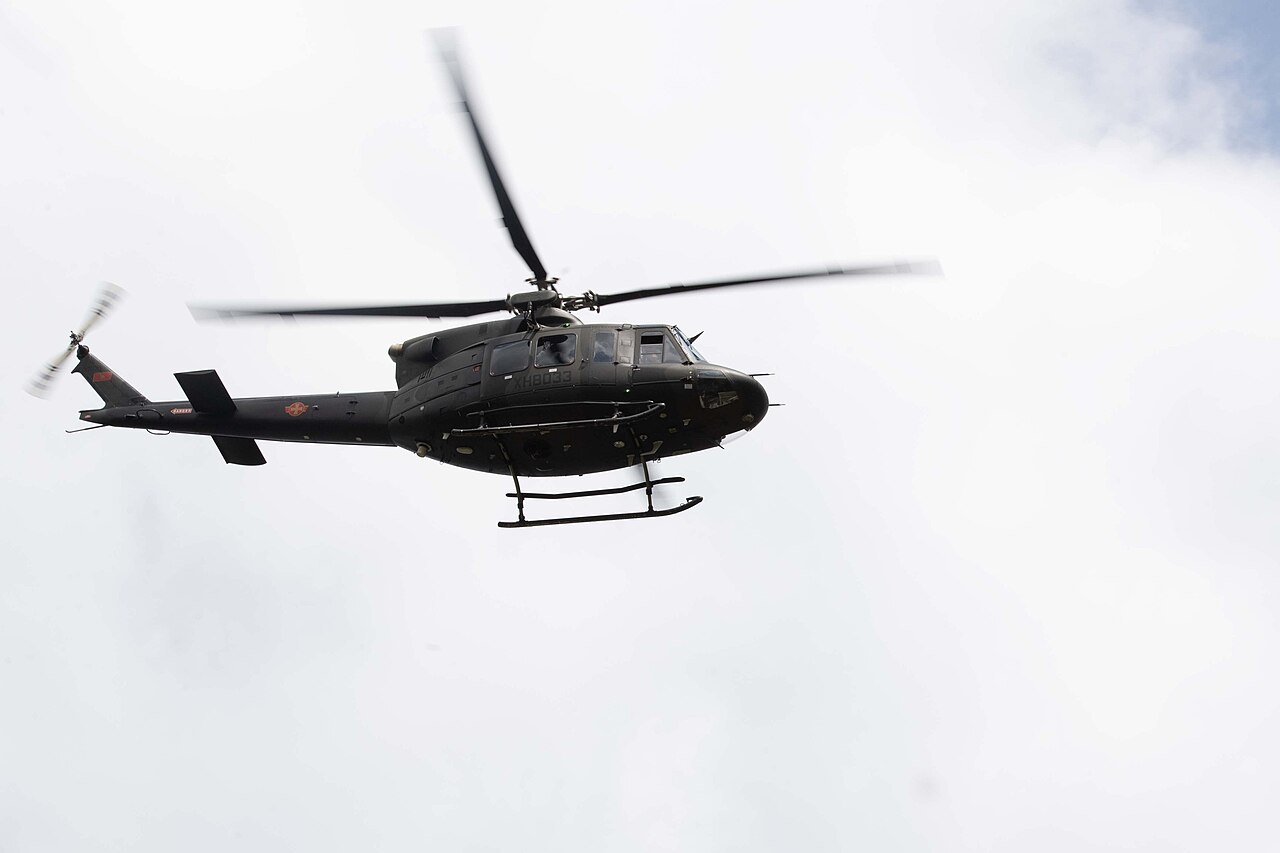
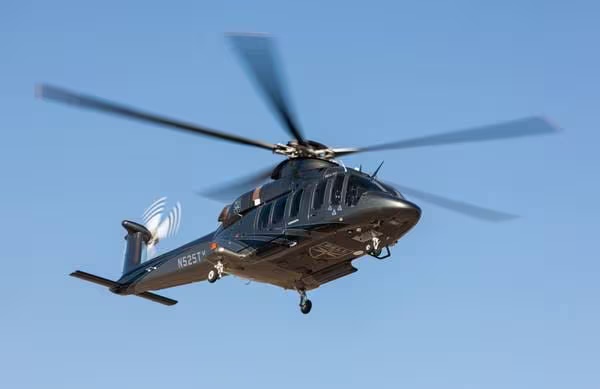
The Bell 505 Jet Ranger X is a lightweight single-engine turbine model. It is interesting to consider it as a transition from training and piston machines to another type of operation.
Bell introduces the 505 for pilot training, private flights, and special missions. The cabin is designed so that the pilot and passengers are comfortable to observe the surrounding space.
In this case, “light” does not mean equally suitable for any flight. Check the flight mode, site restrictions, luggage and rules for a single-engine car where it is planned to operate.
02 / Manufacturer data
Specifications and uses
Bell 505 Jet Ranger X - a compact turbine helicopter for acquaintance with flight, private routes and training. Its spacious glazing helps both the pilot and passengers.
Engine
1 × Safran Arrius 2R
Capacity
1 pilot + 4 passengers
Maximum takeoff weight
1 669 kg
With external load up to 2 030 kg
Maximum cruise speed
231 km/h
Range
Up to 566 km
At optimum speed, no reserve
Endurance
More than 3.9 hours
Under the manufacturer's specified regime
Avionics
Garmin G1000H
Class
Light single-engine
Bell, page 505 and technical details. The range and duration values are published for different modes and are not summarized in a single flight.
Why 505 is good for a first date
Large windows and clear organization of the cabin make the car suitable for training flight and a short private route. Modern glass cockpit Garmin G1000H helps the pilot, but requires preparation for specific equipment.
It is important for the passenger to sit in the back seats and check the view, landing, place for things and noise level. These details have a stronger effect on the impression than the maximum range in the table.
The Limit of the Light Machine
A single-engine circuit requires checking the route rules and operator requirements in advance. Four passenger seats are the maximum scheme, not the promise of full fuel and luggage on each departure.
Bell publishes the range at optimal mode and without reserve. The real trip is planned with a mandatory reserve and adjustments to wind, altitude and temperature.