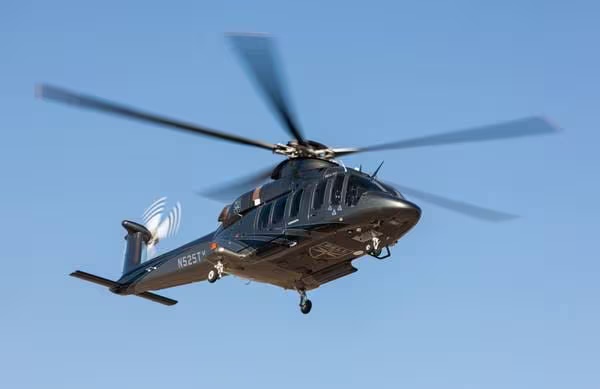
Bell 525 Relentless is designed for ultra-medium-class tasks, where the requirements for a large cabin and long work away from the base are noticeable.
The Bell 525 project should be read with reference to the status of the program at the date of publication: certification, start of deliveries and commercial availability change over time. Therefore, the card does not promise the availability of a particular board.
When comparing with existing types, it is more important to first determine the task - a passenger program, a sea voyage or a special operation - and only then refer to the confirmed specification.
02 / Manufacturer data
Specifications and uses
Bell 525 Relentless - program helicopter super-medium class. The published figures describe the project and should not be taken as parameters of the available serial board.
Status
Development program
Certification and deliveries are checked at the date of the transaction
Engines
2 × GE CT7-2F1
Standard capacity
2 pilots + 16 passengers
A dense scheme
2 + up to 20
Maximum takeoff weight
9 299 kg
Bell's preliminary data
Maximum cruise speed
296 km/h
Preliminary
Range
Up to 1,146 km
Preliminary, no reserve
Avionics
Garmin G5000H
Management
Fly-by-wire
Bell, page 525 and progress reports. These are preliminary; before the publication of the proposal, up-to-date information on certification and deliveries is needed.
Why is Bell developing 525?
The project is designed to transport a large group on long-distance routes, including marine programs. Bell focuses on cabin volume, survey, and digital flight control system.
Standard and dense schemes differ in space for each person. The corporate interior will again change the number of seats and the mass.
How to Read a Preliminary Specification
While the program is undergoing testing and certification stages, the published indicators remain the data of the project. They are useful for understanding the concept, but do not replace the approved manual of the production machine.
It is especially important not to give a range of 1,146 km for a proven commercial route. It is necessary to wait for the current certified specification and conditions of a particular operator.