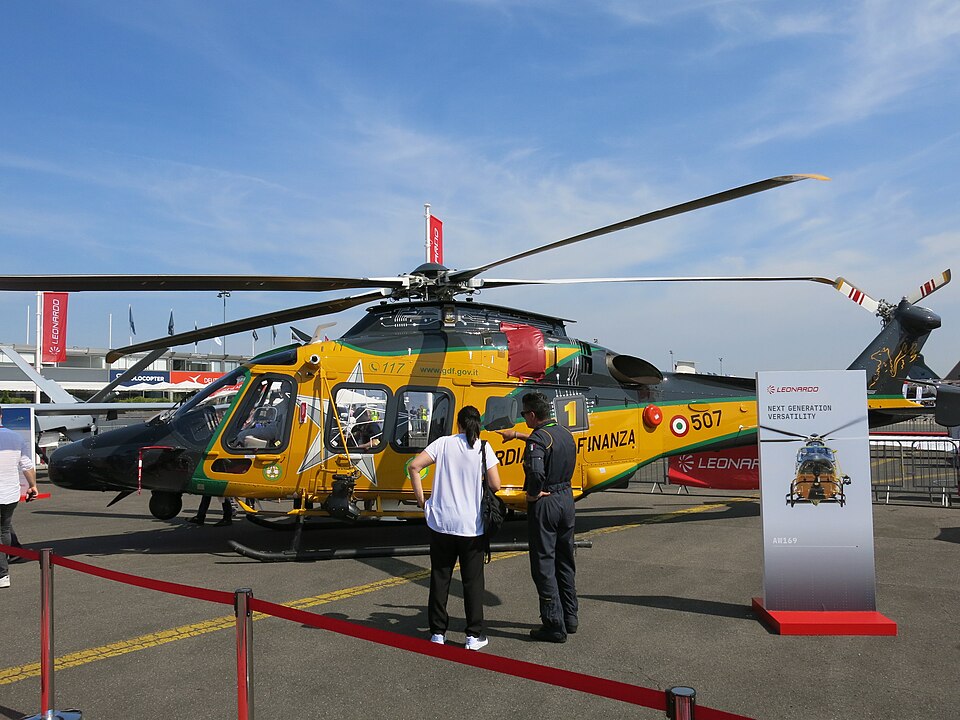
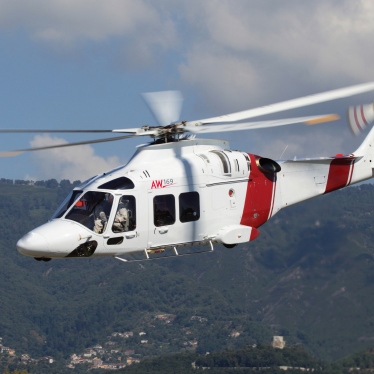
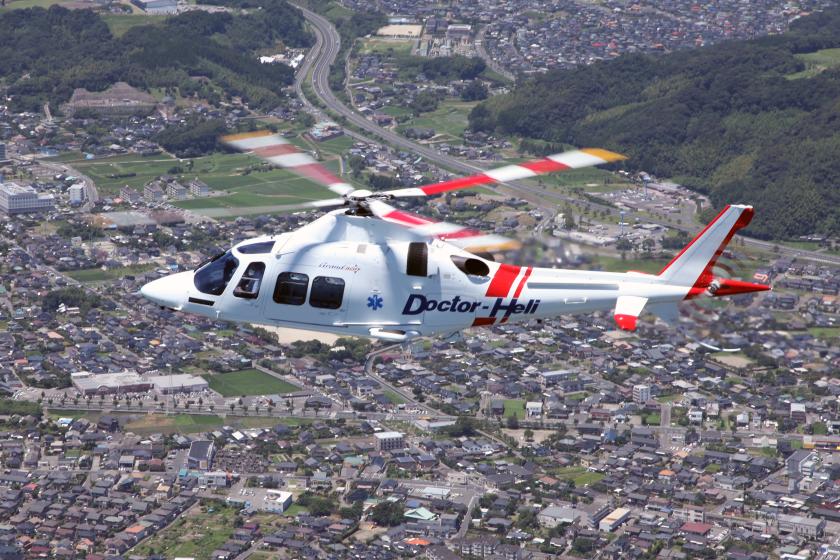
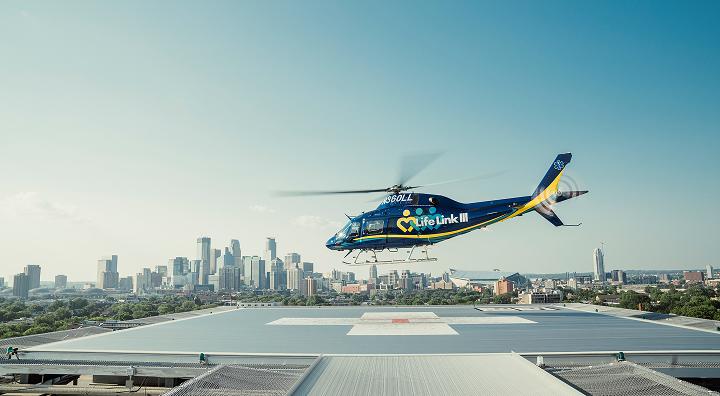
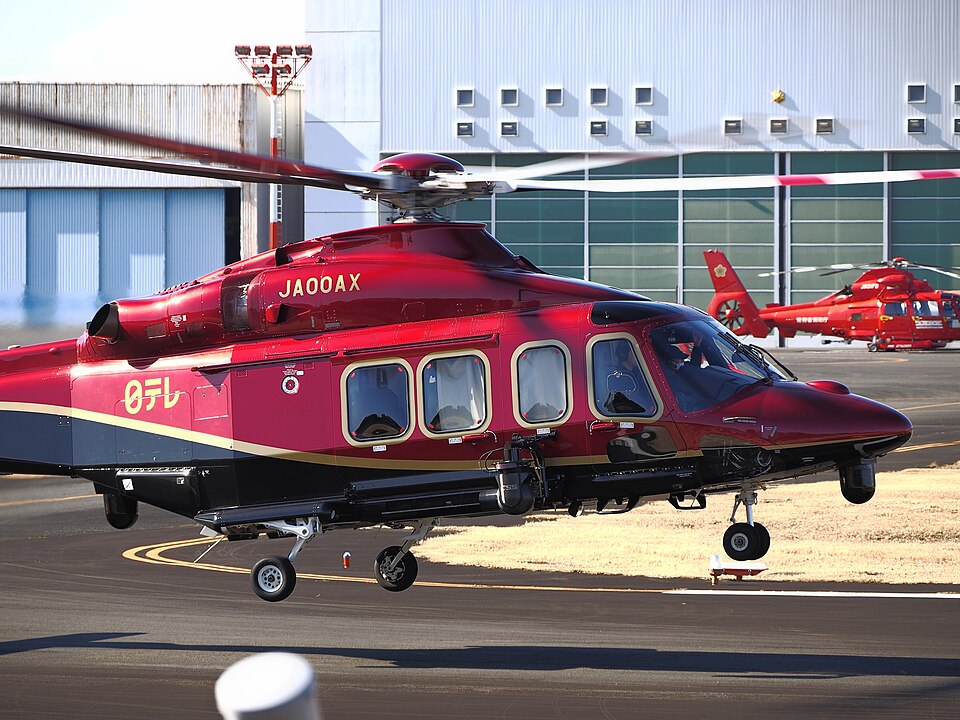
Leonardo combines the AW169 with the larger AW139 and AW189 in the overall concept of the family. For the operator, this can mean a familiar logic of transition between classes, but the parameters of specific machines should be compared separately.
Passenger, medical and special layouts solve different tasks. Even if outwardly AW169 seems a convenient compromise, the actual seats, equipment and weight on a given route are crucial.
02 / Manufacturer data
Specifications and uses
The AW169 occupies an intermediate stage between Leonardo's light and medium twin-engine helicopters. It is chosen for the combination of the cabin volume and the size of the entire car.
Engines
2 × Pratt & Whitney Canada PW210A1
Maximum takeoff weight
4 600 kg
Up to 4,800 kg with the appropriate kit
Crew and passengers
1-2 + up to 10
Maximum cruise speed
267 km/h
Range
Up to 785 km
Terms of the brochure, no reserve
Endurance
Up to 4 h 14 min
Class
Light Intermediate
Roles
Passenger, medical, special
Leonardo, Commercial Product Range. The 4,800 kg variant and maximum route figures do not automatically apply to all AW169s.
Place between AW109 and AW139
The AW169 gives more space and planning capabilities than the compact AW109, but remains smaller than the AW139. Such a position is attractive if the route requires a certain cabin without infrastructure for a larger car.
The comparison should be made by load, cabin and sites. A simple table of length or maximum speed will not show how many things are convenient to carry with people.
Flexibility and price of equipment by mass
Passenger, medical and service installations change not only the appearance of the cabin. They add mass and shift the balance on which the fuel on board depends.
If the AW169 VIP is considered, the passport numbers of the base platform serve as a guideline, and the final capacity is determined by the interior design.