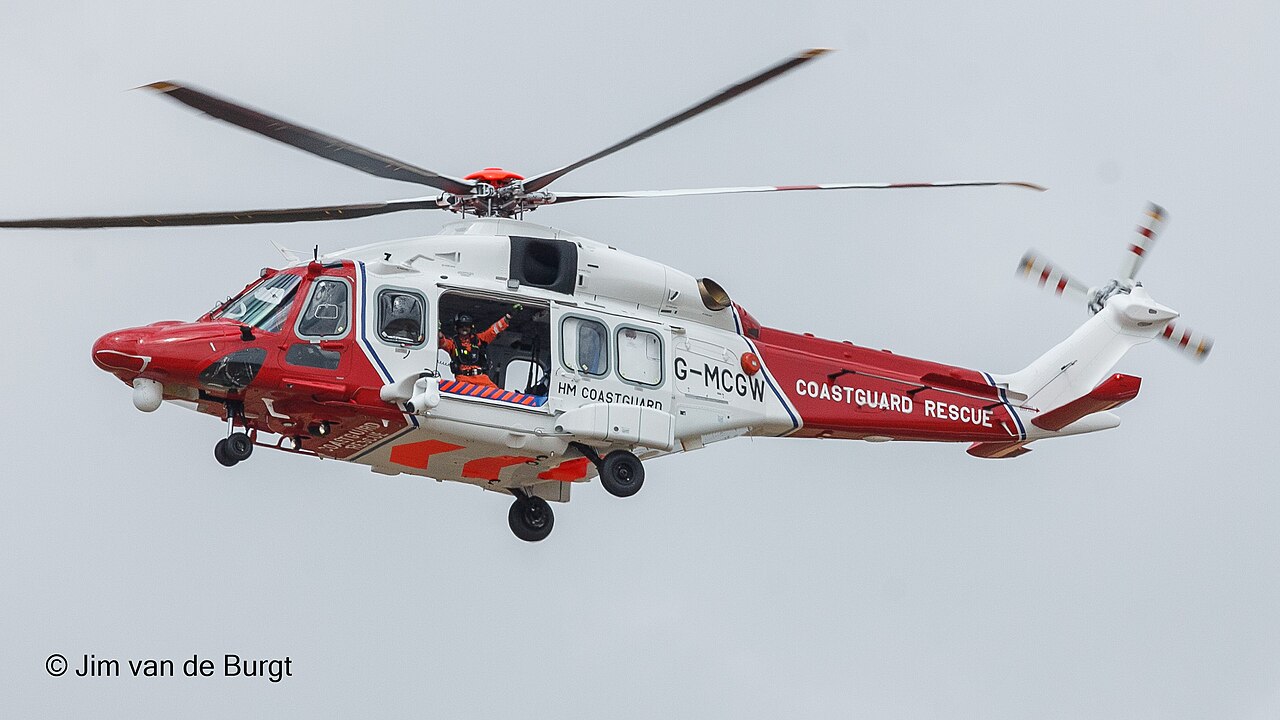
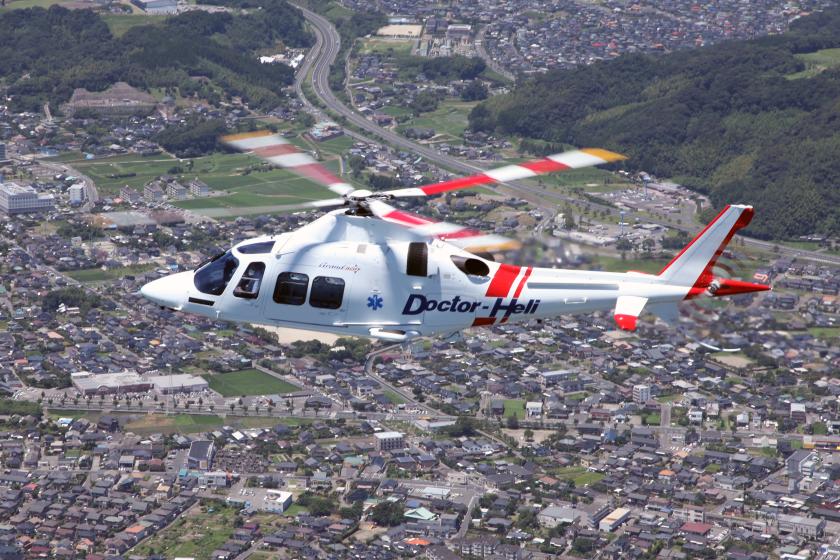
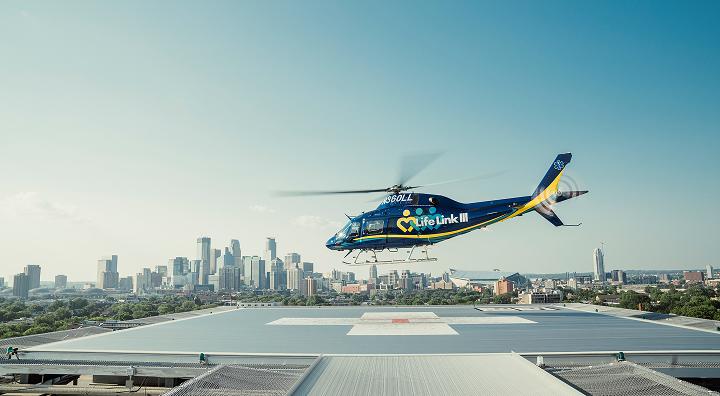
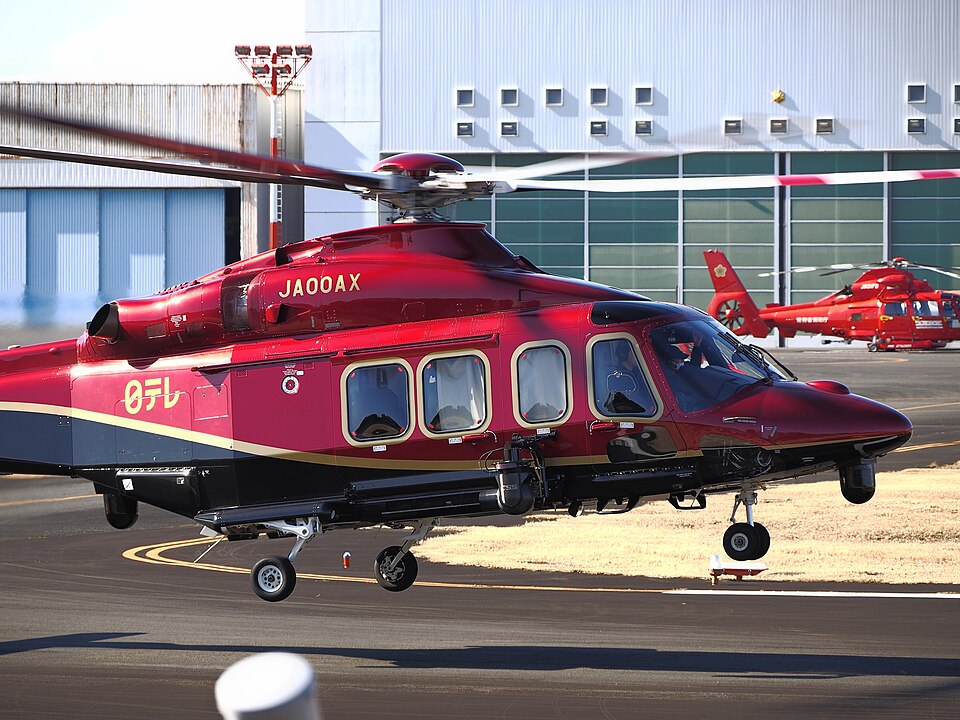
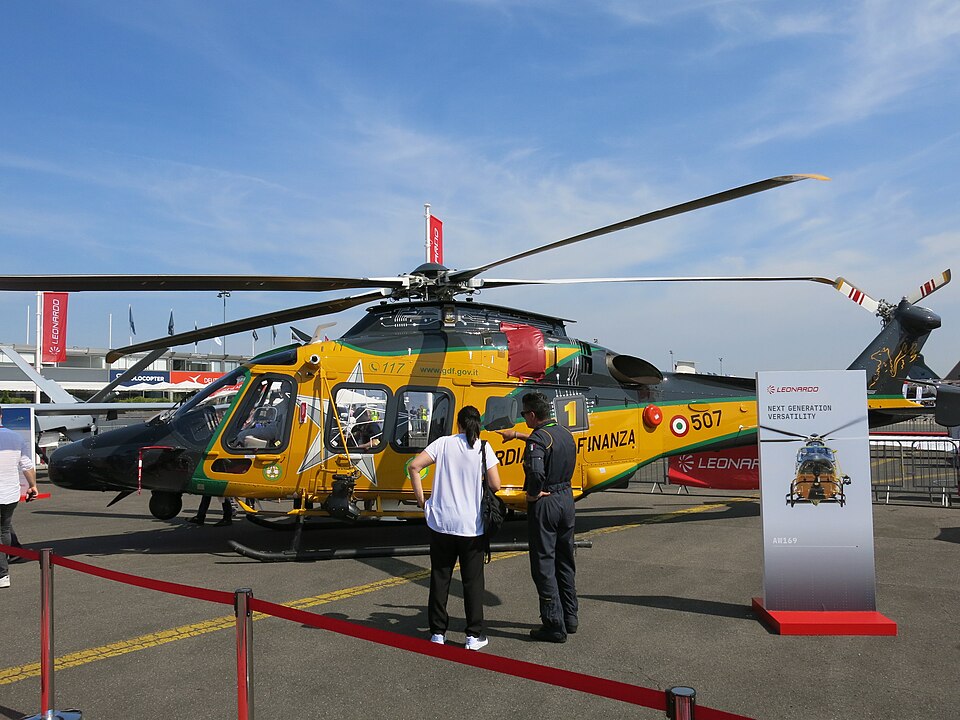
The model often features in scheduled flights to remote facilities and search-and-rescue programmes. Capacity is only part of the requirement: dependable operations also need crews, maintenance and reserve resources.
Comparing the AW189 with the AW139 using a single range figure is misleading. Capacity, equipment weight and flight conditions change the picture; start with the mission and the configuration of the individual aircraft.
02 / Manufacturer data
Specifications and uses
The AW189 belongs to Leonardo’s higher-capacity class. Its strength is scheduled transport of people and equipment on demanding routes requiring a comprehensive operating programme.
Engines
2 × GE CT7-2E1
Maximum takeoff weight
8 300 kg
Optionally up to 8,600 kg
Crew and passengers
1–2 + up to 19
Maximum cruise speed
294 km/h
Range
Up to 1,043 km
With an additional tank, excluding reserves
Endurance
Up to 5 h 15 min
Auxiliary unit
eAPU
For powering systems on the ground
Class
Super-medium
Leonardo, Commercial Product Range. Range figures depend on additional fuel and do not automatically apply with the maximum number of passengers.
A helicopter for scheduled operations
The AW189 is often considered for offshore transport and specialised services. In these conditions, the priority is reliable repeated operations rather than a single record flight: crew changes, available maintenance and a reserve aircraft.
A nineteen-passenger cabin is a high-density arrangement. A private or specialised configuration may have considerably fewer seats.
The aircraft on the ground
Leonardo’s AW189 materials mention an eAPU, an auxiliary electric power unit. It supplies systems on the ground without running the main engines, which is particularly valuable during intensive operations.
Check whether this and other options are fitted to the individual aircraft. An identical AW189 designation does not guarantee an identical equipment package.